
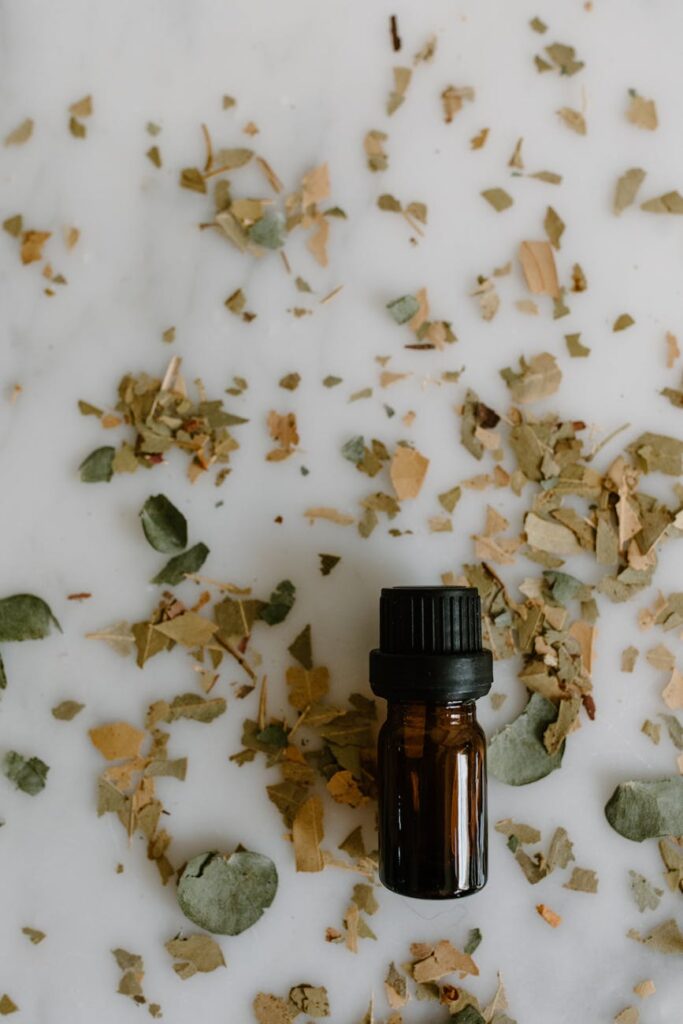
Benefits of Herbal Stress-Relieving Aromatherapy Blends
Introduction
In today’s fast-paced world, stress has become a common experience for many individuals. As a response, alternative therapies such as aromatherapy have gained popularity, particularly the use of herbal blends that promote relaxation and stress relief. Herbal stress-relieving aromatherapy blends harness the natural properties of various plants and essential oils to create harmonious scents that can enhance emotional well-being. This article explores the essence of these blends, their benefits, common applications, and safe handling practices.
What Is Herbal Stress-Relieving Aromatherapy Blends?
Herbal stress-relieving aromatherapy blends are mixtures of essential oils derived from plants, flowers, and herbs specifically formulated to alleviate stress and promote relaxation. These blends can contain single essential oils or a combination of several oils, each contributing its unique aroma and therapeutic properties. Common essential oils used in these blends include lavender, chamomile, bergamot, and sandalwood, among others.
The act of inhaling these aromatic compounds engages the olfactory system, which directly influences mood and emotional states. The therapeutic benefits of these blends are often attributed to the synergistic effects of the various oils combined, which can enhance their individual properties.
Key Benefits and Properties
1. Reduction of Stress and Anxiety
One of the primary benefits of herbal stress-relieving aromatherapy blends is their ability to reduce feelings of stress and anxiety. Specific oils like lavender and chamomile are known for their calming properties, which can help lower cortisol levels, the hormone associated with stress.
2. Enhanced Mood
The uplifting scents of certain essential oils can boost mood and promote feelings of happiness. Citrus oils like bergamot and sweet orange are often included in blends for their invigorating and cheerful aroma, stimulating the release of serotonin, the “feel-good” hormone.
3. Improved Sleep Quality
Many herbal blends are designed to promote relaxation, making them beneficial for individuals struggling with insomnia or disrupted sleep patterns. Oils such as lavender and valerian root have sedative qualities that can encourage a more restful night’s sleep.
4. Mental Clarity and Focus
Certain blends can enhance mental clarity and focus, countering the effects of stress that often cloud judgment and concentration. Essential oils like rosemary and peppermint are commonly used for their cognitive-enhancing properties.
5. Physical Relaxation
Many herbal aromatherapy blends can help alleviate physical tension in the body. Oils such as eucalyptus and marjoram provide soothing effects that may ease muscle tension, promoting overall physical relaxation.
Common Uses
Herbal stress-relieving aromatherapy blends can be utilized in various ways to enhance their effects. Here are some common applications:
1. Diffusion
Using an essential oil diffuser is one of the most popular methods for dispersing herbal blends into the air. This method allows the fragrance to fill a room, creating a calming atmosphere.
2. Topical Application
When diluted with a carrier oil, herbal blends can be applied directly to the skin. This method can target specific areas of tension, such as the neck or shoulders, allowing the therapeutic properties to penetrate deeper into the muscles and tissues.
3. Baths
Adding herbal blends to bathwater can create a soothing and aromatic experience. The warmth of the water helps to release the essential oils, enhancing relaxation and promoting a sense of calm.
4. Inhalation
Direct inhalation is a quick way to experience the benefits of herbal blends. This can be done by placing a few drops on a tissue or cotton ball and inhaling deeply.
5. Massage
Incorporating herbal blends into massage oils can enhance relaxation during a massage session. The combination of touch and aroma can significantly amplify the stress-relieving effects.
Aromatherapy Applications
Aromatherapy can be integrated into various aspects of daily life, making it accessible for stress relief:
1. Home Environment
Creating a calming home environment using diffusers, candles, or potpourri can help in reducing ambient stress. Consider blending different oils to suit the mood you wish to create.
2. Workplace
Incorporating herbal blends into the workplace can enhance productivity and reduce stress among employees. Diffusers or personal inhalers can be utilized discreetly in an office setting.
3. Travel
Travel can often induce stress, whether due to long journeys or unfamiliar environments. Carrying a personal inhaler or a small bottle of your favorite herbal blend can provide comfort during travels.
4. Yoga and Meditation
Integrating herbal aromatherapy into yoga or meditation practices can deepen relaxation and enhance the overall experience. Using calming scents during these practices can help in achieving mental clarity and relaxation.
Safety Considerations
While herbal stress-relieving aromatherapy blends are generally safe for use, there are several important considerations to keep in mind:
1. Dilution
Essential oils are highly concentrated and should be diluted with a carrier oil, such as coconut or jojoba oil, before applying to the skin. This helps prevent irritation and sensitization.
2. Patch Testing
Before using a new essential oil blend, it is advisable to conduct a patch test by applying a small amount to a discreet area of the skin. This helps identify any allergic reactions or sensitivities.
3. Pregnancy and Nursing
Certain essential oils may not be safe for use during pregnancy or nursing. It’s important to consult with a qualified professional for guidance on safe oils.
4. Children and Pets
Some essential oils can be harmful to children and pets. Always research the safety of specific oils before use in households with children or animals.
5. Quality of Oils
When selecting essential oils, it is crucial to choose high-quality, pure oils. Look for reputable brands that provide information about their sourcing and testing processes.
Storage and Shelf Life
To maintain the efficacy of herbal stress-relieving aromatherapy blends, proper storage is essential:
1. Cool, Dark Place
Essential oils should be stored in a cool, dark place, away from direct sunlight and heat. This helps preserve their potency and prevents degradation.
2. Sealed Containers
Always keep essential oils in tightly sealed containers to minimize exposure to air, which can lead to oxidation.
3. Shelf Life
The shelf life of essential oils can vary, typically ranging from 1 to 5 years, depending on the type of oil. Citrus oils may have a shorter shelf life, while oils like patchouli and sandalwood can last longer.
Frequently Asked Questions
1. What are the best essential oils for stress relief?
Popular essential oils for stress relief include lavender, bergamot, chamomile, eucalyptus, and frankincense. Each has unique properties that promote relaxation and emotional balance.
2. Can I create my own herbal blends?
Yes, many individuals enjoy creating their own herbal blends. Experimenting with different combinations can help you find scents that resonate with you and provide desired effects.
3. How often can I use aromatherapy?
Aromatherapy can be used daily and is often incorporated into routines for relaxation, meditation, or self-care. Listen to your body and adjust usage based on your personal needs and responses.
4. Are there any side effects?
While aromatherapy is generally safe, some individuals may experience allergic reactions or skin sensitivities. Always conduct a patch test and discontinue use if any irritation occurs.
5. How do I choose a quality essential oil?
Look for essential oils that are 100% pure and sourced from reputable companies. Transparency in sourcing, testing, and production methods is essential for ensuring quality.
Conclusion
Herbal stress-relieving aromatherapy blends offer a natural and effective way to enhance emotional well-being and promote relaxation. By understanding the benefits, applications, and safety considerations associated with these blends, individuals can explore the world of aromatherapy with confidence. Whether used in daily routines, therapeutic practices, or simply for enjoyment, these herbal blends can be a valuable addition to one’s holistic approach to managing stress and promoting a balanced lifestyle.