
Benefits of Herbal Syrups
Introduction
Herbal syrups have gained popularity in recent years as a natural remedy and culinary delight. These concentrated liquid preparations harness the therapeutic properties of various herbs, providing an array of benefits for both health and pleasure. This article will explore the concept of herbal syrups, their benefits, common uses, and various applications in aromatherapy, along with safety considerations and storage tips.
What Is Herbal Syrups?
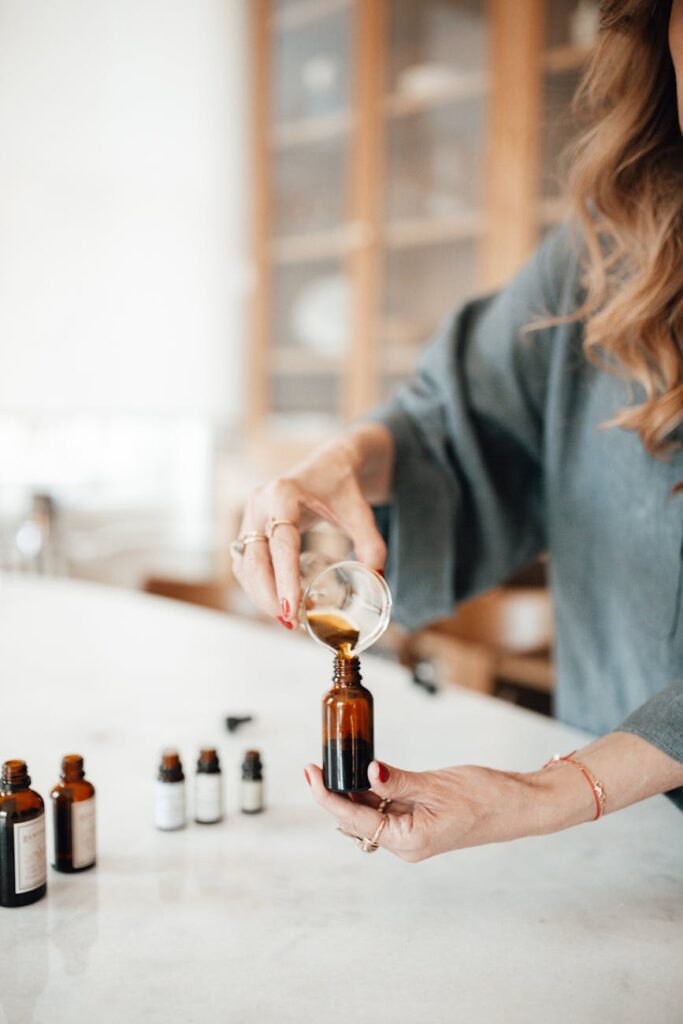
Herbal syrups are viscous liquids made by extracting the essence of herbs, often combined with a sweetening agent, such as sugar or honey. The extraction process typically involves steeping the chosen herbs in water to create an infusion, which is then sweetened and sometimes preserved with additional ingredients. Herbal syrups can be made from a wide variety of plants, including flowers, leaves, seeds, and roots, each contributing its unique flavor and potential health benefits.
The syrup’s consistency allows for easy incorporation into various culinary applications, such as beverages, desserts, or even as a topping for pancakes and waffles. Beyond their culinary appeal, herbal syrups can also serve as a means to harness the therapeutic properties of herbs in a more palatable form.
Key Benefits and Properties
Nutritional Value
Many herbal syrups contain vitamins, minerals, and antioxidants derived from the herbs used in their preparation. For example, elderberry syrup is known for its rich vitamin C content, which can support immune health.
Flavor Enhancement
Herbal syrups can enhance the taste of food and beverages, adding a unique flavor profile that can range from sweet to tangy or spicy, depending on the herbs used. This makes them a popular choice for mixologists and home cooks alike.
Digestive Support
Certain herbs, such as ginger and peppermint, are known for their digestive properties. When combined into a syrup, these herbs can be consumed in a more enjoyable and accessible manner, potentially promoting digestive health.
Antioxidant Properties
Many herbs used in syrups possess antioxidant properties that may help combat oxidative stress in the body. Ingredients like hibiscus and thyme are rich in antioxidants, which can contribute to overall wellness.
Immune Boosting
Herbal syrups like elderberry and echinacea have gained recognition for their potential immune-boosting properties. While individual responses may vary, these syrups are often consumed during cold and flu seasons.
Common Uses
Culinary Applications
Herbal syrups are versatile ingredients in the kitchen. They can be used in various ways, including:
- Beverages: Adding herbal syrup to teas, cocktails, or lemonades can create refreshing and flavorful drinks.
- Desserts: Drizzling syrup over ice cream, yogurt, or pancakes enhances sweetness and adds complexity to desserts.
- Marinades and Dressings: Herbal syrups can serve as a base for marinades or salad dressings, infusing dishes with unique flavors.
- Cool, Dark Place: Herbal syrups should be stored in a cool, dark place, such as a pantry or cupboard, away from direct sunlight.
- Refrigeration: After opening, many herbal syrups benefit from refrigeration to prolong their freshness and prevent spoilage.
Natural Remedies
While not a substitute for medical treatments, herbal syrups are often used as part of a holistic approach to wellness. They may be consumed for their potential soothing effects on sore throats, coughs, or digestive discomfort.
Gifts and Personal Care
Herbal syrups can also be packaged beautifully, making them thoughtful gifts. Additionally, some individuals use them in homemade personal care products, such as lip balms or body scrubs, leveraging the beneficial properties of the herbs.
Aromatherapy Applications
Herbal syrups can play a role in aromatherapy, primarily through the use of their scent. While they are not typically used in diffusers or as essential oils, their aromatic properties can enhance the overall experience of a therapeutic session. The scent of herbal syrups can evoke emotions, create ambiance, and promote relaxation.
Synergy with Essential Oils
Incorporating herbal syrups into aromatherapy practices can also involve blending them with essential oils. For example, lemon balm syrup can be combined with lavender essential oil in a diffuser to create a calming atmosphere. The combination of the herbal scent and the therapeutic properties of essential oils can enhance the overall benefits of a session.
Safety Considerations
While herbal syrups are generally safe for most people when used appropriately, several safety considerations should be kept in mind:
Allergies
Individuals should be aware of any allergies they may have to specific herbs. It is advisable to read ingredient labels carefully and consult with a healthcare professional if there are any concerns.
Quality of Ingredients
The quality of the herbs and sweeteners used in herbal syrups can vary. Opting for organic, high-quality ingredients can help ensure the syrup’s efficacy and safety.
Dosage
While herbal syrups can be consumed in moderation, excessive consumption may lead to unwanted side effects. It is best to start with small amounts and monitor individual responses.
Pregnancy and Nursing
Pregnant or nursing individuals should exercise caution and seek advice from a healthcare provider before incorporating new herbal products into their diet.
Storage and Shelf Life
Proper storage of herbal syrups can extend their shelf life and maintain their quality. Here are some key considerations:
Storage Conditions
Shelf Life
The shelf life of herbal syrups can vary depending on the ingredients used and how they are prepared. Generally, homemade herbal syrups can last for several months when stored properly, while commercially prepared syrups may have a longer shelf life due to preservatives.
Signs of Spoilage
Signs that an herbal syrup may have spoiled include off-odors, changes in color, or the presence of mold. If any of these signs are observed, it is best to discard the syrup.
Frequently Asked Questions
1. Can herbal syrups be made at home?
Yes, herbal syrups can be easily made at home using fresh or dried herbs, water, and a sweetening agent. There are numerous recipes available that cater to various tastes and purposes.
2. Are herbal syrups safe for children?
While many herbal syrups are safe for children, it is important to consult a healthcare professional for guidance on appropriate herbs and dosages for younger individuals.
3. How do I choose the right herbal syrup for my needs?
Choosing the right herbal syrup depends on personal preferences and desired benefits. Researching the properties of various herbs can help guide your decision.
4. Can herbal syrups be used in baking?
Yes, herbal syrups can be used in baking to add flavor and moisture to cakes, cookies, and other baked goods.
5. Do herbal syrups have a specific shelf life?
Shelf life can vary depending on the type of syrup and how it is stored. Generally, homemade syrups can last for several months, while commercially prepared ones may last longer due to preservatives.
Conclusion
Herbal syrups represent a fascinating intersection of culinary delight and potential therapeutic benefits. With their rich flavors and diverse applications, they offer a natural way to incorporate the goodness of herbs into daily life. Whether used in cooking, as a natural remedy, or even in aromatherapy, herbal syrups provide a versatile addition to the wellness toolkit. As with any natural product, it is essential to approach their use thoughtfully and with awareness of individual needs and safety considerations.