
Benefits of Hibiscus Extract
Introduction
Hibiscus, a genus of flowering plants in the family Malvaceae, is renowned for its strikingly beautiful blooms and vibrant colors. While the flowers are often celebrated for their aesthetic appeal, hibiscus also holds a prominent place in traditional and modern herbal practices. Extracts derived from the hibiscus plant, particularly from its petals and calyxes, are increasingly gaining recognition for their diverse benefits and applications. This article explores hibiscus extract in depth, highlighting its properties, uses, and considerations for those interested in incorporating it into their lives.
What Is Hibiscus Extract?
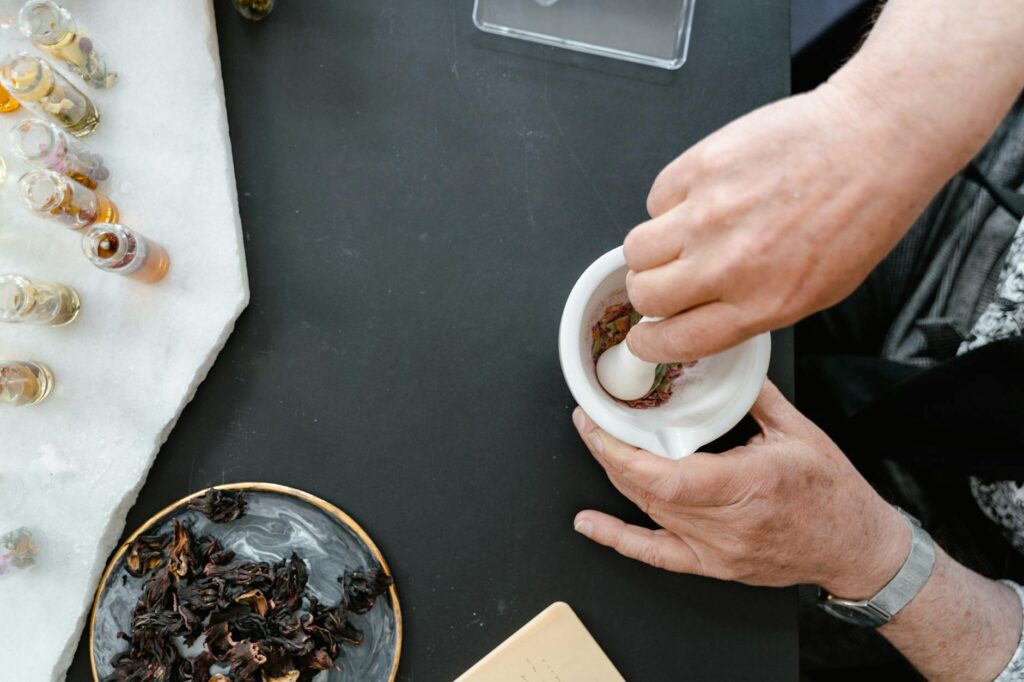
Hibiscus extract is typically derived from the dried petals and calyxes of the hibiscus flower, specifically from species like Hibiscus sabdariffa (commonly known as Roselle). The extraction process involves using solvents such as water, alcohol, or glycerin to draw out the beneficial compounds found in the plant. These compounds include flavonoids, organic acids, and antioxidants, which are largely responsible for the extract’s properties.
Hibiscus extract is available in various forms, including liquid extracts, powders, and capsules, making it accessible for different applications. Its rich red color and tart flavor profile have made it a popular ingredient in food and beverages, particularly in teas and herbal infusions.
Key Benefits and Properties
Antioxidant Properties
One of the most notable features of hibiscus extract is its high antioxidant content. Antioxidants are compounds that neutralize free radicals in the body, which can cause oxidative stress and lead to various chronic diseases. The presence of anthocyanins, a type of flavonoid, gives hibiscus its vibrant color and contributes to its antioxidant capacity.
Anti-inflammatory Effects
Research suggests that hibiscus extract may possess anti-inflammatory properties, which can help reduce inflammation in the body. This is particularly relevant in the context of chronic conditions where inflammation plays a significant role. The extract may help in modulating inflammatory responses, although further studies are needed to fully understand its mechanisms.
Heart Health
Hibiscus extract has been studied for its potential effects on cardiovascular health. Some research indicates that hibiscus may help lower blood pressure and improve cholesterol levels, contributing to overall heart health. However, these findings should be interpreted with caution and require further investigation.
Skin Benefits
The antioxidants and vitamins found in hibiscus extract may also be beneficial for skin health. It has been used in various skincare products for its potential to promote hydration, elasticity, and overall skin appearance. The extract’s natural acids may also assist in exfoliation, making it a popular ingredient in facial formulations.
Digestive Support
Traditionally, hibiscus has been used to support digestive health. The extract may help promote regularity and alleviate digestive discomfort, although more research is needed to establish its efficacy in this area.
Common Uses
Hibiscus extract’s versatility allows for a variety of applications across different domains:
Culinary Uses
Hibiscus extract is commonly used in beverages such as herbal teas, cocktails, and smoothies, where its tart flavor and vibrant color can enhance both taste and visual appeal. Additionally, it can be incorporated into jams, jellies, and sauces.
Skincare Products
The extract is a popular ingredient in skincare formulations, including creams, serums, and masks. Its potential benefits for hydration and skin elasticity make it sought after in beauty products.
Nutritional Supplements
Hibiscus extract is available in capsule or powder form, often marketed as a dietary supplement. It can be taken alone or blended with other herbal extracts for synergistic effects.
Aromatherapy Applications
In the realm of aromatherapy, hibiscus extract may be less commonly used than essential oils, but it can still play a role in creating relaxing and uplifting environments. The extract itself has a subtle floral scent that can contribute to a calming atmosphere. Here are some ways to incorporate hibiscus into your aromatherapy practices:
Diffusion
Hibiscus extract can be added to a diffuser along with essential oils to create a soothing ambiance. Its floral notes can blend well with citrus or woody essential oils, offering a unique aromatic experience.
Bath Products
Adding hibiscus extract to bath oils or salts can enhance the sensory experience of a bath. The combination of warmth, fragrance, and potential skin benefits can provide a holistic approach to relaxation.
Massage Oils
Incorporating hibiscus extract into massage oils can add a nourishing element, benefiting the skin while also providing a pleasant aroma during the massage.
Safety Considerations
While hibiscus extract is generally considered safe for most individuals when used appropriately, there are several safety considerations to keep in mind:
Allergies
Individuals sensitive to hibiscus or related plants should avoid using hibiscus extract. It’s advisable to conduct a patch test for topical applications to ensure no allergic reactions occur.
Pregnancy and Lactation
Due to limited research on the effects of hibiscus extract during pregnancy and lactation, it is recommended that pregnant or nursing individuals consult with a healthcare provider before use.
Drug Interactions
Hibiscus may interact with certain medications, particularly those that affect blood pressure or blood sugar levels. Consulting with a healthcare professional is advisable if you are on medication and considering the use of hibiscus extract.
Storage and Shelf Life
To maintain the potency and efficacy of hibiscus extract, proper storage is essential. Here are some guidelines:
- Cool, Dark Place: Store hibiscus extract away from direct sunlight and heat sources to prevent degradation of its beneficial compounds.
- Sealed Containers: Ensure that the extract is stored in airtight containers to minimize exposure to moisture and air.
- Shelf Life: While the specific shelf life can vary depending on the form and storage conditions, it’s generally best to use hibiscus extract within one to two years of purchase for optimal quality.
Frequently Asked Questions
1. Can hibiscus extract be consumed daily?
While many people incorporate hibiscus extract into their daily routines, moderation is key. It’s advisable to start with small amounts and observe how your body responds.
2. Is hibiscus extract suitable for everyone?
While hibiscus extract is widely regarded as safe, individuals with specific health conditions, allergies, or who are pregnant or nursing should consult with a healthcare provider before use.
3. How can I use hibiscus extract in my skincare routine?
Hibiscus extract can be added to creams, serums, or masks. Ensure to follow product guidelines and conduct a patch test to check for sensitivity.
4. Are there any side effects associated with hibiscus extract?
Though generally safe, some individuals may experience digestive upset or allergic reactions. If you notice any adverse effects, discontinue use and consult a healthcare professional.
5. Where can I purchase hibiscus extract?
Hibiscus extract is available through health food stores, online retailers, and specialty herbal shops. Always choose high-quality products from reputable sources to ensure efficacy and safety.
Conclusion
Hibiscus extract is a remarkable botanical extract that offers a multitude of potential benefits, from antioxidant properties to applications in culinary and skincare practices. While research continues to explore its full range of effects, hibiscus extract remains a popular choice for those seeking natural alternatives to enhance their health and well-being. As with any herbal extract, it is essential to use hibiscus extract responsibly and with awareness of individual health considerations.