
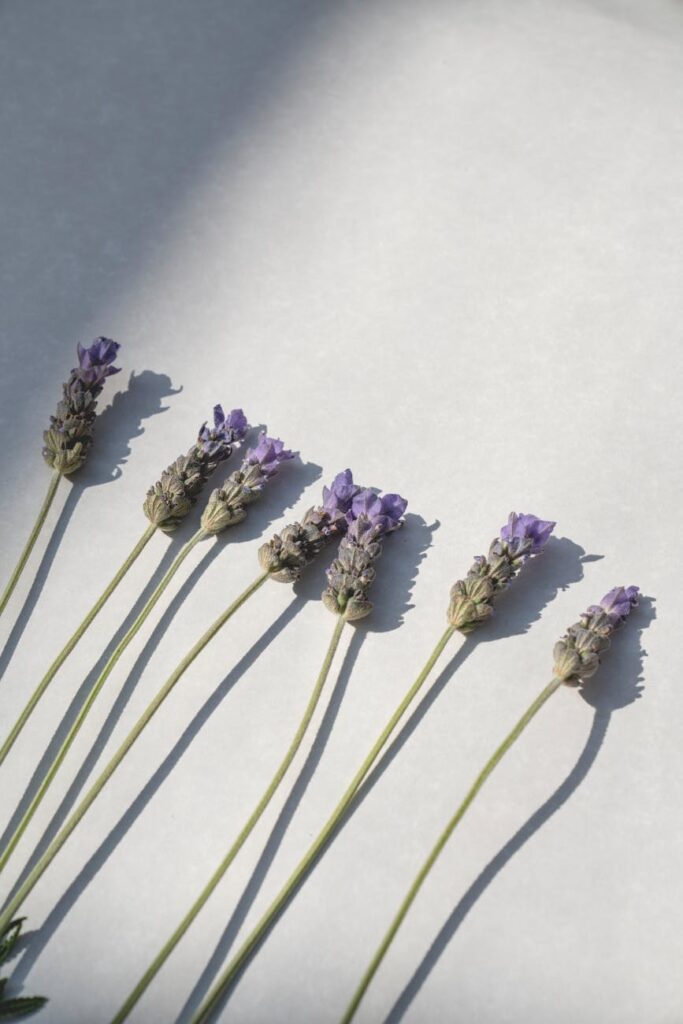
Benefits of Hydrosols
Introduction
Hydrosols, also known as flower waters or herbal distillates, are aromatic waters produced during the steam distillation process of essential oils. Unlike essential oils, which are concentrated extracts, hydrosols contain a more diluted form of the plant’s properties. While they may not carry the same potency as essential oils, hydrosols offer a variety of benefits that make them valuable in aromatherapy, skincare, and holistic health practices. This article delves into the nature of hydrosols, their benefits, uses, and safety considerations.
What Is Hydrosols?
Hydrosols are the byproduct of the steam distillation of plant materials, such as flowers, leaves, or herbs. During this process, steam passes through the plant, capturing volatile compounds. As the steam cools, it condenses back into water, resulting in two products: essential oil and hydrosol. The hydrosol contains water-soluble compounds, trace amounts of essential oils, and other constituents that may not be present in the essential oil itself.
The composition of hydrosols can vary significantly depending on the plant source, the distillation method, and the time of year when the plant is harvested. Common hydrosols include rose, lavender, chamomile, and peppermint, each with unique aromatic profiles and properties.
Key Benefits and Properties
Hydrosols are known for their gentler nature compared to essential oils, making them suitable for a wider range of applications. Some key benefits and properties of hydrosols include:
1. Mildly Aromatic: Hydrosols have a pleasant scent that is less intense than essential oils, making them suitable for those who may be sensitive to strong fragrances.
2. Hydrating: The water content of hydrosols can help hydrate the skin and provide a refreshing sensation, making them ideal for use in facial sprays or toners.
3. Soothing Properties: Many hydrosols possess calming properties that can help alleviate minor skin irritations or discomfort.
4. Antimicrobial Effects: Some hydrosols have demonstrated antimicrobial properties, making them beneficial for cleansing and purifying the skin.
5. Emotional Support: The aromatic qualities of hydrosols can provide emotional benefits, promoting relaxation and reducing stress when used in various applications.
Common Uses
Hydrosols have a myriad of uses that span across beauty, wellness, and household applications. Here are some common uses:
1. Facial Toners: Hydrosols can be used as natural facial toners to refresh and hydrate the skin. They help balance the skin’s pH and can be particularly beneficial for sensitive or acne-prone skin.
2. Body Sprays: Used as a body spray, hydrosols provide a light fragrance and can help cool and soothe the skin, especially in hot weather.
3. Hair Care: Hydrosols can be incorporated into hair care routines to add moisture, enhance shine, and soothe the scalp.
4. Home Fragrance: Hydrosols can be used in diffusers or as room sprays to create a pleasant atmosphere at home.
5. Bath Additive: Adding hydrosols to bathwater can create a luxurious and aromatic bathing experience.
6. Compresses: Soaked in a cloth, hydrosols can be applied as compresses to soothe minor irritations or discomforts.
Aromatherapy Applications
In the realm of aromatherapy, hydrosols serve as a gentle alternative to essential oils. Their therapeutic properties can be harnessed through various applications:
1. Inhalation: Hydrosols can be inhaled directly or used in steam inhalation to promote relaxation and relieve stress.
2. Massage: Diluted hydrosols can be incorporated into massage oils, enhancing the experience with their soothing scents.
3. Meditation: Spraying hydrosols in a meditation space can enhance the environment, promoting a sense of tranquility and mindfulness.
4. Yoga: Hydrosols can be used to refresh and invigorate during yoga practices, helping to ground and center practitioners.
Safety Considerations
Although hydrosols are generally considered safe for most uses, it is essential to take some precautions:
1. Patch Test: Before applying a hydrosol to the skin, especially for the first time, it is advisable to conduct a patch test to check for any allergic reactions or sensitivities.
2. Dilution: While hydrosols are milder than essential oils, it’s still important to dilute them appropriately for certain applications, particularly in sensitive areas.
3. Quality: Always choose high-quality, pure hydrosols from reputable sources. Some products may be diluted with water or contain additives that can diminish their properties.
4. Storage: Proper storage is crucial to maintaining the integrity of hydrosols, which will be discussed in the next section.
Storage and Shelf Life
The shelf life of hydrosols can vary based on the plant source and storage conditions. Generally, hydrosols should be stored in cool, dark places, away from direct sunlight and heat. Here are some storage tips:
1. Containers: Use glass containers for storage, as plastic may interact with the hydrosol over time.
2. Refrigeration: Some hydrosols benefit from refrigeration, which can extend their shelf life and preserve their aroma and properties.
3. Expiration: Most hydrosols have a shelf life of 1 to 3 years. Always check for any signs of spoilage, such as changes in color, odor, or clarity.
4. Preservatives: Some hydrosols may contain natural preservatives like alcohol or vegetable glycerin, which can help prolong their shelf life.
Frequently Asked Questions
What is the difference between hydrosols and essential oils?
Hydrosols are the water-based byproducts of the distillation process used to create essential oils. While essential oils are concentrated extracts of plant materials, hydrosols contain water-soluble compounds and a lower concentration of aromatic constituents.
Can hydrosols be used for cooking?
While some hydrosols are safe for culinary use, such as rose or orange blossom water, it is essential to ensure that the hydrosol is food-grade and free from additives. Always refer to specific guidelines for culinary applications.
Are hydrosols safe for children and pets?
Generally, hydrosols are considered safe for children and pets due to their milder nature. However, it is advisable to consult with a knowledgeable practitioner or specialist, particularly for sensitive individuals.
How should I choose a hydrosol?
When selecting a hydrosol, look for high-quality products from reputable sources. Check for purity, organic certification, and any additional ingredients that may affect its properties.
Can hydrosols be used in skincare products?
Yes, hydrosols are commonly used in skincare formulations due to their hydrating and soothing properties. They can be incorporated into creams, lotions, or used as standalone products.
Conclusion
Hydrosols offer a versatile and gentle alternative to essential oils, making them suitable for a wide range of applications in aromatherapy, skincare, and holistic practices. Their unique properties and benefits, coupled with a variety of uses, make them valuable additions to any wellness routine. By understanding their characteristics, benefits, and safe usage, individuals can fully appreciate the aromatic world of hydrosols.