
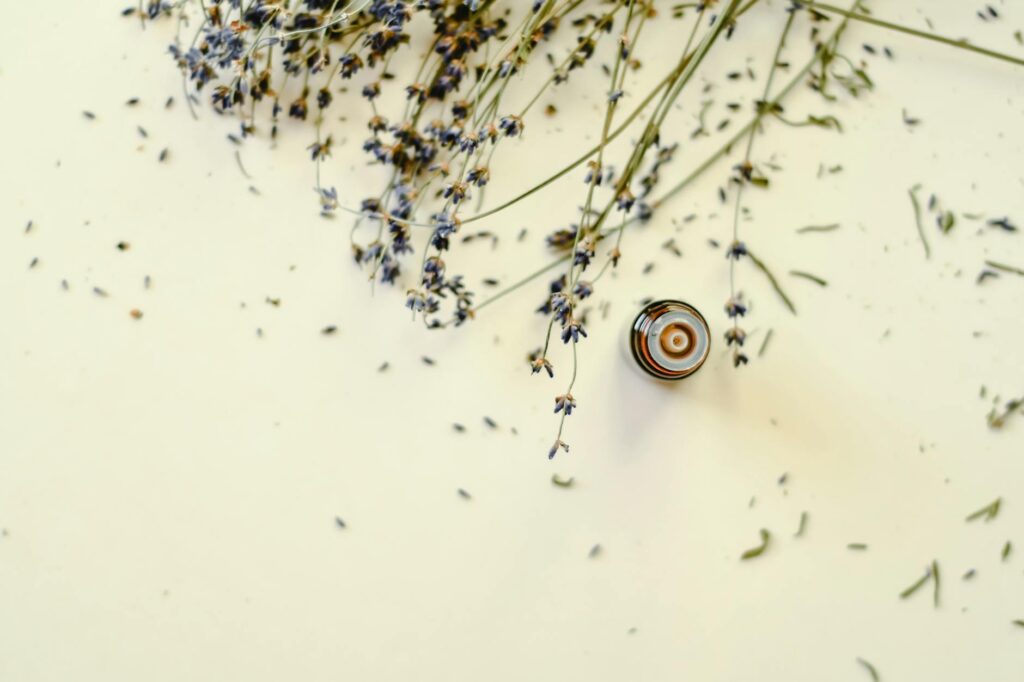
Benefits of Lavender Essential Oil
Introduction
Lavender essential oil, derived from the flowers of the lavender plant (Lavandula angustifolia), has been cherished for centuries for its delightful fragrance and diverse therapeutic properties. Known for its calming and soothing effects, lavender oil is one of the most versatile and widely used essential oils in aromatherapy, cosmetics, and holistic practices. This article delves into the multifaceted benefits and applications of lavender essential oil, providing a comprehensive overview for those interested in its uses and properties.
What Is Lavender Essential Oil?
Lavender essential oil is extracted through steam distillation of the flower spikes of the lavender plant. This process captures the plant’s volatile compounds, resulting in a highly concentrated oil that embodies the characteristic floral aroma associated with lavender. The oil is typically clear to pale yellow in color and possesses a sweet, herbaceous scent that is both refreshing and relaxing.
Lavender has a long history of use, dating back to ancient Rome, where it was used in baths and as a perfume. Its name is derived from the Latin word “lavare,” meaning “to wash,” highlighting its historical connection to cleanliness and purification.
Key Benefits and Properties
Lavender essential oil is renowned for several beneficial properties that contribute to its popularity:
1. Calming and Relaxing
One of the most well-known benefits of lavender essential oil is its calming effect on the mind and body. Studies suggest that the scent of lavender can help reduce feelings of anxiety and promote relaxation, making it a popular choice for those seeking to alleviate stress.
2. Sleep Aid
Lavender is often used to improve sleep quality and combat insomnia. Its soothing aroma has been shown to help people fall asleep faster and enhance overall sleep quality. Many individuals incorporate lavender oil into their bedtime routines, using it in diffusers or applying it topically to promote restful sleep.
3. Antimicrobial Properties
Lavender essential oil possesses natural antimicrobial properties, making it effective against certain types of bacteria and fungi. This quality has led to its incorporation in various personal care products, such as soaps and skin care formulations, where it can help maintain cleanliness and hygiene.
4. Anti-Inflammatory
Research indicates that lavender oil may have anti-inflammatory effects, which can be beneficial in soothing minor skin irritations and promoting skin health. Its natural compounds may help reduce redness and swelling, making it a suitable option for topical applications.
5. Pain Relief
Lavender essential oil has been traditionally used for its analgesic properties. It may help alleviate headaches, muscle tension, and minor aches when used in massage or aromatherapy, contributing to an overall sense of well-being.
6. Mood Enhancement
The uplifting scent of lavender can have a positive impact on mood. Inhaling lavender oil may help elevate feelings of happiness and contentment, making it a popular choice for emotional support during challenging times.
Common Uses
Lavender essential oil can be utilized in various ways, each method complementing its healing properties:
1. Aromatherapy
Inhalation of lavender oil through diffusers, steam inhalation, or simply adding a few drops to a cotton ball can help create a calming atmosphere. This method is widely used for stress relief, relaxation, and sleep enhancement.
2. Topical Application
Lavender oil can be diluted with a carrier oil, such as coconut or jojoba oil, and applied to the skin. This method is often used to soothe minor burns, insect bites, and skin irritations. However, it is essential to perform a patch test to avoid potential allergic reactions.
3. Bathing
Adding a few drops of lavender essential oil to bathwater can create a soothing and aromatic experience. This practice can help relax the muscles and promote a tranquil state of mind.
4. Household Cleaner
Due to its antimicrobial properties, lavender oil can be incorporated into homemade cleaning products. Mixing it with vinegar or baking soda can create effective natural cleaners that also impart a pleasant fragrance.
5. Hair Care
Lavender essential oil can be added to shampoos and conditioners for its potential to promote a healthy scalp and reduce dandruff. Its calming scent can also enhance the overall hair care experience.
Aromatherapy Applications
Aromatherapy is the practice of using essential oils to enhance physical and psychological well-being. Lavender essential oil is a staple in this field due to its versatility. Here are some common applications:
1. Stress Relief
To alleviate feelings of stress, a few drops of lavender oil can be added to a diffuser and inhaled. Alternatively, a personal inhaler can be created by placing a few drops on a cotton pad and inhaling as needed.
2. Sleep Enhancement
For better sleep, one can place a few drops of lavender oil on their pillow or use a diffuser in the bedroom before bedtime. Some people also find it helpful to mix lavender oil with a carrier oil and massage it onto pulse points.
3. Meditation and Yoga
Incorporating lavender oil into meditation or yoga practices can enhance relaxation and mindfulness. Diffusing the oil during sessions can create a serene environment conducive to deeper focus and tranquility.
Safety Considerations
While lavender essential oil is generally considered safe for most individuals, certain precautions should be observed:
1. Dilution
Essential oils are highly concentrated and should be diluted with a carrier oil before topical application. A common dilution ratio is 2-3 drops of essential oil per teaspoon of carrier oil.
2. Allergies
Before using lavender oil on the skin, conduct a patch test to check for any allergic reactions. Apply a diluted drop on a small area of skin and monitor for any signs of irritation.
3. Pregnancy and Nursing
Pregnant or nursing women should consult a healthcare professional before using lavender essential oil, as its effects during these periods are not fully understood.
4. Children and Pets
Consult a healthcare provider before using lavender essential oil around young children or pets. While it can be safe in low concentrations, some animals may be sensitive to essential oils.
Storage and Shelf Life
To maintain the quality and efficacy of lavender essential oil, proper storage is essential. Here are some tips:
1. Store in Dark Glass Bottles
Keep lavender essential oil in dark glass bottles to protect it from light, which can degrade its quality over time.
2. Cool, Dry Place
Store the oil in a cool, dry place away from direct sunlight and heat sources. High temperatures can alter the chemical composition of the oil.
3. Shelf Life
When stored properly, lavender essential oil can last for 3-5 years. However, it’s advisable to check for any changes in smell or consistency before use, as these may indicate degradation.
Frequently Asked Questions
1. Can lavender essential oil be ingested?
Lavender essential oil is not generally recommended for ingestion unless under the guidance of a qualified healthcare professional due to potential toxicity and side effects.
2. Is lavender essential oil safe for children?
Lavender essential oil can be used for children, but it should be diluted and used with caution. Always consult a healthcare provider for specific recommendations.
3. Can lavender oil cause skin irritation?
While many people use lavender oil without issue, it can cause skin irritation in some individuals. Always perform a patch test before applying it topically.
4. How can I use lavender essential oil for headaches?
Lavender oil can be used for headache relief by diluting it with a carrier oil and massaging it onto the temples or applying it to a cold compress.
5. What should I look for when buying lavender essential oil?
When purchasing lavender essential oil, look for high-quality, pure oil that is labeled as “100% pure” and free from additives or synthetic ingredients. Checking for certification can also be beneficial.
Conclusion
Lavender essential oil is a remarkable natural remedy with a rich history and a multitude of benefits. Its calming and soothing properties make it a staple in aromatherapy, personal care, and household applications. By understanding its uses and potential, individuals can effectively incorporate lavender essential oil into their wellness routines, promoting relaxation, emotional balance, and overall well-being. As with any essential oil, it is essential to approach its use with care and awareness, ensuring a safe and beneficial experience.