
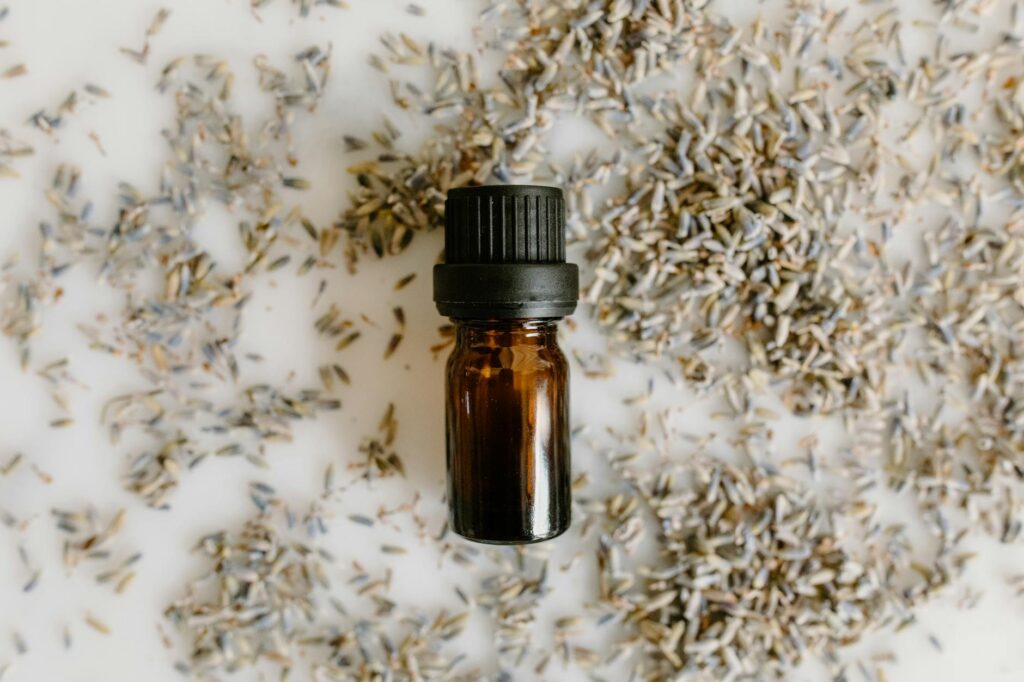
Benefits of Lavender Extract
Introduction
Lavender, scientifically known as Lavandula angustifolia, is a flowering plant belonging to the mint family, Lamiaceae. Celebrated for its aromatic properties and historical significance, lavender has been utilized for centuries in various cultures. The extract derived from its flowers is particularly prized in the realms of aromatherapy and natural wellness. This article delves into the myriad benefits of lavender extract, exploring its properties, common uses, and applications in aromatherapy.
What Is Lavender Extract?
Lavender extract is derived from the flowers of the lavender plant through various extraction methods, including steam distillation and solvent extraction. The resulting product captures the plant’s essential oils, which contain a complex mixture of active compounds, including linalool, linalyl acetate, and camphor.
These components contribute to the distinct aroma and therapeutic properties associated with lavender. The extract can be found in various forms, including essential oil, tinctures, and infused oils, each varying in concentration and application.
Key Benefits and Properties
Lavender extract is renowned for its numerous beneficial properties, which are primarily attributed to its chemical composition. Some of the key benefits include:
1. Calming and Relaxation
One of the most well-documented properties of lavender extract is its ability to promote relaxation. Studies suggest that inhaling lavender aroma can reduce tension and anxiety, making it a popular choice for stress relief.
2. Sleep Aid
Lavender is often associated with improved sleep quality. Its calming effects help to create a serene atmosphere conducive to restful sleep. Many people use lavender extract in their bedtime routines to enhance relaxation and encourage a deeper sleep.
3. Antimicrobial Properties
Lavender extract exhibits antimicrobial activity against a range of bacteria and fungi. This makes it a valuable addition to natural formulations aimed at skin care and hygiene.
4. Anti-inflammatory Effects
The anti-inflammatory properties of lavender extract can help soothe minor skin irritations and inflammation. It is often included in topical applications for its calming effects on the skin.
5. Mood Enhancement
In addition to its calming properties, lavender extract is believed to have mood-enhancing effects. It can help alleviate feelings of sadness and promote a sense of well-being.
6. Skin Care Benefits
Lavender extract is commonly used in skincare formulations due to its soothing properties. It may assist in reducing redness, blemishes, and other skin irritations, making it a popular ingredient in creams, lotions, and serums.
Common Uses
Lavender extract is versatile and can be found in numerous products and applications, including:
1. Aromatherapy
Lavender essential oil is widely used in diffusers, candles, and inhalers for its calming aroma.
2. Personal Care Products
Lavender is a popular ingredient in shampoos, conditioners, soaps, and lotions due to its pleasant scent and skin-soothing properties.
3. Household Products
Many people incorporate lavender extract into homemade cleaning products, air fresheners, and laundry detergents for its natural fragrance and antimicrobial properties.
4. Culinary Uses
Culinary lavender, often derived from the same plant, can be used in teas, desserts, and savory dishes, adding a unique floral flavor.
Aromatherapy Applications
In aromatherapy, lavender extract is highly valued for its therapeutic benefits. Some common applications include:
1. Diffusion
Using a diffuser to disperse lavender essential oil into the air can create a calming environment. This method is particularly effective in bedrooms or relaxation spaces.
2. Inhalation
Direct inhalation of lavender oil from the bottle or a cotton ball can provide immediate relief from stress and anxiety.
3. Massage
Lavender extract can be diluted with a carrier oil and used in massage. The soothing aroma combined with gentle pressure can enhance relaxation and promote emotional well-being.
4. Bathing
Adding lavender extract to bathwater can create a tranquil bathing experience. The warm water helps to release the aroma, allowing for a sensory experience that promotes relaxation.
Safety Considerations
While lavender extract is generally considered safe for most people, there are important safety considerations to keep in mind:
1. Skin Sensitivity
Some individuals may experience skin irritation when applying lavender extract topically. A patch test is recommended before widespread use.
2. Allergies
People with known allergies to lavender or other plants in the Lamiaceae family should avoid lavender extract.
3. Pregnant and Nursing Women
Pregnant or nursing women should consult a healthcare professional before using lavender extract in any form, as safety during these periods has not been fully established.
4. Drug Interactions
Lavender extract may interact with certain medications, particularly those that affect the central nervous system. Consultation with a healthcare provider is advisable for individuals taking such medications.
Storage and Shelf Life
To maintain the quality of lavender extract, proper storage is essential:
1. Storage Conditions
Lavender extract should be stored in a cool, dark place away from direct sunlight. This helps to prevent degradation of the essential oils.
2. Container
It is best to keep lavender extract in dark glass bottles to protect it from light exposure, which can reduce its efficacy.
3. Shelf Life
Generally, lavender extract can last from 1 to 3 years, depending on how it is stored. Essential oils, in particular, may become less potent over time, so it’s advisable to check for changes in aroma or consistency before use.
Frequently Asked Questions
1. How can I use lavender extract for relaxation?
Lavender extract can be used in a diffuser, added to bathwater, or applied topically (when diluted with a carrier oil) for its relaxing effects.
2. Is lavender extract safe for children?
While lavender extract is generally safe for children, it is advisable to consult a healthcare provider for specific recommendations and appropriate dosages.
3. Can I ingest lavender extract?
While culinary lavender is safe for consumption, essential oils should not be ingested unless specifically labeled for internal use and under professional guidance.
4. Does lavender extract have any side effects?
Some individuals may experience allergic reactions or skin irritation. It is recommended to perform a patch test before widespread use.
5. Can lavender extract help with headaches?
Many people use lavender extract due to its calming properties, which may help alleviate tension-related headaches when inhaled or applied topically.
Conclusion
Lavender extract is a versatile and beneficial ingredient that has found a place in various applications, from aromatherapy to skincare. Its calming properties, coupled with a range of other benefits, make it a valuable addition to natural wellness practices. As with any natural product, it is essential to use lavender extract responsibly, taking into consideration individual sensitivities and preferences. Whether used for relaxation, skin care, or simply to enjoy its delightful aroma, lavender extract continues to be cherished for its multifaceted qualities.