
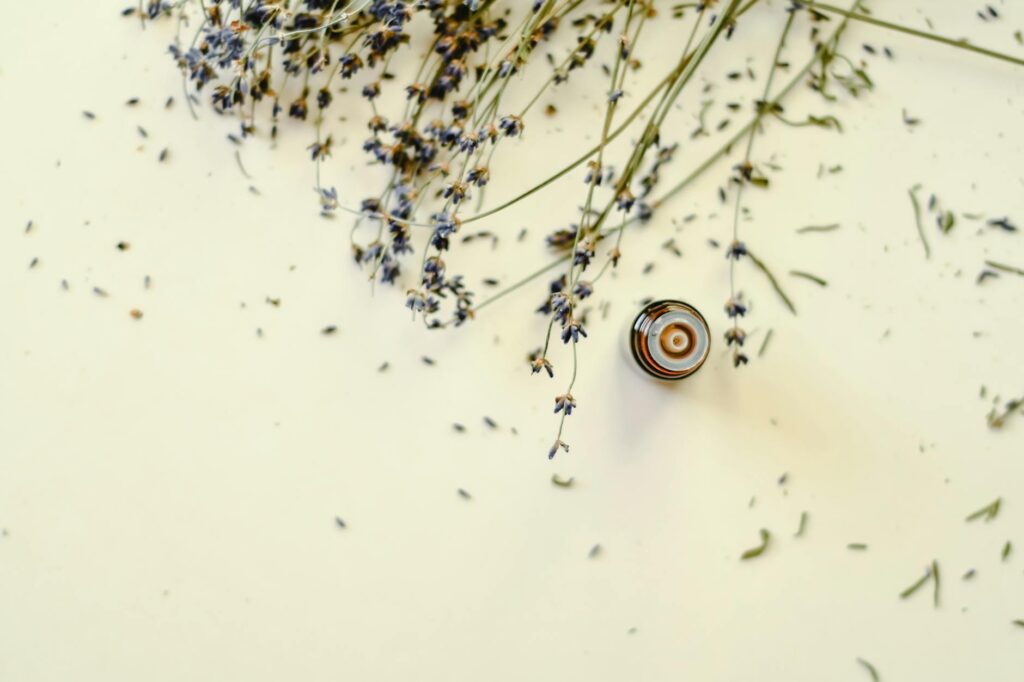
Benefits of Lavender Oil Safety
Introduction
Lavender oil, derived from the flowers of the Lavandula angustifolia plant, has been celebrated for its aromatic and therapeutic properties for centuries. Its sweet floral scent and calming effects have made it a staple in aromatherapy, perfumery, and natural wellness practices. However, as with any essential oil, understanding the safety aspects of lavender oil is crucial for its effective and responsible use. This article aims to explore the concept of lavender oil safety, highlighting its benefits, common applications, and important safety considerations.
What Is Lavender Oil Safety?
Lavender oil safety refers to the practices and precautions associated with the use of lavender essential oil to minimize risks and maximize benefits. Essential oils are highly concentrated plant extracts that can have potent effects on the body and mind. Therefore, understanding how to use these oils safely is essential, particularly for individuals who may be new to aromatherapy or those with specific health conditions.
Safety encompasses various aspects, including proper dilution, application methods, and awareness of potential interactions with other substances or medical conditions. It also involves understanding the quality and purity of the lavender oil being used, as adulterated or low-quality oils can pose health risks.
Key Benefits and Properties
Lavender oil is renowned for its numerous benefits, which can be attributed to its unique chemical composition. Some of the key properties of lavender oil include:
1. Calming and Relaxing: Lavender is widely recognized for its ability to promote relaxation and reduce stress. Its scent is often used in diffusers, bath products, and sleep aids.
2. Antimicrobial: Lavender oil possesses antimicrobial properties, making it useful in various skincare formulations. It may help to inhibit the growth of certain bacteria, fungi, and viruses.
3. Anti-inflammatory: The anti-inflammatory properties of lavender oil can contribute to soothing skin irritations and promoting overall skin health.
4. Mood Enhancer: Research suggests that lavender oil may help improve mood and alleviate symptoms of anxiety and depression through its calming aroma.
5. Sleep Aid: Many people use lavender oil to help improve sleep quality. Its soothing scent has been shown to reduce insomnia and enhance overall sleep satisfaction.
Common Uses
Lavender oil has a plethora of applications in everyday life, including but not limited to:
- Aromatherapy: Used in diffusers, lavender oil can create a calming environment, making it popular in homes, spas, and wellness centers.
- Bath Products: Lavender is a common ingredient in bath oils, salts, and soaps, providing a relaxing experience during bathing.
- Skincare: Lavender oil is often added to creams, lotions, and serums for its soothing and antiseptic properties. It can help with minor skin irritations and promote a healthy complexion.
- Household Cleaner: Due to its antimicrobial properties, lavender oil is sometimes included in natural cleaning products.
- Culinary Uses: Culinary-grade lavender can be used to flavor dishes and drinks, although this application requires careful consideration of dosage.
- Diffusion: Adding a few drops of lavender oil to a diffuser allows the aromatic compounds to disperse into the air, creating a tranquil environment.
- Topical Application: Lavender oil can be diluted with a carrier oil (such as jojoba or coconut oil) and applied to the skin. This method is often used for localized relief from discomfort or to promote relaxation.
- Inhalation: Inhaling lavender oil directly from the bottle or from a cotton ball can provide immediate calming effects, making it useful during stressful situations.
- Bathing: Adding lavender oil to bathwater can enhance relaxation and provide a soothing experience.
- Cool, Dark Place: Store lavender oil in a cool, dark location, away from direct sunlight and heat, which can degrade the oil.
- Tightly Sealed: Ensure that the bottle is tightly sealed when not in use to prevent oxidation.
- Shelf Life: Typically, lavender oil has a shelf life of 3 to 4 years when stored properly. However, it’s always a good idea to check for any changes in scent or consistency before use.
Aromatherapy Applications
In aromatherapy, lavender oil is frequently utilized for its calming effects. Here are some common methods of application:
Safety Considerations
While lavender oil is generally considered safe for most individuals, there are several important considerations to keep in mind:
1. Dilution: Essential oils are highly concentrated and should always be diluted before topical application. A common dilution ratio is 1-2 drops of lavender oil per teaspoon of carrier oil.
2. Allergies and Sensitivities: Individuals with sensitive skin or allergies should perform a patch test before using lavender oil topically. If irritation occurs, discontinue use.
3. Pregnancy and Nursing: Pregnant or nursing women should consult a healthcare professional before using lavender oil, as its effects during these periods are not thoroughly studied.
4. Children: Lavender oil may not be suitable for young children, particularly infants. Always seek guidance from a qualified professional regarding its use in children.
5. Interactions with Medications: Lavender oil may interact with certain medications, especially those affecting the central nervous system. It is advisable to consult a healthcare provider if you are on medication or have underlying health conditions.
6. Quality of Oil: To ensure safety and efficacy, purchase lavender oil from reputable sources. Look for oils that are 100% pure and free from synthetic additives.
Storage and Shelf Life
Proper storage of lavender oil is essential to maintain its quality and effectiveness. Here are some guidelines:
Frequently Asked Questions
1. Can lavender oil help with anxiety?
Lavender oil is often used in aromatherapy to promote relaxation and reduce anxiety symptoms. Its calming properties can create a serene environment, but individual results may vary.
2. Is lavender oil safe for skin use?
When properly diluted with a carrier oil, lavender oil is generally safe for topical use. However, individuals should perform a patch test to check for allergic reactions or skin sensitivities.
3. Can lavender oil be ingested?
Only culinary-grade lavender oil should be ingested, and even then, it should be used sparingly. Consult a professional before consuming any essential oils.
4. What should I do if I experience irritation from lavender oil?
If you experience irritation after using lavender oil, discontinue use immediately. Rinse the affected area with a carrier oil to help dilute the essential oil and seek medical advice if necessary.
5. Can I use lavender oil around pets?
While lavender oil is generally safe for pets in small amounts, it is crucial to consult a veterinarian before using it around animals, as some pets may have sensitivities to essential oils.
Conclusion
Lavender oil is a versatile and widely appreciated essential oil that offers numerous benefits, from promoting relaxation to enhancing skincare. However, its potency requires careful consideration of safety practices to ensure that its benefits can be enjoyed without adverse effects. By understanding lavender oil safety, users can responsibly incorporate this remarkable oil into their daily lives, enhancing their well-being through its aromatic and therapeutic properties.