
Benefits of Lemon Myrtle Oil Safety
Introduction
Lemon Myrtle Oil, derived from the leaves of the Backhousia citriodora tree native to Australia, has gained recognition for its aromatic and therapeutic properties. As interest in natural remedies and aromatherapy continues to grow, understanding the safety aspects of using lemon myrtle oil is crucial. This article will explore what lemon myrtle oil safety entails, its key benefits, common uses, and necessary safety considerations, providing a comprehensive guide for those interested in incorporating this essential oil into their routines.
What Is Lemon Myrtle Oil Safety?
Lemon Myrtle Oil safety refers to the guidelines and recommendations surrounding the proper use, handling, and storage of lemon myrtle essential oil. As with any essential oil, understanding its properties, potential risks, and safe usage practices is essential to maximizing benefits while minimizing adverse effects.
Lemon myrtle oil is prized for its high citral content, which is responsible for its characteristic lemon scent and numerous therapeutic properties. However, this potency also necessitates careful handling and application.
Key Benefits and Properties
Lemon Myrtle Oil is renowned for several key benefits, primarily linked to its chemical composition. Here are some of its notable properties:
1. Antimicrobial Properties: Lemon myrtle oil has been studied for its effectiveness against a range of bacteria, fungi, and viruses, making it a popular choice in natural cleaning products and personal care items.
2. Anti-inflammatory Effects: The oil is often utilized for its potential to reduce inflammation, which can be beneficial for various skin conditions and general well-being.
3. Mood Enhancement: The invigorating scent of lemon myrtle oil is believed to uplift the mood and alleviate feelings of stress and anxiety, promoting a sense of well-being.
4. Respiratory Support: Its fresh citrus aroma can help in clearing the airways and promoting easier breathing, making it a common addition to diffusers during cold and flu seasons.
5. Antioxidant Properties: Lemon myrtle oil contains compounds that may help protect the body from oxidative stress, contributing to overall health.
Common Uses
Lemon Myrtle Oil is versatile and can be employed in various applications, including:
- Aromatherapy: Often used in diffusers, it can fill a space with its uplifting scent, creating a refreshing environment.
- Topical Applications: When diluted properly, it can be applied to the skin for its antifungal and antibacterial properties. It is commonly used in skincare products.
- Household Cleaning: Its antimicrobial properties make lemon myrtle oil an effective natural cleaner, suitable for various surfaces.
- Culinary Uses: In small quantities, lemon myrtle oil can be used to flavor dishes, offering a unique citrus note.
- Keep it Cool: Store the oil in a cool, dark place to prevent degradation due to heat and light exposure.
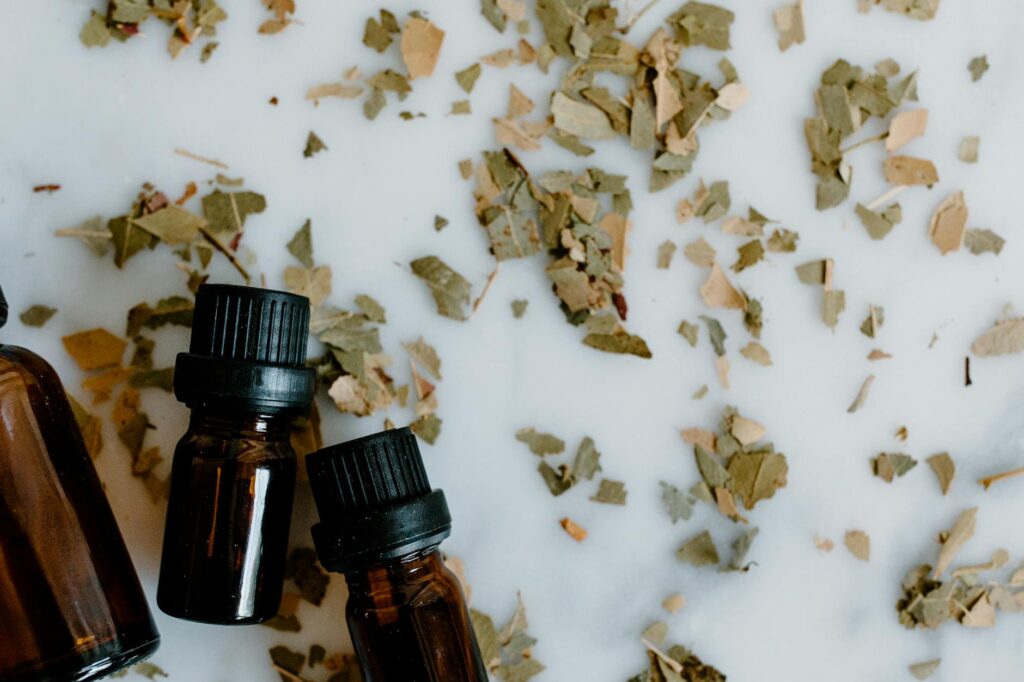
- Use Dark Glass Containers: Essential oils are best kept in dark glass bottles, which help protect them from light.
- Check for Expiration: While lemon myrtle oil has a shelf life of about 1-2 years when stored properly, always check for signs of spoilage, such as changes in color, scent, or consistency.
Aromatherapy Applications
In aromatherapy, lemon myrtle oil is celebrated for its bright, stimulating aroma. Here are some common applications:
1. Diffusion: Adding a few drops to a diffuser can create a refreshing atmosphere, enhancing mood and energy levels. It’s particularly effective when combined with other uplifting oils like sweet orange or peppermint.
2. Inhalation: Inhaling the oil directly from the bottle or using a personal inhaler can provide quick emotional uplift and clear breathing pathways.
3. Massage Blends: When mixed with a carrier oil, lemon myrtle oil can be used in massage to relax the body and invigorate the senses. It is advisable to dilute it properly before topical application.
4. Bathing: Adding a few drops to a warm bath can create a calming ritual, enhancing relaxation and providing a sensory escape.
Safety Considerations
While lemon myrtle oil is generally considered safe when used correctly, there are important safety considerations to keep in mind:
1. Dilution: Always dilute lemon myrtle oil with a carrier oil before applying it to the skin. A typical dilution ratio is 2-3 drops of essential oil per teaspoon of carrier oil.
2. Patch Testing: Conduct a patch test before first use. Apply a diluted drop to a small area of skin to check for any allergic reactions or sensitivities.
3. Avoid Eye Contact: Lemon myrtle oil is potent and can cause irritation if it comes into contact with the eyes. If this occurs, rinse thoroughly with water and seek medical attention if necessary.
4. Pregnancy and Nursing: Pregnant or nursing individuals should consult a healthcare professional before using lemon myrtle oil, as with any essential oil.
5. Pre-existing Conditions: Those with specific health conditions, particularly skin sensitivities or respiratory issues, should consult a healthcare professional before use.
6. Children and Pets: Keep lemon myrtle oil out of reach of children and pets. Always seek guidance from a veterinarian or pediatrician before using essential oils around pets or young children.
Storage and Shelf Life
Proper storage is essential to maintain the integrity of lemon myrtle oil. Here are some tips:
Frequently Asked Questions
1. Can lemon myrtle oil be ingested?
While lemon myrtle oil is used in culinary applications, it should be ingested only in small amounts and under the guidance of a qualified professional. Always ensure the oil is food-grade.
2. Is lemon myrtle oil safe for children?
Lemon myrtle oil should be used with caution around children. Always dilute properly and consult a pediatrician for guidance on age-appropriate use.
3. Can lemon myrtle oil be used in skin care products?
Yes, lemon myrtle oil can be incorporated into skincare formulations. However, it should always be diluted and tested for skin sensitivity.
4. What should I do if I experience a reaction to lemon myrtle oil?
If you experience any adverse reactions, discontinue use immediately and consult a healthcare professional for advice.
5. How can I incorporate lemon myrtle oil into my daily routine?
You can add lemon myrtle oil to your daily routine through diffusion, personal inhalers, or by adding it to your skincare products, ensuring you follow safety guidelines.
Conclusion
Lemon Myrtle Oil is a valuable addition to the world of essential oils, offering numerous benefits and applications. However, understanding its safety considerations is crucial to harnessing its full potential. By following proper dilution practices, storage methods, and being aware of individual sensitivities, users can enjoy the invigorating and therapeutic effects of lemon myrtle oil safely. As with all essential oils, informed use enhances the experience and ensures well-being.