
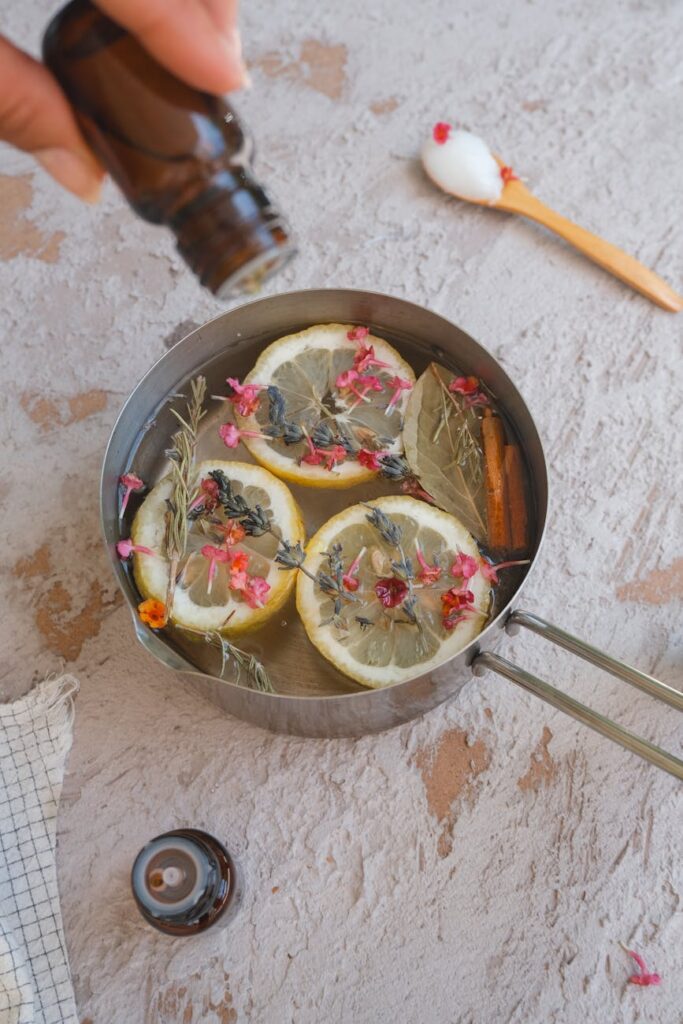
Benefits of Lemon Myrtle Oil
Introduction
Lemon myrtle oil, derived from the leaves of the Backhousia citriodora, a native Australian plant, has garnered attention in recent years for its myriad uses and benefits. With its refreshing lemon scent and numerous therapeutic properties, this essential oil is increasingly being incorporated into various wellness practices, household products, and personal care items. This article explores the characteristics, benefits, and common applications of lemon myrtle oil, providing a comprehensive overview for those interested in this versatile essential oil.
What Is Lemon Myrtle Oil?
Lemon myrtle oil is extracted from the leaves of the lemon myrtle tree, which can grow up to 30 meters in height and is known for its aromatic foliage. The oil is obtained through steam distillation, a process that captures the plant’s essential compounds without compromising their integrity. Lemon myrtle oil is characterized by its bright, citrusy aroma, reminiscent of lemon and lime, but with a unique, sweet undertone.
The oil’s major component is citral, which contributes both to its scent and its potential properties. Citral is a natural compound known for its antimicrobial and anti-inflammatory characteristics. Lemon myrtle oil is not only appreciated for its invigorating fragrance but also for its diverse range of applications in aromatherapy, personal care, and cleaning products.
Key Benefits and Properties
Lemon myrtle oil is celebrated for its numerous properties, many of which stem from its chemical composition. Below are some of the key benefits associated with this essential oil:
1. Antimicrobial Properties
Lemon myrtle oil is known for its potent antimicrobial effects, largely attributed to its high citral content. Research indicates that it may help inhibit the growth of certain bacteria and fungi, making it a popular choice for natural cleaning products and personal hygiene formulations.
2. Antioxidant Activity
The oil possesses antioxidant properties that can help neutralize free radicals in the body. Oxidative stress is linked to various health issues, and incorporating antioxidants into one’s lifestyle may support overall well-being.
3. Mood Enhancement
The uplifting scent of lemon myrtle oil is often used in aromatherapy to promote a sense of well-being and reduce feelings of stress and anxiety. Its bright, refreshing aroma can help invigorate the mind and enhance mood.
4. Respiratory Support
Inhalation of lemon myrtle oil is believed to support respiratory health. Its fresh, citrusy scent can help clear the airways and promote a sense of clarity, making it a common choice for use in diffusers during cold and flu seasons.
5. Skin Care Benefits
Lemon myrtle oil is often included in skincare products due to its potential ability to support healthy skin. Its antimicrobial properties may help with minor skin irritations, while its refreshing scent can enhance the overall sensory experience of personal care routines.
Common Uses
Lemon myrtle oil has a wide range of applications, making it a versatile addition to many households. Below are some common uses:
1. Aromatherapy
Lemon myrtle oil can be diffused in the air or added to a warm bath to create a calming atmosphere. Its uplifting scent may help combat fatigue and promote relaxation.
2. Skin Care
In diluted form, lemon myrtle oil can be added to lotions, creams, and serums. It is often used in formulations targeting oily or acne-prone skin due to its antimicrobial properties.
3. Household Cleaning
Due to its antimicrobial effects, lemon myrtle oil is an effective agent for natural cleaning solutions. It can be added to homemade cleaners or used in laundry to impart a fresh scent.
4. Culinary Uses
While lemon myrtle oil can be used in food and beverages, it should be consumed with caution and in moderation. It can enhance the flavor of dishes, adding a unique lemony profile.
5. Insect Repellent
The strong citrus scent of lemon myrtle oil can help repel insects, making it a popular ingredient in natural insect repellent formulations.
Aromatherapy Applications
In aromatherapy, lemon myrtle oil is often used to uplift mood and enhance mental clarity. Here are some common methods of application:
1. Diffusion
Using an essential oil diffuser, a few drops of lemon myrtle oil can be added to water to fill a room with its invigorating fragrance. This method is particularly effective in creating a refreshing environment.
2. Inhalation
Inhaling the scent directly from the bottle or by adding a few drops to a tissue can provide a quick boost of energy and clarity. This method is often used during moments of fatigue or stress.
3. Topical Application
When diluted with a carrier oil, lemon myrtle oil can be applied to pulse points, such as the wrists or neck. This method allows for a longer-lasting scent experience and may provide skin benefits.
4. Bathing
Adding lemon myrtle oil to a warm bath can create a spa-like experience. The oil not only offers a pleasant aroma but may also contribute to relaxation and mental clarity.
Safety Considerations
While lemon myrtle oil is generally considered safe for use, it is essential to follow safety guidelines:
1. Dilution
Lemon myrtle oil should be diluted with a carrier oil before applying it to the skin. This helps prevent irritation and ensures safe application.
2. Patch Testing
Before using lemon myrtle oil topically, conduct a patch test to check for any allergic reactions. Apply a small amount of diluted oil to a discreet area and wait 24 hours.
3. Avoiding Sensitive Areas
Avoid applying lemon myrtle oil near sensitive areas, such as the eyes or mucous membranes, as it may cause irritation.
4. Pregnancy and Nursing
Pregnant and nursing individuals should consult with a healthcare provider before using essential oils, including lemon myrtle oil.
5. Children
Use caution when applying lemon myrtle oil around children. It is advisable to consult with a qualified professional for proper usage guidelines.
Storage and Shelf Life
To maintain the quality and efficacy of lemon myrtle oil, proper storage is crucial:
1. Storage Conditions
Store lemon myrtle oil in a cool, dark place away from direct sunlight. Light and heat can degrade the oil, diminishing its potency.
2. Container
Keep the oil in a tightly sealed glass bottle, preferably amber or cobalt blue, to protect it from light exposure. Avoid plastic containers, as essential oils can degrade certain plastics over time.
3. Shelf Life
When stored correctly, lemon myrtle oil has a shelf life of approximately 2 to 3 years. It is advisable to check for any changes in aroma or consistency before use.
Frequently Asked Questions
1. Can lemon myrtle oil be ingested?
While some essential oils may be safe for ingestion, it is crucial to consult with a qualified professional before consuming lemon myrtle oil. Excessive use can lead to adverse effects.
2. Is lemon myrtle oil safe for pets?
Essential oils can affect pets differently than humans. It is advisable to consult a veterinarian before using lemon myrtle oil around pets, as some oils can be toxic to animals.
3. How does lemon myrtle oil compare to other citrus oils?
Lemon myrtle oil has a unique profile that sets it apart from other citrus oils like lemon or orange. Its high citral content lends it a distinctive aroma and potential therapeutic benefits.
4. Can lemon myrtle oil cause skin irritation?
While lemon myrtle oil is generally well-tolerated, it can cause irritation in some individuals. Always perform a patch test before applying it topically.
5. Where can I purchase lemon myrtle oil?
Lemon myrtle oil can be found in health food stores, specialty shops, and online retailers. It is essential to choose high-quality, pure essential oil from reputable sources.
Conclusion
Lemon myrtle oil is a remarkable essential oil with a range of applications and benefits. Its refreshing aroma, coupled with its antimicrobial and antioxidant properties, makes it a valuable addition to wellness and personal care routines. Whether used in aromatherapy, skincare, or household cleaning, lemon myrtle oil offers a natural way to enhance everyday life. As with any essential oil, proper usage and safety precautions should be followed to ensure an enjoyable and beneficial experience.