
Benefits of Lemongrass Oil Safety
Introduction
Lemongrass oil, derived from the leaves and stalks of the lemongrass plant (Cymbopogon citratus), has gained significant popularity in the realm of essential oils and aromatherapy. Known for its fresh and citrusy aroma, this essential oil is celebrated not only for its aromatic properties but also for its potential benefits in various applications. However, as with any essential oil, safety is paramount. This article delves into what lemongrass oil safety entails, exploring its benefits, common uses, aromatherapy applications, and important safety considerations.
What Is Lemongrass Oil Safety?
Lemongrass oil safety refers to the practices and guidelines that ensure the responsible use of this essential oil. While lemongrass oil is generally regarded as safe for use, understanding proper dilution, application methods, and storage practices is essential to maximize its benefits while minimizing potential risks. Essential oils are highly concentrated substances, and their potency necessitates caution, especially when used on the skin or ingested.
Key Benefits and Properties
Lemongrass oil is lauded for its unique composition, which includes several bioactive compounds such as citral, geranial, and neral. These compounds contribute to the oil’s various properties, making it a versatile addition to aromatherapy and natural wellness practices. Some of the key benefits of lemongrass oil include:
1. Antimicrobial Properties: Lemongrass oil has been studied for its ability to inhibit the growth of bacteria, fungi, and viruses. This makes it a popular choice for natural cleaning products and as an ingredient in personal care formulations.
2. Anti-inflammatory Effects: The oil may help reduce inflammation, which can be beneficial for conditions characterized by inflammation, although further research is needed to confirm these effects in various contexts.
3. Mood Enhancer: The uplifting scent of lemongrass oil is often used in aromatherapy to elevate mood, reduce stress, and promote a sense of well-being.
4. Digestive Support: Traditionally, lemongrass has been used to aid digestion and reduce gastrointestinal discomfort. The oil is sometimes incorporated into digestive blends for its potential soothing benefits.
5. Insect Repellent: The fresh scent of lemongrass oil is known to repel insects, making it a popular natural alternative to chemical-based repellents.
Common Uses
Lemongrass oil is versatile and can be used in various applications, including:
- Aromatherapy Diffusion: Adding a few drops of lemongrass oil to a diffuser can create a refreshing and uplifting atmosphere in any space.
- Massage Oil: When diluted with a carrier oil, lemongrass oil can be used for massage, providing both relaxation and potential muscle relief.
- Household Cleaning: Its antimicrobial properties make lemongrass oil a popular ingredient in homemade cleaning solutions, providing both efficacy and a pleasant scent.
- Personal Care Products: Lemongrass oil is often incorporated into skincare and haircare formulations for its refreshing fragrance and potential benefits.
- Stress Relief: Diffusing lemongrass oil in a stressful environment can help create a calming atmosphere, promoting relaxation and reducing anxiety.
- Focus and Concentration: The invigorating scent of lemongrass oil is believed to enhance focus and mental clarity, making it an excellent choice for study or work environments.
- Mood Booster: The uplifting aroma can help combat feelings of sadness or fatigue, providing a natural way to enhance mood.
- Keep It Cool: Store lemongrass oil in a cool, dark place, away from direct sunlight and heat sources. Excessive heat and light can degrade the oil’s quality over time.
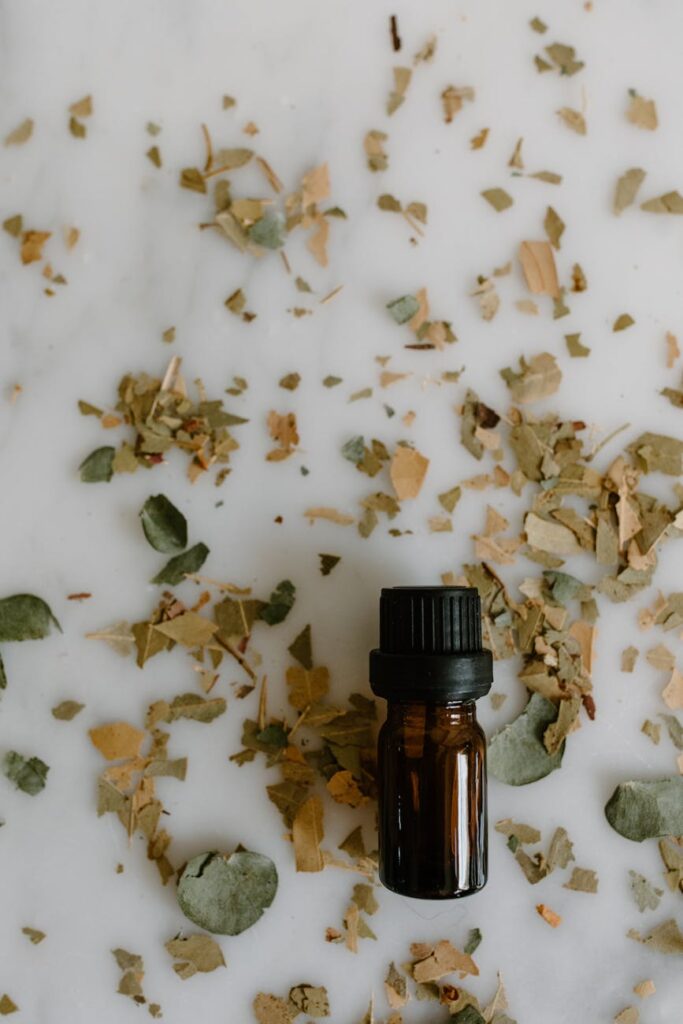
- Use Dark Glass Containers: Essential oils should be stored in dark glass bottles to protect them from UV light, which can cause oxidation and diminish their potency.
- Seal Tightly: Ensure the bottle is sealed tightly after each use to prevent contamination and evaporation.
- Shelf Life: The shelf life of lemongrass oil is typically around 1-3 years, depending on storage conditions. It is advisable to check for signs of spoilage, such as changes in color or odor, before use.
Aromatherapy Applications
In aromatherapy, lemongrass oil is widely recognized for its ability to promote emotional well-being and mental clarity. Some common applications include:
Safety Considerations
While lemongrass oil is generally safe for most individuals when used appropriately, there are important safety considerations to keep in mind:
1. Dilution: Essential oils are highly concentrated and should be diluted with a carrier oil (such as coconut, jojoba, or olive oil) before topical application to avoid skin irritation. A common dilution ratio is 2-3 drops of essential oil per teaspoon of carrier oil.
2. Patch Test: Before applying lemongrass oil to a larger area of skin, it’s advisable to perform a patch test. Apply a diluted drop to a small area and wait 24 hours to check for any adverse reactions.
3. Avoiding Sensitive Areas: Avoid applying lemongrass oil to sensitive areas, including the eyes, mucous membranes, and broken skin.
4. Pregnancy and Breastfeeding: While some essential oils are considered safe during pregnancy or breastfeeding, it is essential to consult a healthcare professional before use.
5. Children and Pets: Exercise caution when using essential oils around children and pets. Lemongrass oil may not be suitable for young children or certain animals, so it is important to do thorough research and consult with professionals as needed.
6. Ingestion: Ingesting essential oils is generally not recommended unless under the guidance of a qualified healthcare practitioner. Lemongrass oil may have adverse effects if consumed in large quantities.
Storage and Shelf Life
Proper storage of lemongrass oil is essential to maintain its efficacy and safety. Here are some guidelines:
Frequently Asked Questions
Is lemongrass oil safe for everyone?
While lemongrass oil is generally safe for most individuals, it is essential to consider specific circumstances, such as pregnancy, nursing, or existing health conditions. Always consult a healthcare professional if in doubt.
Can lemongrass oil be used in cooking?
Some culinary-grade lemongrass oils are available, but it is crucial to ensure they are safe for consumption. Generally, it is advisable to use fresh lemongrass or culinary-grade essential oils specifically labeled for ingestion.
How can I incorporate lemongrass oil into my skincare routine?
Lemongrass oil can be added to carrier oils for use in skincare, but it should always be properly diluted. It is also a common ingredient in commercial skincare products.
Is lemongrass oil effective for insect repellent?
Yes, lemongrass oil is known for its insect-repelling properties and can be used in natural insect repellent formulations. However, always perform a patch test before applying it to the skin.
What should I do if I experience an adverse reaction?
If you experience any adverse reactions after using lemongrass oil, discontinue use immediately and consult a healthcare professional. For skin irritation, wash the affected area with soap and water and apply a carrier oil to soothe the irritation.
Conclusion
Lemongrass oil offers a host of benefits, from its refreshing aroma to its potential antimicrobial properties. However, understanding and adhering to safety guidelines is crucial for maximizing its benefits while minimizing risks. Proper dilution, storage, and awareness of personal sensitivities can make for a safe and enjoyable experience with lemongrass oil in both aromatherapy and everyday applications. Always prioritize safety and consult professionals as needed to ensure a responsible approach to using this versatile essential oil.