
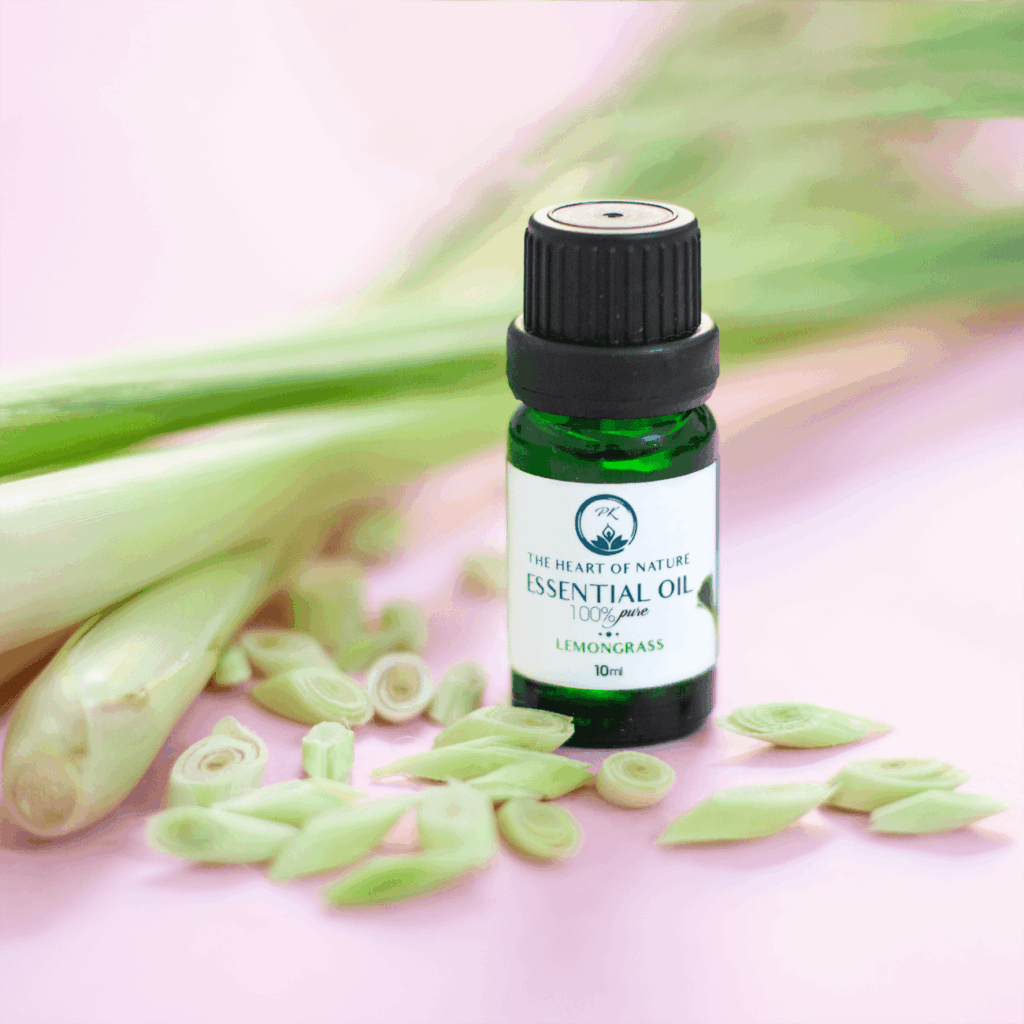
Benefits of Macerated Oils
Introduction
Macerated oils have gained popularity in the world of aromatherapy and natural skincare, thanks to their unique extraction method that allows for the infusion of beneficial properties from plant materials. This article explores the characteristics, benefits, and applications of macerated oils, providing a comprehensive understanding for those interested in incorporating these oils into their wellness routines.
What Are Macerated Oils?
Macerated oils are created through a process of steeping plant materials—such as flowers, herbs, or fruits—in a carrier oil for an extended period. This method allows the active compounds, essential oils, and nutrients from the plant material to dissolve into the carrier oil, resulting in a product enriched with the characteristics of the original plant. Common carrier oils used for maceration include olive oil, sunflower oil, and sweet almond oil, each contributing its own qualities to the final product.
The maceration process typically involves finely chopping the plant material and immersing it in the carrier oil, which is then left to steep for several weeks. This slow infusion allows for the gradual transfer of the plant’s essence into the oil, creating a potent blend that can be used in various applications.
Key Benefits and Properties
1. Nutrient-Rich Composition
Macerated oils capture the beneficial properties of the plant material used in their creation. For instance, oils infused with herbs like calendula or chamomile may inherit their anti-inflammatory and soothing properties. Similarly, oils macerated with lavender might carry calming and relaxing characteristics.
2. Versatile Carrier for Other Ingredients
Due to their rich nutrient profile, macerated oils serve as excellent carriers for essential oils and other botanical extracts. This makes them particularly useful in formulations for skincare, massage, and various therapeutic applications.
3. Enhanced Skin Benefits
The infusion process allows macerated oils to retain many phytonutrients, antioxidants, and vitamins found in the plant material. This can lead to improved skin hydration, nourishment, and overall health. For example, macerated oils derived from calendula can aid in healing minor cuts and dry skin, while those from arnica may help soothe muscle discomfort.
4. Natural Fragrance
Macerated oils often carry a subtle fragrance that reflects the plant material used. This natural scent can enhance the sensory experience in various applications, from personal care products to massage oils.
5. Eco-Friendly and Sustainable
Maceration is a sustainable method of extraction, utilizing natural ingredients without the need for synthetic additives or harsh chemicals. As the global demand for eco-friendly and organic products rises, macerated oils align well with the principles of sustainability.
Common Uses
Macerated oils have a wide range of applications, making them highly versatile in both personal care and therapeutic settings. Here are some common uses:
1. Skincare
Macerated oils can be incorporated into various skincare products, including lotions, creams, and balms. Their nourishing properties make them suitable for dry, sensitive, or irritated skin, providing hydration and relief.
2. Massage Oils
The soothing qualities of macerated oils make them ideal for use in massage. They can be blended with essential oils to enhance their therapeutic effects, making them a popular choice for relaxation and tension relief.
3. Hair Care
Macerated oils can also be used in hair care formulations. Their nourishing properties may promote healthier hair, improve manageability, and provide moisture to dry or damaged strands.
4. Aromatherapy Blends
In aromatherapy, macerated oils can serve as a base for creating blends tailored to specific needs, whether for relaxation, invigoration, or balance.
Aromatherapy Applications
In the realm of aromatherapy, macerated oils can be utilized in various ways. Their infused qualities can enhance the overall sensory experience and therapeutic potential of blends. Here are some applications:
1. Diffusion
Macerated oils can be added to an oil diffuser, allowing their gentle fragrance to fill the space. This can create a calming atmosphere, especially when combined with complementary essential oils.
2. Bath Treatments
Adding macerated oils to bathwater can create a luxurious and nourishing experience. The oil can help to moisturize the skin while providing a soothing aroma that enhances relaxation.
3. Inhalation
Macerated oils can be applied to a cotton ball or tissue for inhalation. This method is especially useful for enjoying the calming effects of plants like lavender or chamomile without the intensity of essential oils.
Safety Considerations
While macerated oils are generally safe for use, it is essential to consider a few factors:
1. Skin Sensitivity
Before using a macerated oil on the skin, it is advisable to conduct a patch test to check for any allergic reactions or sensitivities. This is particularly important for individuals with sensitive skin or allergies to specific plants.
2. Quality of Ingredients
The effectiveness and safety of macerated oils depend on the quality of the carrier oil and plant material used. It is recommended to source organic and high-quality ingredients to minimize exposure to pesticides or contaminants.
3. Proper Dilution
When blending macerated oils with essential oils, proper dilution is crucial to ensure safety. Essential oils are highly concentrated and should be used in moderation to prevent skin irritation.
4. Consultation
For individuals with specific health concerns or conditions, consulting a qualified aromatherapist or herbalist can provide personalized guidance on the use of macerated oils.
Storage and Shelf Life
To maintain the potency and quality of macerated oils, proper storage is essential. Here are some guidelines:
1. Dark Glass Bottles
Store macerated oils in dark glass bottles to protect them from light exposure, which can degrade the oil over time. Clear glass containers should be avoided for long-term storage.
2. Cool, Dry Place
Keep macerated oils in a cool, dry place away from direct sunlight and heat sources. Excessive heat can lead to rancidity and loss of beneficial properties.
3. Shelf Life
The shelf life of macerated oils can vary depending on the carrier oil used and the type of plant material infused. Generally, macerated oils can last from six months to one year when stored properly. Regularly check for any changes in color, scent, or consistency, which may indicate spoilage.
Frequently Asked Questions
1. How are macerated oils different from essential oils?
Macerated oils are created by infusing plant material into a carrier oil, while essential oils are concentrated extracts obtained through steam distillation or cold pressing. Essential oils contain the volatile aromatic compounds of the plant, whereas macerated oils retain the properties of the whole plant.
2. Can I make my own macerated oils at home?
Yes, making macerated oils at home is a straightforward process. Simply choose your desired plant material, chop it finely, and immerse it in a carrier oil. Allow it to steep in a cool, dark place for several weeks, shaking it occasionally to promote infusion.
3. Are there any plants that should not be used for maceration?
While many plants are suitable for maceration, some may not be safe or advisable due to potential toxicity or skin irritation. It is essential to research the specific plant material and consult resources or professionals if unsure about its safety.
4. Can macerated oils be used for cooking?
While some macerated oils made from culinary herbs may be used for cooking, it is crucial to ensure that the plant materials are safe for consumption and that the carrier oil is suitable for culinary use.
Conclusion
Macerated oils represent a unique intersection of nature and wellness, offering a wide array of benefits and applications. Their nutrient-rich composition, versatility, and compatibility with other botanical ingredients make them valuable additions to personal care and aromatherapy practices. By understanding their properties and proper usage, individuals can harness the power of macerated oils to enhance their overall well-being.