
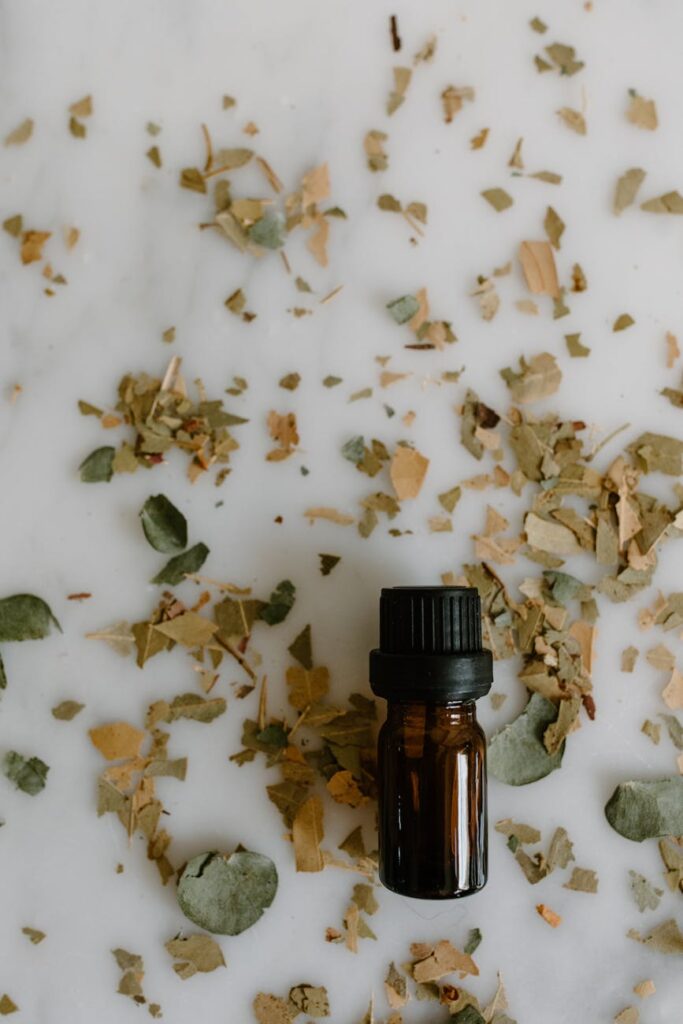
Benefits of Marjoram Oil
Introduction
Marjoram oil, derived from the leaves of the Origanum majorana plant, is a staple in both culinary and therapeutic practices. Known for its warm, earthy scent and myriad of health-promoting properties, marjoram oil has been utilized for centuries across various cultures. This article delves into the essence of marjoram oil, highlighting its benefits, common applications, and considerations for safe use.
What Is Marjoram Oil?
Marjoram oil is an essential oil extracted from the dried leaves of the marjoram plant, a member of the Lamiaceae family. This perennial herb is native to the Mediterranean region and has been valued since ancient times for its culinary uses and therapeutic properties. The oil is typically obtained through steam distillation, preserving the plant’s aromatic compounds.
The oil’s chemical composition includes significant components such as terpinen-4-ol, gamma-terpinene, and 1,8-cineole, which contribute to its distinct aroma and potential benefits. The warm, woody scent of marjoram oil is often described as comforting and soothing, making it a popular choice in aromatherapy and natural wellness practices.
Key Benefits and Properties
1. Calming and Relaxing: Marjoram oil is often associated with relaxation and stress relief. Its soothing aroma can help reduce feelings of anxiety and promote a sense of calm, making it an excellent addition to evening routines or meditation practices.
2. Anti-inflammatory Properties: Preliminary studies suggest that marjoram oil may possess anti-inflammatory properties, which can be beneficial for soothing aches and discomfort. This makes it a popular choice in massage blends or topical applications.
3. Antioxidant Effects: The oil contains antioxidants that may help combat oxidative stress in the body. Antioxidants play a crucial role in neutralizing free radicals, which can contribute to aging and various health conditions.
4. Digestive Aid: Traditionally, marjoram has been used to support digestive health. The oil may help alleviate discomfort and promote healthy digestion, making it a valuable addition to digestive blends.
5. Antimicrobial Activity: Some studies indicate that marjoram oil possesses antimicrobial properties, which may make it effective against certain bacteria and fungi. This aspect has led to its use in natural cleaning products and personal care items.
Common Uses
Marjoram oil is versatile and can be employed in various contexts, including:
- Culinary: While the essential oil itself is potent, diluted forms of marjoram can enhance flavors in cooking. It is often used in Mediterranean dishes, sauces, and marinades.
- Massage Oils: Due to its anti-inflammatory properties, marjoram oil is frequently added to massage blends to soothe sore muscles and promote relaxation.
- Skin Care: When diluted with a carrier oil, marjoram oil can be applied topically to potentially benefit skin conditions and enhance overall skin health.
- Natural Cleaning Products: Thanks to its antimicrobial properties, marjoram oil can be incorporated into DIY cleaning solutions to help disinfect surfaces.
- Dilution: Essential oils are highly concentrated and should be diluted with a carrier oil before topical application to prevent skin irritation.
- Patch Test: Conducting a patch test before using marjoram oil on larger skin areas is recommended to check for potential allergic reactions.
- Pregnancy and Nursing: Pregnant and nursing women should consult with a healthcare professional before using marjoram oil, as certain essential oils can have contraindications during these periods.
- Children: Essential oils should be used with caution around children. It is advisable to consult with a knowledgeable practitioner for safe usage guidelines.
- Medical Conditions: Individuals with specific health conditions or those taking medications should seek professional advice before incorporating marjoram oil into their routines.
- Cool, Dark Place: Store marjoram oil in a cool, dark area away from direct sunlight and heat sources. This helps to preserve its aromatic properties.
- Tightly Sealed: Ensure that the bottle is tightly sealed to prevent oxidation and evaporation.
- Shelf Life: Marjoram oil typically has a shelf life of about 1-3 years, depending on storage conditions. Always check for changes in smell or appearance before use, as these may indicate degradation.
Aromatherapy Applications
In aromatherapy, marjoram oil is valued for its calming effects on the mind and body. Here are some common applications:
1. Diffusion: Using a diffuser, marjoram oil can be dispersed into the air, creating a tranquil atmosphere. It pairs well with other calming oils, such as lavender and chamomile.
2. Inhalation: Inhaling marjoram oil directly from the bottle or using a cotton ball can provide immediate stress relief and promote relaxation.
3. Bathing: Adding a few drops of marjoram oil to bathwater can create a soothing experience, helping to relieve tension and encourage a sense of well-being.
4. Meditation and Yoga: The grounding scent of marjoram oil can enhance meditation and yoga practices, helping individuals to focus and relax.
Safety Considerations
While marjoram oil is generally considered safe for most people when used appropriately, there are several important safety considerations to keep in mind:
Storage and Shelf Life
Proper storage is essential to maintain the quality and efficacy of marjoram oil. Here are some guidelines:
Frequently Asked Questions
1. Can marjoram oil be ingested?
While some culinary uses of marjoram exist, ingesting essential oils without proper guidance can be risky. It is essential to consult a qualified practitioner before considering internal use.
2. Is marjoram oil safe for pets?
Certain essential oils can be harmful to pets. It is advisable to consult with a veterinarian before using marjoram oil or any essential oil around animals.
3. Can marjoram oil help with sleep issues?
Many individuals find the soothing aroma of marjoram oil beneficial for promoting relaxation and aiding sleep. However, individual responses may vary.
4. How do I choose a quality marjoram oil?
When selecting marjoram oil, look for products labeled as 100% pure essential oil, preferably from reputable brands. The oil should be free from additives and synthetic compounds.
5. What other essential oils blend well with marjoram oil?
Marjoram oil blends harmoniously with various essential oils, including lavender, bergamot, and chamomile, enhancing their collective calming effects.
Conclusion
Marjoram oil is a versatile and beneficial essential oil with a rich history and many applications. From its calming properties to its potential benefits for the digestive system and skin health, marjoram oil offers a variety of uses in aromatherapy, natural wellness, and even culinary practices. With proper safety considerations and storage practices, marjoram oil can be a valuable addition to any essential oil collection. As with all essential oils, individual experiences may vary, and it is essential to approach its use thoughtfully and informed.