
Benefits of Massage Blends
Introduction
Massage blends, composed of essential oils and carrier oils, play a pivotal role in enhancing the art and therapy of massage. The combination of various oils not only provides fragrance but also contributes to a holistic experience that can promote relaxation, alleviate tension, and improve overall well-being. This article explores the definition of massage blends, their benefits, common uses, and safety considerations, offering a comprehensive understanding of their applications in both therapeutic and everyday settings.
What Is Massage Blends?
Massage blends are tailored mixtures of essential oils and carrier oils specifically designed for use in massage therapy. Essential oils, extracted from various plant parts such as leaves, flowers, stems, and roots, contain potent aromatic compounds. Carrier oils, on the other hand, are fatty plant oils that dilute essential oils to ensure safe application on the skin. Common carrier oils include sweet almond oil, jojoba oil, and coconut oil.
The art of creating a massage blend involves selecting essential oils that complement each other in aroma and therapeutic properties. The resulting blend can be used to enhance the massage experience, target specific concerns, and promote emotional balance.
Key Benefits and Properties
The benefits of massage blends can be categorized into physical, psychological, and emotional aspects:
Physical Benefits
1. Muscle Relaxation: The application of massage blends can help to relieve muscle tension and soreness. Essential oils like lavender and marjoram possess properties that promote muscle relaxation and ease discomfort.
2. Improved Circulation: Certain oils, such as ginger and black pepper, can stimulate blood flow, enhancing circulation and warming the muscles.
3. Pain Relief: Massage blends containing oils like peppermint or eucalyptus may assist in alleviating headaches or joint pain due to their analgesic properties.
4. Skin Nourishment: Carrier oils, rich in vitamins and fatty acids, nourish the skin, providing hydration and protection against environmental stressors.
Psychological Benefits
1. Stress Reduction: Aromatic compounds in essential oils can influence the limbic system, the part of the brain responsible for emotions. Oils like bergamot and chamomile are known for their calming effects.
2. Mood Enhancement: Certain blends can elevate mood and promote feelings of happiness, with oils like sweet orange and ylang-ylang often included for their uplifting properties.
3. Enhanced Relaxation: The ritual of massage combined with soothing scents can create a serene environment that fosters relaxation and mindfulness.
Emotional Benefits
1. Emotional Balance: Essential oils can evoke strong emotional responses. Blends that include rose or frankincense may help in grounding and stabilizing emotions.
2. Enhanced Connection: The sensory experience of massage can strengthen the bond between the client and therapist, fostering trust and comfort.
Common Uses
Massage blends can be applied in various settings and for multiple purposes. Some of the most common uses include:
1. Therapeutic Massage: Many massage therapists use specific blends tailored to the needs of their clients, whether for relaxation, rehabilitation, or sports massage.
2. Home Care: Individuals can create their own massage blends for personal use, targeting specific areas of concern such as tension in the neck or lower back.
3. Spa Treatments: Many spas offer specialized treatments that employ unique massage blends designed to enhance the overall experience.
4. Self-Care Routines: Incorporating massage blends into a self-care regimen can promote relaxation and improve overall well-being.
Aromatherapy Applications
Aromatherapy is a branch of holistic health that utilizes the therapeutic properties of essential oils. The application of massage blends within aromatherapy offers several approaches:
1. Topical Application: Massage blends are typically applied directly to the skin during a massage, allowing essential oils to penetrate and exert their effects.
2. Diffusion: While primarily intended for topical use, some massage blends can also be diffused in the air, allowing the aromatic compounds to create a calming atmosphere.
3. Bathing: Adding a few drops of a massage blend to bathwater can enhance the bathing experience, promoting relaxation and alleviating stress.
4. Inhalation: Inhaling the aroma of a massage blend can provide immediate emotional and psychological benefits, making it a versatile option for self-care.
Safety Considerations
While massage blends can offer many benefits, it is essential to consider safety guidelines:
1. Dilution: Essential oils are potent and should always be diluted with a carrier oil before application to the skin. A general guideline is to use a 2% dilution, which equates to about 12 drops of essential oil per ounce of carrier oil.
2. Patch Testing: To avoid allergic reactions, it is advisable to perform a patch test on a small skin area before using a new massage blend extensively.
3. Pregnancy and Medical Conditions: Certain essential oils may not be suitable for pregnant individuals or those with specific medical conditions. Consulting a knowledgeable practitioner is recommended.
4. Quality of Oils: The quality of essential oils can vary widely. It is crucial to source oils from reputable suppliers and ensure they are pure and free from synthetic additives.
Storage and Shelf Life
Proper storage of massage blends is vital to maintain their efficacy and safety:
1. Storage Conditions: Massage blends should be stored in a cool, dark place, away from direct sunlight and heat. A cabinet or drawer is ideal.
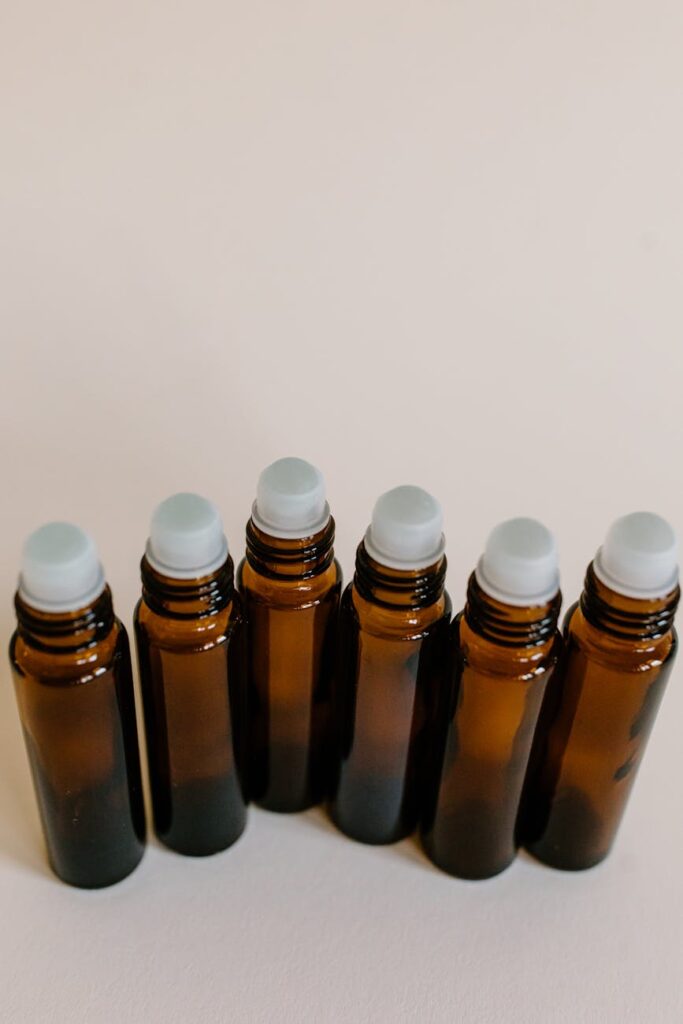
2. Container Type: Amber or cobalt glass bottles are preferred for storing essential oils and blends, as they help protect against light degradation.
3. Shelf Life: The shelf life of a massage blend depends on the ingredients used. Generally, blends can last from 6 months to 2 years. Carrier oils may have a shorter shelf life, so it is essential to monitor for any changes in smell or consistency.
Frequently Asked Questions
Can I use any essential oils in my massage blend?
Not all essential oils are suitable for topical use. Some oils can cause skin irritation or allergic reactions. It is important to research and select oils that are safe for massage.
How do I choose the right essential oils for my blend?
Consider your specific needs, preferences, and any potential allergies. Research the properties of various oils and experiment with combinations to find what works best for you.
How often should I use massage blends?
Frequency of use can vary based on individual preferences and needs. Some may benefit from regular application, while others may use blends as needed.
Can I use massage blends on children?
While some essential oils are safe for children, it is crucial to dilute them appropriately and consult a qualified practitioner for guidance.
Are there any oils to avoid during pregnancy?
Yes, certain essential oils should be avoided during pregnancy due to potential risks. Always consult a healthcare provider or qualified aromatherapist for safe options.
Conclusion
Massage blends provide a unique and multifaceted approach to enhancing the massage experience. By combining the therapeutic properties of essential oils with the nourishing qualities of carrier oils, these blends can promote physical, psychological, and emotional well-being. Understanding their benefits, common uses, and safety considerations allows individuals and practitioners to maximize the potential of massage blends in their wellness practices. Whether through professional therapy or personal self-care, the integration of massage blends into daily life can contribute to a more balanced and harmonious existence.