
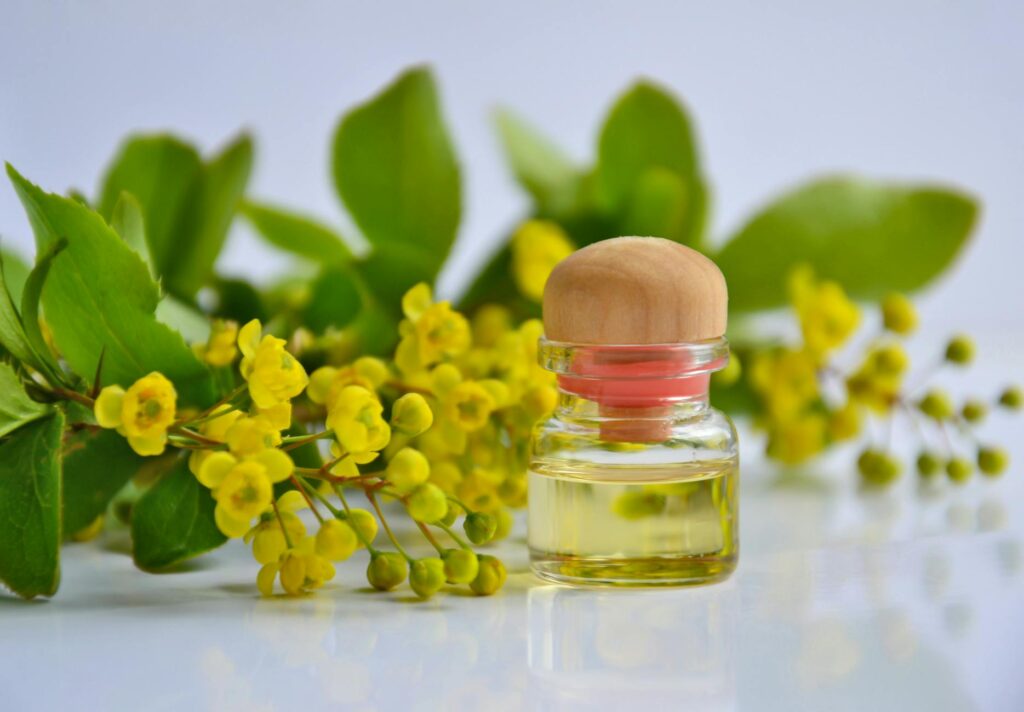
Benefits of Medicinal Flowers
Introduction
Medicinal flowers have been utilized for centuries across various cultures, revered not only for their beauty but also for their therapeutic properties. From the vibrant petals of calendula to the delicate blooms of chamomile, these flowers offer a wealth of benefits that extend beyond mere aesthetics. Their uses span traditional medicine, culinary applications, and aromatherapy, making them a versatile addition to both personal and professional wellness practices. This article will delve into the fascinating world of medicinal flowers, exploring their properties, uses, and safety considerations.
What Are Medicinal Flowers?
Medicinal flowers are specific varieties of flowering plants known for their healing properties. These blooms contain essential oils, flavonoids, alkaloids, and other bioactive compounds that contribute to their health benefits. While many flowers can be considered medicinal, some of the most widely recognized include:
- Chamomile (Matricaria chamomilla): Known for its calming effects.
- Lavender (Lavandula angustifolia): Celebrated for its soothing aroma.
- Echinacea (Echinacea purpurea): Often used to support the immune system.
- Calendula (Calendula officinalis): Valued for its skin-healing properties.
These flowers are typically harvested at specific times to ensure optimal potency, and they can be used in various forms, such as teas, extracts, essential oils, and infusions.
Key Benefits and Properties
Medicinal flowers are rich in various compounds that provide numerous health benefits. Here are some of the key properties associated with a selection of popular medicinal flowers:
1. Anti-inflammatory Properties
Many medicinal flowers, such as calendula and chamomile, possess anti-inflammatory properties. These can help reduce swelling, redness, and discomfort associated with various conditions.
2. Antioxidant Effects
Flowers like hibiscus and rose contain antioxidants that combat free radicals, potentially reducing oxidative stress and supporting overall health.
3. Relaxation and Stress Relief
Lavender is renowned for its calming effects. Its essential oil is often used in aromatherapy to alleviate anxiety and promote relaxation.
4. Skin Health
Calendula is particularly noted for its skin-healing properties. It can aid in wound healing, soothe irritation, and maintain skin hydration.
5. Immune Support
Echinacea is widely recognized for its potential to enhance immune function, making it a popular choice during cold and flu season.
Common Uses
Medicinal flowers can be utilized in various forms, each offering unique advantages:
1. Teas and Infusions
Flowers such as chamomile and hibiscus are often brewed as teas. These infusions can provide a gentle way to enjoy the benefits of the flowers, allowing for easy consumption and digestion.
2. Essential Oils
Essential oils extracted from flowers like lavender and rose are commonly used in aromatherapy. These oils can be diffused, added to baths, or used in massage blends.
3. Topical Applications
Calendula and chamomile are frequently found in creams, ointments, and salves due to their skin-soothing properties. These topical applications can help with minor cuts, burns, and irritations.
4. Culinary Uses
Certain edible flowers, such as nasturtium and lavender, can be used in cooking and baking. They not only enhance the visual appeal of dishes but also add unique flavors and health benefits.
Aromatherapy Applications
Aromatherapy is a holistic healing practice that utilizes essential oils derived from medicinal flowers to promote physical and emotional well-being. The essential oils extracted from these flowers can be used in various ways:
1. Diffusion
Using a diffuser, essential oils can be dispersed into the air, creating an aromatic environment that may help alleviate stress and enhance mood. Lavender and chamomile oils are particularly popular for relaxation.
2. Massage
Diluting essential oils in a carrier oil and using them for massage can enhance physical relaxation and alleviate muscle tension. The soothing scents of these flowers can further enhance the experience.
3. Bathing
Adding essential oils to bath water or using bath products infused with medicinal flowers can create a calming and rejuvenating experience.
4. Inhalation
Direct inhalation of essential oils or steam inhalation with added flower extracts can help clear respiratory passages and promote relaxation.
Safety Considerations
While medicinal flowers offer numerous benefits, it is essential to approach their use with caution. Here are some safety considerations:
1. Allergies
Individuals should be aware of potential allergies to specific flowers. Conducting a patch test or consulting with a healthcare provider is advisable before using any new flower-based product.
2. Dosage
When using flowers in teas or extracts, it is crucial to follow recommended dosages to avoid adverse effects. Overconsumption may lead to unwanted side effects.
3. Pregnancy and Nursing
Certain medicinal flowers may not be safe for pregnant or nursing women. Consulting a healthcare professional is recommended before using any flower-based products during these periods.
4. Interactions with Medications
Some medicinal flowers can interact with medications, particularly those that affect the central nervous system or blood pressure. Always consult a healthcare professional if you are taking medication and considering the use of medicinal flowers.
Storage and Shelf Life
Proper storage is vital to maintaining the quality and efficacy of medicinal flowers. Here are some tips:
1. Dried Flowers
Store dried flowers in a cool, dark place in airtight containers. This helps preserve their potency and prevents degradation. When stored properly, dried flowers can last for up to a year.
2. Essential Oils
Essential oils should be kept in dark glass bottles and stored away from light and heat. Most essential oils have a shelf life of one to three years, depending on the type and storage conditions.
3. Infusions and Teas
Once opened, herbal teas and flower-infused products should be consumed within six months to ensure freshness. Always check for any signs of spoilage before use.
Frequently Asked Questions
1. Can I use any flower for medicinal purposes?
Not all flowers are safe or effective for medicinal use. It is important to research specific flowers and consult reputable sources to ensure their safety and efficacy.
2. How can I prepare flower teas?
To prepare flower teas, steep the dried flowers in hot water for about 5-10 minutes, depending on the flower. Strain and enjoy. Sweeteners or lemon can be added if desired.
3. Are essential oils safe to apply directly to the skin?
Essential oils should typically be diluted with a carrier oil before topical application to prevent skin irritation. Always conduct a patch test first.
4. Can I grow my own medicinal flowers?
Yes, many medicinal flowers can be grown at home, provided the right growing conditions are met. Research specific flowers to understand their requirements for sunlight, soil, and water.
5. Are there any side effects associated with medicinal flowers?
While many medicinal flowers are safe, some individuals may experience allergic reactions or side effects. It is important to start with small amounts and consult a healthcare professional if adverse reactions occur.
Conclusion
Medicinal flowers offer a diverse range of benefits that enrich our lives both physically and emotionally. With their historical significance and modern applications, they serve as a bridge between tradition and contemporary wellness practices. Whether enjoyed as a tea, used in aromatherapy, or applied topically, these blooms remind us of nature’s inherent ability to heal and soothe. As with any natural remedy, understanding their properties and using them responsibly will allow individuals to harness the full potential of these remarkable botanical wonders.