
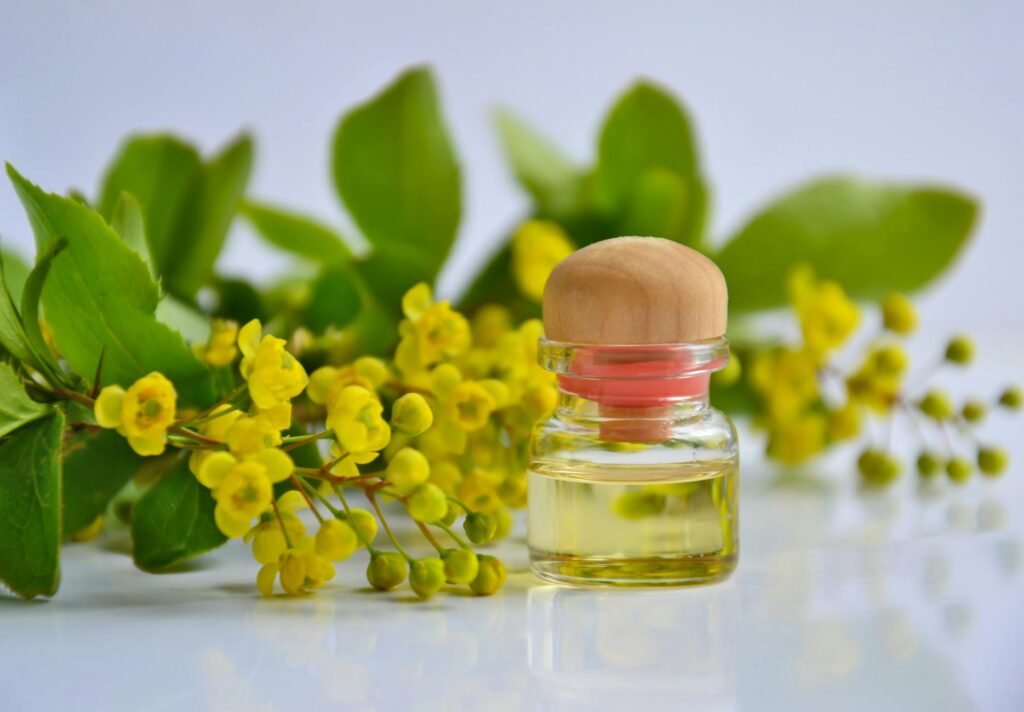
Benefits of Medicinal Shrubs
Introduction
Medicinal shrubs have long been a cornerstone of traditional healing practices across various cultures. These plants, characterized by their woody stems and perennial growth, are rich in bioactive compounds that contribute to their therapeutic properties. This article explores the benefits of medicinal shrubs, their common uses, applications in aromatherapy, safety considerations, and tips for storage and shelf life.
What Is Medicinal Shrubs?
Medicinal shrubs are defined as woody plants that possess therapeutic properties, making them valuable in herbal medicine and natural therapies. Unlike trees, shrubs typically have multiple stems and are smaller in stature, often growing between 1 to 6 meters in height. Many of these plants are versatile, thriving in various climates and soil types. Some well-known medicinal shrubs include:
- Sage (Salvia officinalis): Often used for digestive health and cognitive enhancement.
- Thyme (Thymus vulgaris): Known for its antiseptic and anti-inflammatory properties.
- Rosemary (Salvia rosmarinus): Recognized for its potential to improve memory and circulation.
- Lavender (Lavandula angustifolia): Valued for its calming effects and use in stress relief.
These plants have been utilized for centuries across different cultures, from the ancient Greeks and Romans to indigenous peoples around the world. Their rich histories underscore their significance in the realm of natural health.
Key Benefits and Properties
Medicinal shrubs are celebrated for their diverse array of bioactive compounds, including essential oils, flavonoids, and alkaloids. These compounds contribute to various health benefits, such as:
Antioxidant Properties
Many medicinal shrubs contain antioxidants that help neutralize free radicals in the body. This can contribute to reducing oxidative stress and lowering the risk of chronic diseases.
Anti-inflammatory Effects
Several shrubs possess anti-inflammatory properties, which can assist in managing conditions characterized by inflammation, including arthritis and other inflammatory disorders.
Antimicrobial Activity
Medicinal shrubs like thyme and sage are known for their antimicrobial properties, making them effective in inhibiting the growth of bacteria and fungi.
Digestive Support
Plants such as peppermint (Mentha piperita), which can be classified as a shrub, are often used to aid digestion and alleviate gastrointestinal discomfort.
Mood Enhancement
Certain shrubs, particularly lavender and rosemary, are renowned for their ability to promote relaxation and improve mood, often utilized in aromatherapy to alleviate anxiety and stress.
Common Uses
Medicinal shrubs are employed in a myriad of ways, reflecting their versatility. Some common uses include:
Herbal Teas
Many shrubs can be brewed into herbal teas. For instance, sage and thyme teas are popular for their soothing properties and can be enjoyed hot or cold.
Essential Oils
The essential oils derived from medicinal shrubs are widely used in aromatherapy and holistic practices. These oils can be extracted through steam distillation and are often used in diffusers, massage oils, and topical applications.
Culinary Applications
Several medicinal shrubs, such as rosemary and thyme, are also culinary herbs. Their flavor-enhancing properties make them popular additions to various dishes, while their health benefits are an added bonus.
Natural Remedies
Medicinal shrubs have long been used in traditional herbalism to create tinctures, salves, and balms. These formulations harness the plants’ therapeutic properties for various ailments.
Personal Care Products
The essential oils and extracts from medicinal shrubs are commonly found in personal care products such as soaps, lotions, and shampoos, offering both aromatic and skin benefits.
Aromatherapy Applications
Aromatherapy is a holistic practice that utilizes essential oils derived from medicinal shrubs to promote physical and emotional well-being. Some notable applications include:
Stress Relief
Lavender essential oil is one of the most popular oils used in aromatherapy for its calming effects. Diffusing lavender oil in spaces or using it in a bath can help alleviate stress and promote relaxation.
Improved Focus
Rosemary essential oil is often associated with enhanced cognitive function and memory. Inhaling rosemary oil may help improve concentration and mental clarity.
Respiratory Support
Thyme and eucalyptus (notably a tree but often associated with shrub-like growth) essential oils are commonly used to support respiratory health. Their inhalation can help clear the airways and ease breathing.
Sleep Aid
Many individuals use chamomile (Matricaria chamomilla), often found in shrub form, as a natural sleep aid. Its calming properties can help create a serene environment conducive to restful sleep.
Safety Considerations
While medicinal shrubs offer numerous benefits, it is essential to approach their use with caution. Consider the following safety guidelines:
Consult a Professional
Before using any medicinal shrub or its derivative products, consulting with a qualified herbalist or healthcare professional is advisable, especially for individuals with underlying health conditions or those who are pregnant or breastfeeding.
Allergic Reactions
Some individuals may experience allergic reactions to certain shrubs. It is important to perform a patch test when using essential oils or topical applications to ensure no adverse reactions occur.
Dosage Awareness
When using herbal remedies, it is crucial to adhere to recommended dosages to avoid potential side effects. Overconsumption can lead to adverse health effects.
Drug Interactions
Certain medicinal shrubs may interact with prescription medications. Always disclose herbal usage to healthcare providers to prevent any potential interactions.
Storage and Shelf Life
Proper storage is critical for maintaining the efficacy of medicinal shrubs and their products. Here are some guidelines:
Dried Herbs
Store dried medicinal shrubs in airtight containers in a cool, dark place. Properly stored, dried herbs can retain their potency for up to one year.
Essential Oils
Essential oils should be stored in dark glass bottles to protect them from light and heat. When stored correctly, essential oils can last for several years, but they should be checked for signs of spoilage, such as changes in smell or consistency.
Tinctures and Extracts
Alcohol-based tinctures should be kept in dark bottles and stored in a cool location. They generally have a shelf life of several years, but it’s essential to check for any visible changes in color or sediment.
Frequently Asked Questions
Can I use medicinal shrubs if I am pregnant?
It is essential to consult with a healthcare provider before using any medicinal shrubs during pregnancy, as some may not be safe.
Are medicinal shrubs safe for children?
While some medicinal shrubs are safe for children, others may not be suitable. Always consult a pediatrician before using herbs with children.
How can I incorporate medicinal shrubs into my daily routine?
You can include medicinal shrubs in your routine through herbal teas, cooking, aromatherapy, or by using essential oils in diffusers.
Are there any side effects associated with medicinal shrubs?
While many medicinal shrubs are safe for general use, some may cause allergic reactions or interact with medications. Always approach their use with caution and seek professional advice when needed.
Where can I find medicinal shrubs?
Medicinal shrubs can be found in health food stores, herbal shops, and online retailers. You may also consider growing your own shrubs for personal use.
Conclusion
Medicinal shrubs offer a rich tapestry of benefits rooted in centuries of traditional use. As both culinary and therapeutic plants, they provide a natural means to support health and well-being. By understanding their properties, uses, and safety considerations, individuals can appreciate the potential of these remarkable plants in their daily lives. Whether enjoyed as a soothing tea, an aromatic essential oil, or simply as part of a balanced diet, medicinal shrubs hold a special place in the world of natural healing.