
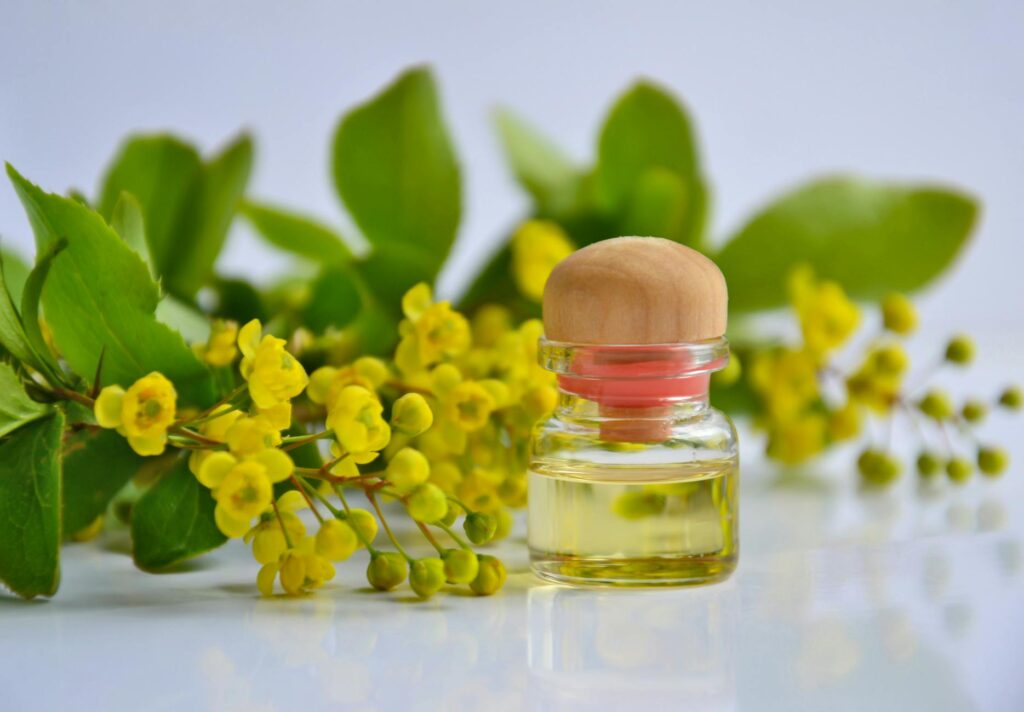
Benefits of Mint Hydrosols
Introduction
Mint hydrosols are gaining popularity in the realm of natural wellness and aromatherapy. Derived from the steam distillation of mint plants, these aromatic waters capture the essence of mint while retaining many of its beneficial properties. Unlike essential oils, which are concentrated and potent, hydrosols are gentler and can be used in a variety of applications, making them accessible to a broader audience. This article explores the nature of mint hydrosols, their benefits, uses, and safety considerations.
What Is Mint Hydrosols?
Mint hydrosols are the byproduct of the steam distillation process used to extract essential oils from mint plants, such as peppermint (Mentha × piperita) and spearmint (Mentha spicata). During this process, steam is passed through the plant material, causing the essential oils to evaporate. As the steam cools and condenses, it separates into two components: the essential oil and the hydrosol. The hydrosol, or floral water, contains water-soluble compounds, trace amounts of essential oils, and active constituents that contribute to its unique properties.
Mint hydrosols possess a fresh, invigorating scent and are often employed for their aromatic, culinary, and therapeutic qualities.
Key Benefits and Properties
Mint hydrosols are valued for their numerous benefits and properties, including:
1. Refreshing Aroma
The invigorating scent of mint hydrosols can uplift the mood, providing a sense of clarity and focus. This refreshing aroma can be beneficial for mental fatigue, helping to energize and revitalize the mind.
2. Cooling Sensation
Mint has a natural cooling effect, making mint hydrosols an excellent choice for soothing skin irritations or sunburn. The hydrosol can provide immediate relief and comfort, especially in warm weather.
3. Antimicrobial Properties
Mint hydrosols may exhibit antimicrobial properties, which can help in maintaining cleanliness and freshness in various settings. These properties make them suitable for use in personal care products and home cleaning solutions.
4. Digestive Support
While mint is commonly associated with digestive health, the gentler nature of hydrosols allows for safe incorporation into digestive wellness routines. The soothing properties may promote relaxation during moments of discomfort, although further research is needed to fully understand these effects.
5. Skin Benefits
The natural astringent properties of mint hydrosols can help tone the skin and reduce the appearance of pores. Additionally, they may assist in calming inflammation and redness, making them a popular choice in skincare formulations.
6. Mood Enhancement
The uplifting aroma of mint hydrosols can enhance mood and promote emotional well-being. They can be helpful during stressful moments, providing a sense of calm and clarity.
Common Uses
Mint hydrosols can be utilized in various ways, serving multiple purposes in everyday life. Some common applications include:
1. Facial Toner
Due to their astringent qualities, mint hydrosols make an excellent facial toner. They can be used after cleansing to refresh the skin and prepare it for moisturizers or serums.
2. Room Spray
The refreshing scent of mint hydrosol can be utilized as a natural air freshener. By adding it to a spray bottle with water, one can create an invigorating room spray to uplift the ambiance.
3. Culinary Uses
Mint hydrosols can enhance culinary creations, adding a subtle mint flavor to beverages, desserts, and savory dishes. They can be used in cocktails, salad dressings, and marinades.
4. Bath Additive
Adding mint hydrosol to bathwater can create a soothing and refreshing experience. The hydrosol can invigorate the senses while providing a gentle cooling effect on the skin.
5. Hair Care
Mint hydrosols can be integrated into hair care routines. They may help cleanse the scalp and add a refreshing scent to hair products, promoting a clean and healthy appearance.
Aromatherapy Applications
In aromatherapy, mint hydrosols can be used in various ways to enhance well-being:
1. Diffusion
While not as potent as essential oils, mint hydrosols can be added to diffusers or nebulizers to disperse their refreshing aroma throughout a space. This can help create an uplifting atmosphere and improve mental clarity.
2. Inhalation
Direct inhalation of mint hydrosol can provide immediate benefits, especially during moments of mental fatigue or stress. A simple spray into the air or on a tissue can be an effective way to harness its invigorating properties.
3. Massage
Mint hydrosols can be diluted with carrier oils for use in massage. The cooling sensation can provide relief to sore muscles and promote relaxation.
Safety Considerations
While mint hydrosols are generally considered safe for most individuals, certain precautions should be taken:
1. Skin Sensitivity
Although mint hydrosols are milder than essential oils, it is good practice to perform a patch test before widespread use on the skin. Individuals with sensitive skin may experience irritation.
2. Avoiding Eyes
Care should be taken to avoid contact with the eyes. If contact occurs, rinse thoroughly with clean water.
3. Pregnancy and Nursing
While mint hydrosols are generally safe, pregnant or nursing individuals should consult with a healthcare professional before use to ensure safety.
4. Allergies
Those with known allergies to mint or related plants should avoid using mint hydrosols. Always check the ingredient list if purchasing commercially prepared products.
Storage and Shelf Life
Proper storage of mint hydrosols is essential to maintain their quality and efficacy:
1. Storage Conditions
Mint hydrosols should be stored in a cool, dark place away from direct sunlight. It is recommended to use dark glass containers to minimize light exposure.
2. Shelf Life
Typically, mint hydrosols have a shelf life of approximately one to two years when stored correctly. Over time, the quality may degrade, and it is advisable to check for any changes in scent or color before use.
Frequently Asked Questions
1. Can I use mint hydrosol for culinary purposes?
Yes, mint hydrosol can be used in culinary applications to enhance flavors in various dishes and beverages. However, it is essential to use high-quality, food-grade hydrosols for safety.
2. How do I know if my mint hydrosol is expired?
Signs of an expired mint hydrosol may include an off smell, discoloration, or sediment formation. If you notice any of these changes, it is advisable to discard the product.
3. Can I mix mint hydrosol with essential oils?
Mint hydrosol can be mixed with essential oils for added benefits, but it is crucial to dilute essential oils properly and perform a patch test before applying them to the skin.
4. Is mint hydrosol safe for children?
Mint hydrosol is generally safe for children when used appropriately. However, it is advisable to consult with a healthcare professional before using it for young children.
5. How can I incorporate mint hydrosol into my skincare routine?
Mint hydrosol can be used as a facial toner, added to masks, or mixed with other skincare products to enhance their benefits.
Conclusion
Mint hydrosols are versatile and beneficial additions to natural wellness practices. Their refreshing aroma, cooling properties, and skin benefits make them an attractive option for those seeking a gentle yet effective natural product. With mindful application and proper storage, mint hydrosols can enhance various aspects of daily life, from skincare routines to culinary creations, while promoting an overall sense of well-being.