
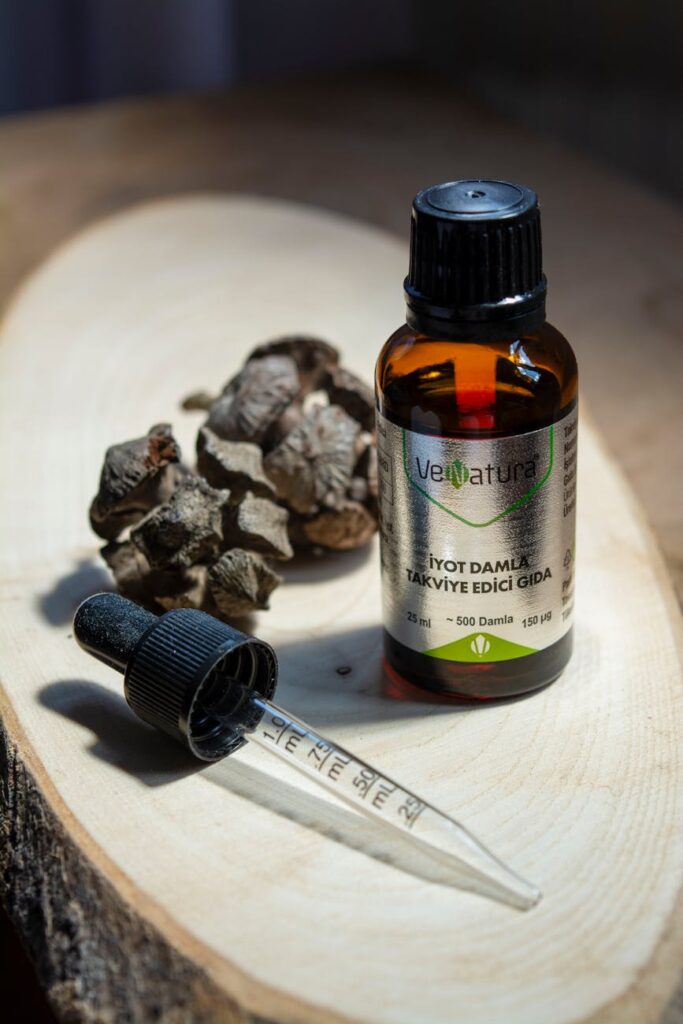
Benefits of Mistletoe Extract
Introduction
Mistletoe, a parasitic plant that grows on various trees and shrubs, has been celebrated for centuries in folklore, particularly around the holiday season. However, beyond its cultural significance, mistletoe extract has garnered attention for its potential health benefits and applications in aromatherapy. This article aims to provide a comprehensive overview of mistletoe extract, its properties, common uses, and safety considerations.
What Is Mistletoe Extract?
Mistletoe extract is derived from the leaves, stems, and berries of the mistletoe plant, primarily from the species Viscum album (European mistletoe) and Phoradendron (American mistletoe). The extract is typically prepared through a process of maceration or infusion, allowing the active compounds within the plant to be released into a carrier liquid, often alcohol or water.
Mistletoe has a long history of use in traditional medicine, particularly in Europe, where it has been utilized for its purported therapeutic properties. The extract contains a variety of bioactive compounds, including flavonoids, viscotoxin, and polysaccharides, which contribute to its effectiveness as a natural remedy.
Key Benefits and Properties
1. Antioxidant Activity
Mistletoe extract is rich in antioxidants, which are compounds that help neutralize free radicals in the body. Free radicals can cause oxidative stress, potentially leading to various health issues. Antioxidants from mistletoe may protect cells and support overall wellness.
2. Immune System Support
Some studies suggest that components in mistletoe extract may help modulate the immune system. It is believed that certain polysaccharides found in mistletoe can enhance immune function, promoting a balanced response to pathogens.
3. Anti-inflammatory Properties
Mistletoe extract has been noted for its potential anti-inflammatory effects. The flavonoids present may inhibit inflammatory pathways, which can be beneficial for those seeking to reduce inflammation in the body.
4. Cardiovascular Health
Some research indicates that mistletoe extract may positively influence cardiovascular health by improving circulation and supporting healthy blood pressure levels. This is attributed to the presence of compounds that may help dilate blood vessels.
5. Stress Relief and Relaxation
The calming effects of mistletoe extract have made it a subject of interest for those looking to manage stress. Its potential to promote relaxation may be linked to its impact on the nervous system, though more research is needed in this area.
Common Uses
Mistletoe extract is utilized in various forms, including tinctures, capsules, and topical applications. Here are some of its common uses:
- Herbal Supplements: Mistletoe extract is often available in capsule or liquid form as a dietary supplement, aimed at promoting overall health and well-being.
- Topical Applications: Some skincare products incorporate mistletoe extract for its antioxidant properties, often marketed as a means to rejuvenate the skin and combat signs of aging.
- Cosmetic Products: Due to its potential skin benefits, mistletoe extract is sometimes included in cosmetics and lotions, particularly those designed for sensitive skin.
- Culinary Uses: In some cultures, mistletoe is used in herbal teas and as a flavoring agent, although caution is advised due to the toxicity of some mistletoe species.
Aromatherapy Applications
In aromatherapy, mistletoe extract is valued for its calming and grounding properties. While not as commonly used as essential oils from other plants, mistletoe can be incorporated into blends and formulations aimed at promoting relaxation and emotional balance.
1. Mood Enhancement
Mistletoe extract can be added to diffuser blends alongside other calming essential oils, such as lavender and chamomile. This combination may help create a serene environment, ideal for meditation or relaxation practices.
2. Bath Soaks
Adding mistletoe extract to bath formulations can enhance the overall experience, as it is believed to promote tranquility and reduce stress levels. The warm water can help to release its beneficial properties while providing a soothing atmosphere.
3. Massage Oils
Incorporating mistletoe extract into massage oils can provide both physical and emotional benefits. The extract may enhance the therapeutic effects of the massage, promoting relaxation and relieving tension.
Safety Considerations
While mistletoe extract is generally considered safe for most people when used appropriately, there are some important safety considerations to keep in mind:
1. Allergies and Sensitivities
Individuals with known allergies to mistletoe or related plants should avoid using mistletoe extract. It is advisable to conduct a patch test when using topical formulations for the first time.
2. Interactions with Medications
Mistletoe extract may interact with certain medications, particularly those affecting blood pressure or blood-thinning medications. It is essential to consult with a healthcare professional before starting any new supplement, especially for those on medication.
3. Avoiding Toxic Species
Some mistletoe species are toxic and can cause adverse effects if ingested. It is crucial to ensure that the extract is derived from a safe variety, such as Viscum album or Phoradendron, and to source products from reputable suppliers.
4. Pregnant and Nursing Women
Due to limited research on the effects of mistletoe extract during pregnancy and breastfeeding, it is advisable for pregnant or nursing women to avoid its use unless under the guidance of a qualified healthcare professional.
Storage and Shelf Life
To maintain the potency and effectiveness of mistletoe extract, it should be stored in a cool, dark place, away from direct sunlight and moisture. Properly sealed containers can help prevent oxidation and degradation.
Shelf Life
The shelf life of mistletoe extract can vary depending on the formulation and storage conditions. Generally, liquid extracts can last anywhere from one to three years, while capsules may have a longer shelf life. Always check the expiration date on the packaging and discard any products that appear discolored or have an unusual odor.
Frequently Asked Questions
1. Is mistletoe extract safe for everyone?
While mistletoe extract is generally safe for most individuals, it is advisable for those with allergies, pregnant or nursing women, and individuals on certain medications to consult a healthcare professional before use.
2. Can I use mistletoe extract topically?
Yes, mistletoe extract can be used in topical formulations. However, it is essential to conduct a patch test to ensure there are no adverse reactions.
3. How should I take mistletoe extract?
Mistletoe extract is commonly available in tincture or capsule form. Follow the manufacturer’s instructions or consult a healthcare professional for guidance on appropriate dosages.
4. Where can I purchase mistletoe extract?
Mistletoe extract can be found at health food stores, herbal shops, and online retailers. Ensure that you purchase from reputable sources to guarantee quality and safety.
5. What other plants can I use for similar benefits?
Other plants known for their antioxidant and anti-inflammatory properties include green tea, turmeric, and elderberry. Each of these has its unique profile, and it may be beneficial to explore various options based on individual health goals.
Conclusion
Mistletoe extract offers a range of potential benefits and applications, from supporting immune health to enhancing emotional well-being through aromatherapy. While it has a rich history of use, it is essential to approach its utilization with caution, particularly regarding safety considerations. As with any herbal supplement, informed choices and responsible sourcing are key to harnessing the benefits of this unique botanical extract.