
Benefits of Mood Enhancing Blends
Introduction
In the quest for emotional well-being, many individuals turn to natural remedies, and one of the most popular options is the use of essential oils in aromatherapy. Mood-enhancing blends are specifically formulated combinations of essential oils designed to uplift, calm, or balance emotions. These blends can play a significant role in enhancing mood, reducing stress, and promoting overall emotional health. This article delves into the concept of mood-enhancing blends, their benefits, common uses, and safety considerations.
What Are Mood Enhancing Blends?
Mood-enhancing blends consist of various essential oils that are selected for their specific aromatherapeutic properties. Essential oils are concentrated extracts derived from plants, capturing their aromatic and therapeutic qualities. When combined thoughtfully, these oils can work synergistically to create a powerful impact on emotional and psychological well-being.
Typical mood-enhancing blends may include oils like:
- Bergamot: Known for its uplifting properties, it can help alleviate feelings of stress and anxiety.
- Lavender: Renowned for its calming effects, it can promote relaxation and tranquility.
- Ylang Ylang: Often associated with feelings of joy and peace, it can help balance emotions.
- Frankincense: Used to encourage grounding and meditation, it can support emotional stability.
These blends can be tailored for various purposes, making them versatile tools in the realm of emotional wellness.
Key Benefits and Properties
1. Stress Reduction
One of the primary benefits of mood-enhancing blends is their ability to alleviate stress. Many essential oils possess calming properties that can help reduce levels of cortisol, the stress hormone. Oils such as chamomile and lavender are particularly known for their ability to soothe nervous tension.
2. Improved Mood
Essential oils can stimulate the limbic system, the part of the brain that regulates emotions. This stimulation can lead to an improvement in mood, fostering feelings of happiness, joy, and contentment. Citrus oils, like lemon and orange, are often used for their uplifting qualities.
3. Enhanced Focus and Clarity
Certain mood-enhancing blends can improve focus and mental clarity. Oils such as rosemary and peppermint can invigorate the mind, making them ideal for use during work or study sessions.
4. Emotional Balance
Emotional balance is crucial for overall well-being. Mood-enhancing blends can help stabilize emotions, making it easier to navigate life’s ups and downs. Oils like geranium and ylang ylang are particularly effective in promoting emotional equilibrium.
5. Support for Sleep
Many mood-enhancing blends can promote restful sleep by calming the mind and body. Essential oils like lavender and chamomile are commonly included in sleep blends to help individuals unwind at the end of the day.
Common Uses
Mood-enhancing blends can be employed in various ways, making them accessible to a broad audience. Some common applications include:
1. Diffusion
Using a diffuser is one of the most popular methods for enjoying the benefits of essential oils. Adding a few drops of a mood-enhancing blend to a diffuser can fill a room with soothing aromas, creating a serene environment.
2. Topical Application
Many individuals choose to apply mood-enhancing blends topically. When diluted with a carrier oil, such as jojoba or sweet almond oil, these blends can be massaged into pressure points, wrists, or temples.
3. Bathing
Adding mood-enhancing blends to bathwater can create a relaxing and rejuvenating experience. Combining essential oils with Epsom salts or a neutral carrier can enhance the bath’s therapeutic effects.
4. Inhalation
Inhaling essential oils directly from the bottle or a cotton ball can provide immediate benefits. This method is often used for quick relief from stress or anxiety.
Aromatherapy Applications
The practice of aromatherapy involves the use of essential oils for therapeutic benefits. Mood-enhancing blends are particularly valuable in this context, as they can be customized for individual needs. Here are some common applications:
1. Workplace Environment
Incorporating mood-enhancing blends into the workplace can foster a more productive and positive atmosphere. Oils such as peppermint or lemon can be diffused to enhance focus, while lavender can help to reduce stress.
2. Home Relaxation
Creating a calming environment at home can significantly improve overall well-being. Diffusing calming blends during evening hours can signal the body that it’s time to unwind, promoting relaxation.
3. Meditation and Yoga
Many practitioners of meditation and yoga use mood-enhancing blends to deepen their practice. Oils like frankincense or sandalwood are often selected for their grounding properties.
4. Emotional Support
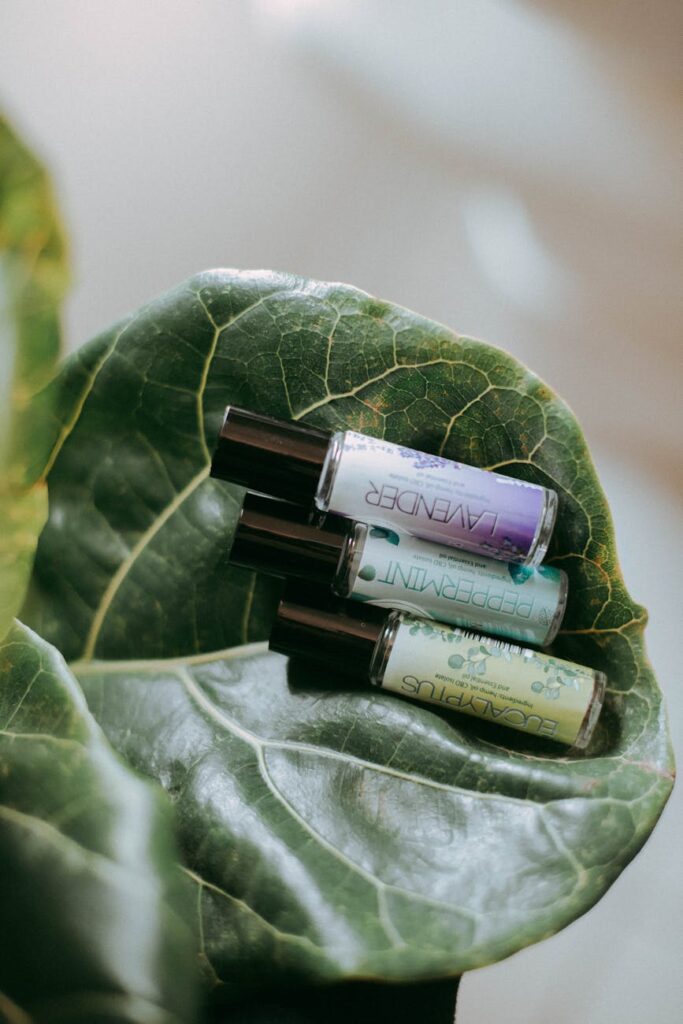
During times of emotional distress or change, mood-enhancing blends can provide a comforting presence. Keeping a roller bottle of a favorite blend on hand can offer quick relief during challenging moments.
Safety Considerations
While mood-enhancing blends can offer numerous benefits, it is crucial to use them safely. Here are some essential safety considerations:
1. Dilution
Essential oils are highly concentrated and should be diluted with a carrier oil before topical application. A general guideline is to use a 2% dilution, which equates to about 12 drops of essential oil per ounce of carrier oil.
2. Allergies and Sensitivities
Individuals may have sensitivities or allergic reactions to certain essential oils. It is advisable to perform a patch test before applying any new blend to the skin. If irritation occurs, discontinue use immediately.
3. Pregnancy and Nursing
Pregnant or nursing individuals should consult a healthcare professional before using essential oils, as some oils may not be advisable during these periods.
4. Children and Pets
Special care should be taken when using essential oils around children and pets. Some oils can be toxic to animals, and children may be more susceptible to irritation. Always research the safety of specific oils before use.
Storage and Shelf Life
Proper storage of essential oils is crucial for maintaining their potency and efficacy. Here are some guidelines:
1. Storage Conditions
Essential oils should be stored in a cool, dark place away from direct sunlight. Amber or cobalt glass bottles are ideal for protecting the oils from light degradation.
2. Shelf Life
The shelf life of essential oils varies depending on the type of oil and storage conditions. Generally, citrus oils have a shorter shelf life of about 1-2 years, while oils like patchouli and sandalwood can last for up to 5 years or more. Regularly check for any changes in scent or consistency, which may indicate that the oil has gone bad.
Frequently Asked Questions
1. Can mood-enhancing blends replace medication?
While mood-enhancing blends can support emotional well-being, they should not be considered a replacement for prescribed medication. Always consult a healthcare professional for advice on any medical conditions.
2. How do I choose the right blend for me?
Selecting the right blend often depends on personal preferences and emotional needs. Experimenting with different oils and blends can help identify what resonates best with you.
3. How long do the effects of mood-enhancing blends last?
The duration of effects can vary based on individual response and the method of use. Diffusing oils may provide effects that last for several hours, while topical application may last longer depending on skin absorption.
4. Are there any contraindications for using mood-enhancing blends?
Yes, certain essential oils may have contraindications based on individual health conditions or medications. It is best to research or consult a professional before using specific oils, particularly for those with pre-existing health issues.
Conclusion
Mood-enhancing blends offer a natural and holistic approach to emotional well-being. By understanding their properties, benefits, and safe applications, individuals can harness the power of essential oils to foster a balanced and uplifting atmosphere. Whether used in daily routines, during moments of stress, or as part of a wellness practice, these aromatic blends can be valuable tools for enhancing mood and promoting emotional health.