
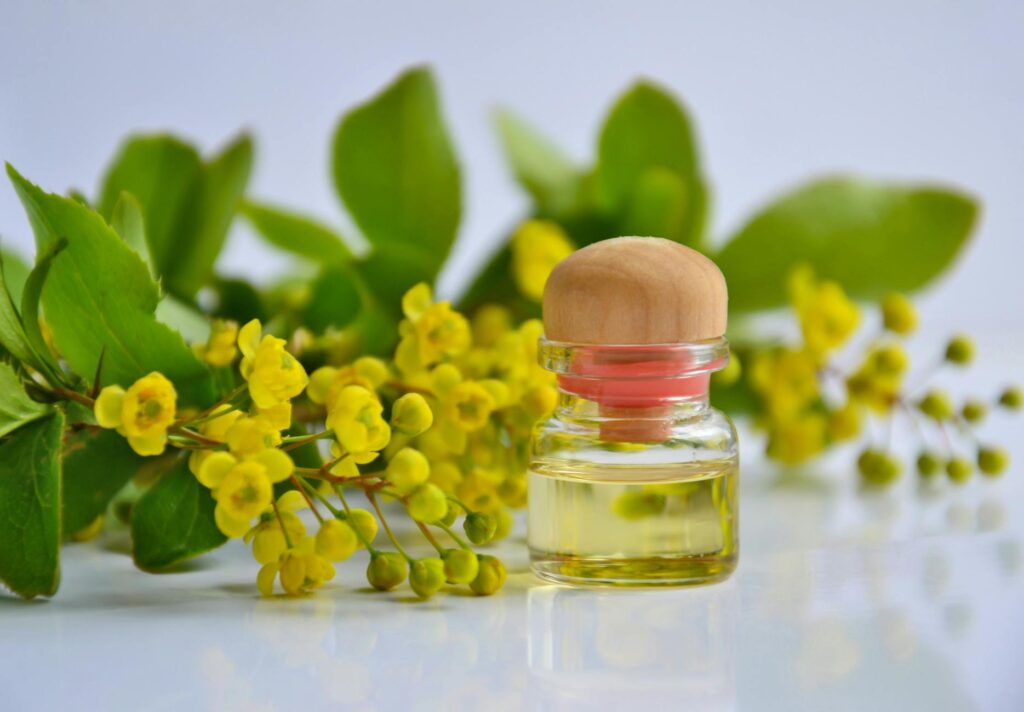
Benefits of Mugwort Extract
Introduction
Mugwort, scientifically known as Artemisia vulgaris, is a perennial herb that has been utilized for centuries in various cultures for its unique properties and benefits. Known for its aromatic qualities, mugwort has become increasingly popular in the fields of herbalism, aromatherapy, and holistic wellness. This article delves into the characteristics, benefits, and common applications of mugwort extract, providing a comprehensive overview for those interested in exploring this intriguing botanical.
What Is Mugwort Extract?
Mugwort is a member of the Asteraceae family and is native to Europe, Asia, and North America. The plant typically grows to a height of 1-2 meters and features jagged, dark green leaves, with small, yellow or purple flowers. The leaves are the most commonly used part of the plant, often harvested for their essential oils and extracts.
Mugwort extract is derived from the leaves of the plant and can be produced through various methods including steam distillation, solvent extraction, or cold pressing. The resulting extract contains a rich profile of essential oils, flavonoids, and other phytochemicals that contribute to its therapeutic properties.
Key Benefits and Properties
Mugwort extract boasts a range of benefits and properties that have made it a subject of interest in herbal and aromatic practices:
1. Digestive Support
Traditionally, mugwort has been used to support digestive health. It is believed to promote digestion and alleviate mild discomforts such as bloating and gas. The extract may stimulate appetite and improve digestive function.
2. Relaxation and Sleep Aid
Mugwort is often associated with promoting relaxation and enhancing sleep quality. It is thought to have mild sedative properties that may help ease anxiety and facilitate restful sleep. Some cultures have even used mugwort to induce vivid dreams.
3. Antioxidant Properties
Mugwort extract contains several antioxidants that help combat oxidative stress. Antioxidants are essential in protecting the body from free radicals, which can contribute to cellular damage and various health concerns.
4. Antimicrobial Activity
Research suggests that mugwort may possess antimicrobial properties, making it a potential agent against certain bacteria and fungi. This characteristic has led to its incorporation into natural remedies and topical applications.
5. Anti-inflammatory Effects
Mugwort extract may exhibit anti-inflammatory properties, which can be beneficial in reducing inflammation in the body. This property is particularly appealing in the context of topical applications for skin irritations.
Common Uses
Mugwort extract can be utilized in various ways, depending on personal preference and intended purpose. Some common applications include:
1. Herbal Teas
Mugwort leaves can be brewed to create herbal teas, which are enjoyed not only for their flavor but also for their potential digestive and relaxing effects.
2. Tinctures and Infusions
Tinctures made from mugwort extract can be taken in small doses to harness its benefits. Infusions can also be made by steeping the leaves in water or alcohol.
3. Essential Oils
The essential oil derived from mugwort is often used in aromatherapy, massage, and skincare products. It can be blended with carrier oils for topical application or diffused for its aromatic properties.
4. Incense and Smudging
In various cultures, mugwort has been used in rituals and ceremonies. Its aromatic qualities make it a popular choice for incense and smudging practices.
Aromatherapy Applications
Mugwort extract’s aromatic properties make it a valuable addition to the practice of aromatherapy. When used in essential oil form, it can be incorporated into various applications:
1. Diffusion
Mugwort essential oil can be added to a diffuser to create a calming atmosphere. Its herbaceous and slightly sweet aroma can promote a sense of tranquility and relaxation.
2. Massage Therapy
When diluted with a carrier oil, mugwort essential oil can be used in massage therapy. Its potential anti-inflammatory and relaxing properties may enhance the overall massage experience.
3. Bath Products
Adding mugwort extract to bath products can create a soothing and aromatic bathing experience. This can be particularly beneficial for relaxation and stress relief.
4. Sleep Aids
Mugwort’s historical association with sleep makes it a popular choice for sleep sprays or pillow mists. Spraying a mixture of mugwort extract and water onto pillows may enhance sleep quality and promote vivid dreams.
Safety Considerations
While mugwort extract is generally regarded as safe for most individuals when used appropriately, there are several considerations to keep in mind:
1. Allergic Reactions
Some individuals may experience allergic reactions to mugwort, particularly those who are sensitive to other plants in the Asteraceae family. It is advisable to conduct a patch test before applying mugwort extract topically.
2. Pregnancy and Breastfeeding
Mugwort is often not recommended for pregnant or breastfeeding women, as its effects on pregnancy have not been extensively studied. Consulting a healthcare professional is advisable in these cases.
3. Medication Interactions
Mugwort may interact with certain medications, particularly those that affect the central nervous system. Individuals taking prescription medications should consult a healthcare provider before using mugwort extract.
4. Dosage and Administration
As with any herbal product, it is important to adhere to recommended dosages. Exceeding the suggested amounts may lead to adverse effects.
Storage and Shelf Life
To maximize the longevity and potency of mugwort extract, proper storage is essential:
1. Cool and Dark Environment
Mugwort extract should be stored in a cool, dark place, away from direct sunlight and heat. This helps preserve its aromatic and therapeutic properties.
2. Sealed Containers
Ensure that the extract is stored in tightly sealed containers to prevent oxidation and contamination.
3. Shelf Life
The shelf life of mugwort extract can vary depending on the extraction method and storage conditions. Generally, properly stored extracts can last for 1-3 years. It is advisable to check for any changes in aroma or appearance before use.
Frequently Asked Questions
1. Can mugwort extract be used topically?
Yes, mugwort extract can be used topically when diluted with a carrier oil. However, it is advisable to conduct a patch test first to check for any allergic reactions.
2. Is mugwort safe for everyone?
Mugwort is not recommended for pregnant or breastfeeding women and those with allergies to plants in the Asteraceae family. Consulting a healthcare professional is advisable if unsure about its safety.
3. How can I incorporate mugwort into my routine?
Mugwort can be incorporated through herbal teas, tinctures, essential oils, or as part of bath products. It can also be used in rituals or smudging practices.
4. What does mugwort smell like?
Mugwort has an herbaceous, slightly sweet aroma that many find calming and relaxing. Its scent can vary slightly depending on the extraction method.
5. Can mugwort help with dreams?
Mugwort has historical associations with dream enhancement and vivid dreaming, making it a popular choice for those seeking to explore their dreams.
Conclusion
Mugwort extract is a versatile botanical with a rich history of use in herbalism and aromatherapy. Its potential benefits encompass a range of applications, from digestive support to relaxation and stress relief. While it offers many advantages, it is essential to approach its use with care, particularly regarding safety considerations and proper storage. As interest in natural remedies continues to grow, mugwort remains a captivating subject for exploration within the realm of essential oils and holistic wellness.