
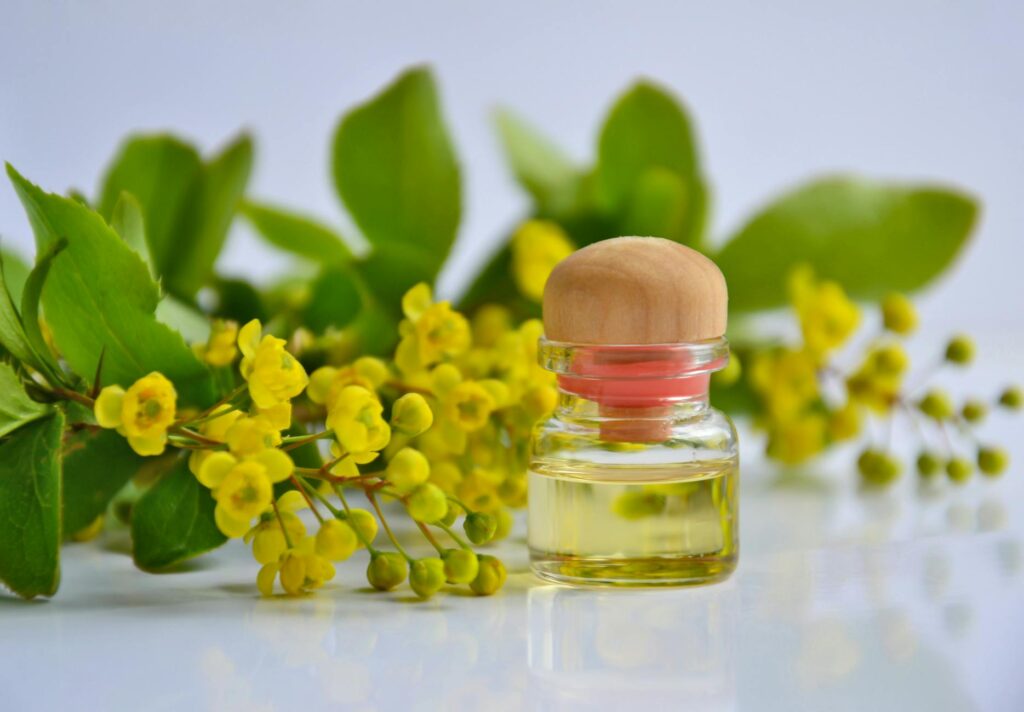
Benefits of Musk Extracts
Introduction
Musk extracts have captivated human interest for centuries, often associated with luxury, sensuality, and a distinct aroma that permeates various facets of culture and tradition. Derived from the glandular secretions of certain animals or synthesized in labs, musk has found its way into perfumery, aromatherapy, and even traditional medicine. This article aims to explore the intricacies of musk extracts, shedding light on their benefits, applications, and safety considerations.
What Is Musk Extracts?
Musk refers to a strong-smelling substance originally obtained from the gland of the male musk deer (Moschus moschiferus). Due to ethical concerns and conservation efforts, natural musk is now largely replaced by synthetic alternatives, known as “musk compounds,” which replicate the characteristic fragrance without the environmental impact.
Musk extracts can be classified into two main categories:
1. Natural Musk: Sourced from animals, primarily the musk deer, although this practice is now highly regulated.
2. Synthetic Musk: Chemically developed compounds that mimic the scent of natural musk. Examples include muscone and various polycyclic musks like galaxolide and tonalide.
Both forms share similar aromatic properties but differ significantly in terms of sourcing, sustainability, and ethical considerations.
Key Benefits and Properties
Musk extracts are often celebrated for their complex scent profile and unique properties. Some of the notable benefits include:
1. Aromatic Qualities
Musk is known for its deep, rich, and earthy scent, often described as warm, sensual, and slightly sweet. This aroma is not just pleasing to the senses; it also serves as a foundation note in perfumery, providing depth and longevity to fragrances.
2. Mood Enhancement
The olfactory properties of musk can have uplifting effects on mood. Many people report feelings of relaxation and tranquility when exposed to musk aromas, making it a popular choice in aromatherapy.
3. Antimicrobial Properties
Some studies suggest that musk extracts may possess antimicrobial properties, which can help inhibit the growth of certain bacteria and fungi. This makes musk beneficial in formulations aimed at enhancing skin health and hygiene.
4. Insect Repellent
Musk has been traditionally used as a natural insect repellent. Its strong scent can help deter various pests, making it a useful ingredient in certain formulations for outdoor use.
5. Emotional Balance
Musk’s grounding properties can assist in emotional balance, often used in practices aimed at reducing stress, anxiety, and promoting a sense of well-being.
Common Uses
Musk extracts find applications across various industries, including:
1. Perfumery
Musk serves as a foundational note in many perfumes, adding depth and richness to fragrance compositions. Its long-lasting properties make it a staple in both high-end and commercial fragrances.
2. Cosmetics
Many cosmetic products incorporate musk for its aromatic qualities and supposed skin-benefiting properties. It can be found in creams, lotions, and even shampoos.
3. Aromatherapy
Musk extracts are often used in essential oil blends for diffusing, massage oils, and personal care products aimed at enhancing mood and relaxation.
4. Incense and Potpourri
Musk’s potent aroma makes it a popular ingredient in incense sticks and potpourri, providing an inviting and calming fragrance for homes.
5. Household Products
Some cleaning products and air fresheners utilize musk extracts for their pleasant scent and potential antimicrobial properties.
Aromatherapy Applications
In aromatherapy, musk extracts can be used in various ways to promote emotional and physical well-being. Some typical applications include:
1. Diffusion
Using a diffuser, musk extracts can be blended with other essential oils to create a calming atmosphere. It can help reduce stress and promote relaxation.
2. Massage Oils
Musk can be incorporated into massage oils, offering both a delightful scent and the potential for emotional grounding during the massage experience.
3. Bath Products
Adding musk extracts to bath salts or oils can create a luxurious bathing experience, enhancing relaxation and mood elevation.
4. Personal Fragrance
Musk can also be applied directly to pulse points or included in homemade perfumes, allowing individuals to enjoy its aromatic benefits throughout the day.
Safety Considerations
While musk extracts are generally considered safe for use, there are some important considerations:
1. Allergic Reactions
Individuals with sensitive skin may experience allergic reactions to musk extracts or the chemicals used in synthetic versions. A patch test is advisable before widespread application.
2. Sensitivity to Scent
Some people may be sensitive to strong scents, which could lead to headaches or nausea. It’s essential to use musk extracts in moderation, especially in shared spaces.
3. Quality and Purity
When purchasing musk extracts, it is vital to choose high-quality products from reputable sources. Synthetic musk compounds can vary widely in formulation and quality.
4. Environmental Concerns
The use of natural musk raises ethical and conservation concerns. Opting for synthetic alternatives helps to mitigate these issues while still enjoying the aromatic benefits.
Storage and Shelf Life
Proper storage is crucial to maintain the quality and longevity of musk extracts:
1. Cool, Dark Place: Store musk extracts in a cool, dark environment to prevent degradation. Exposure to heat and light can alter the scent and effectiveness.
2. Sealed Containers: Keep musk extracts in tightly sealed containers to minimize air exposure, which can lead to oxidation.
3. Check Expiry Dates: Always check for expiry dates or recommended shelf life on products, as the effectiveness may diminish over time.
Frequently Asked Questions
1. Is natural musk still used in products today?
Due to ethical concerns and legal restrictions, natural musk is rarely used in commercial products today. Most musk fragrances are now derived from synthetic sources.
2. Can musk extracts be used in cooking?
Musk extracts are not intended for culinary use and should be reserved for aromatic or topical applications.
3. Are musk extracts safe for pets?
While many musk extracts are safe for human use, they may not be suitable for pets. It is advisable to consult a veterinarian before using any scented products around animals.
4. How do I know if a musk extract is synthetic or natural?
Most commercial products will specify whether the musk is natural or synthetic on the label. If uncertain, consult the retailer or manufacturer for clarification.
5. Can I make my own musk oil at home?
While it is possible to create blends that mimic musk scents using various essential oils, true musk oil extraction requires specialized knowledge and resources.
Conclusion
Musk extracts are a versatile and fascinating component of aromatherapy, perfumery, and personal care. Their rich history and sensory appeal make them a valuable addition to various products and practices. By understanding the benefits, uses, and safety considerations associated with musk extracts, individuals can appreciate their unique qualities while making informed choices. As the world increasingly moves towards sustainability, the continued evolution of musk products—whether natural or synthetic—will play a significant role in shaping the future of fragrance and wellness.