
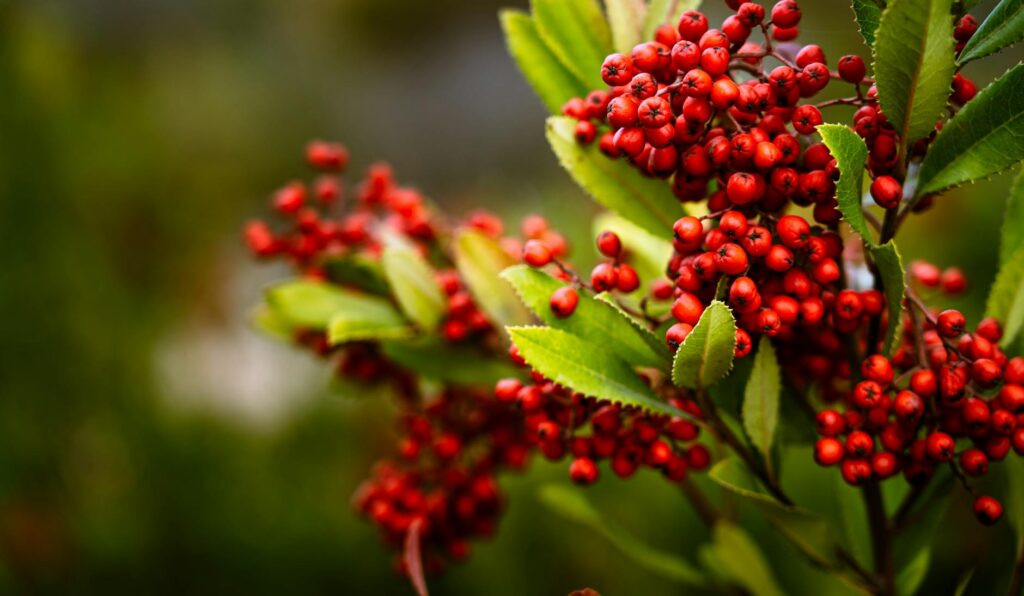
Benefits of Native Edible Berries
Introduction
Native edible berries are an integral part of many ecosystems, offering a variety of nutritional and health benefits. Found in diverse habitats across the globe, these berries have been consumed by indigenous peoples for centuries, both for their flavor and their therapeutic properties. This article aims to explore the definition of native edible berries, their benefits, common uses, and applications in aromatherapy, while also addressing safety considerations and storage tips.
What Is Native Edible Berries?
Native edible berries refer to the small, fleshy fruits produced by plants that are indigenous to a specific region. These berries are often characterized by their vibrant colors and distinctive flavors and can vary widely in appearance and taste depending on their geographical origin. Common examples include blueberries, raspberries, blackberries, and currants, among others.
While many edible berries have been cultivated and hybridized for agricultural purposes, native varieties often retain unique flavor profiles and nutritional values that are different from their domesticated counterparts. The term “native” indicates that these plants have evolved in a particular area, adapting to local environmental conditions, which often enhances their resilience and flavor.
Key Benefits and Properties
Nutritional Value
Native edible berries are rich in essential vitamins, minerals, and antioxidants. Common nutrients found in these berries include:
- Vitamins: Many berries are high in vitamin C, which is crucial for immune function and skin health. They also contain vitamins A and E, which contribute to overall well-being.
- Minerals: Berries provide essential minerals such as potassium, magnesium, and calcium, important for various bodily functions.
- Antioxidants: Native berries are loaded with antioxidants like flavonoids and anthocyanins, which help combat oxidative stress and may reduce the risk of chronic diseases.
- Anti-inflammatory Properties: The high level of antioxidants in berries may help reduce inflammation in the body.
- Heart Health: Some studies suggest that berries can contribute to improved cardiovascular health by supporting healthy blood pressure levels and cholesterol profiles.
- Digestive Health: The fiber content in many berries aids digestion and supports gut health.
- Cognitive Function: Some research indicates that regular consumption of berries may be associated with enhanced cognitive function and memory retention.
- Fresh Consumption: Berries can be eaten fresh as a nutritious snack or added to salads for flavor and texture.
- Baking and Cooking: They are commonly used in desserts such as pies, muffins, and jams, enhancing both taste and nutritional value.
- Beverages: Berries can be used to make smoothies, juices, and herbal teas, offering a delicious way to incorporate their benefits into daily diets.
- Refrigeration: Fresh berries should be stored in the refrigerator, ideally in a breathable container. They can typically last between 3 to 7 days, depending on the type of berry.
- Freezing: For longer storage, berries can be frozen. Wash and dry them thoroughly before placing them in airtight containers or freezer bags. Frozen berries can last for several months.
Health Benefits
While this article does not provide medical advice, many people consume native edible berries for their potential health benefits, which may include:
Common Uses
Native edible berries can be enjoyed in a multitude of ways:
Culinary Applications
Cultural Significance
In many cultures, native berries hold historical significance and are often featured in traditional dishes or rituals. Indigenous peoples have utilized them not only as food but also for ceremonial purposes, showcasing their deep connection to the land.
Aromatherapy Applications
Although berries are primarily known for their culinary uses, certain berries and their derivatives can also be applied in aromatherapy. Essential oils derived from berry plants, such as those from black currants or blueberries, can be utilized for their aromatic properties.
Fragrance
The scent of berry essential oils is often sweet and fruity, making them a popular choice in aromatherapy blends. These fragrances can promote feelings of happiness and relaxation, enhancing the overall atmosphere of a space.
Blending with Other Oils
Berry essential oils can be blended with other essential oils to create synergistic effects. For instance, combining berry oils with citrus or floral notes can produce uplifting and refreshing blends that promote emotional well-being.
Safety Considerations
While native edible berries are generally safe for consumption, it is essential to consider the following safety aspects:
Allergies
Some individuals may be allergic to certain types of berries. It is advisable to introduce new berries gradually into your diet and monitor for any adverse reactions.
Contamination
Wild berries should be harvested with caution, as they may be exposed to pollutants or pesticides. It is crucial to identify the species accurately and ensure they are sourced from clean environments.
Interactions
Although berries are generally safe, individuals taking specific medications or with existing health conditions should consult with a healthcare professional before making significant changes to their diet.
Storage and Shelf Life
Proper storage of native edible berries is essential to maintain their freshness and nutritional value.
Fresh Berries
Dried Berries
Dried native berries, often used in snacks or baking, should be stored in a cool, dark place in airtight containers. They can maintain their quality for up to a year if stored correctly.
Frequently Asked Questions
1. What are the most popular native edible berries?
Some of the most popular native edible berries include blueberries, blackberries, raspberries, cranberries, and strawberries, each with its unique flavor and nutritional profile.
2. How can I identify wild edible berries?
Identifying wild edible berries requires careful observation and knowledge. It is crucial to consult a reliable field guide or an expert in botany before consuming any wild berries, as some can be toxic.
3. Are there any health risks associated with consuming native berries?
While native berries are generally safe, individuals should be cautious of allergies and ensure that they are harvested from clean environments to avoid contamination.
4. Can I use berry essential oils for aromatherapy?
Yes, certain berry essential oils can be used in aromatherapy for their pleasant scents and potential mood-enhancing properties. Always ensure you are using high-quality, pure oils.
5. How can I incorporate native berries into my diet?
Native berries can be added to various dishes, including salads, desserts, smoothies, and breakfast options like yogurt or oatmeal, enriching your meals with their flavor and nutrition.
Conclusion
Native edible berries are not only a delightful addition to culinary practices but also offer a range of nutritional benefits and cultural significance. Understanding their properties, uses, and safety considerations can enhance your appreciation of these natural treasures. Whether enjoyed fresh, dried, or as part of aromatherapy, native berries contribute to both personal health and the ecological balance of the environments they inhabit.