
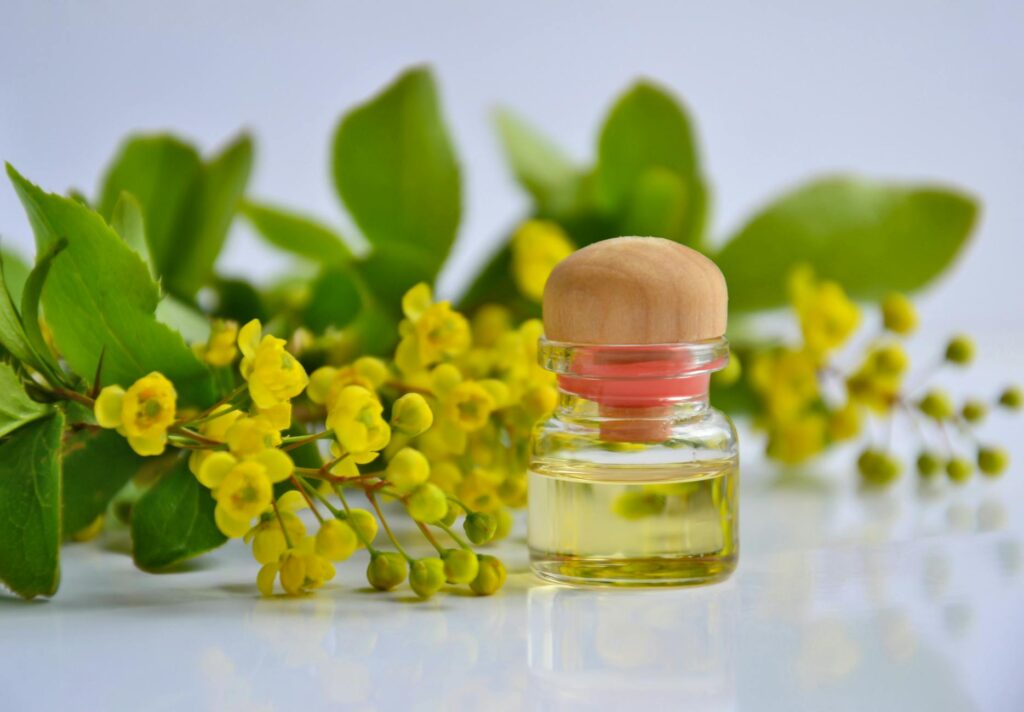
Benefits of Native Edible Fruits
Introduction
Native edible fruits have been integral to the diets of indigenous cultures around the world for centuries. These fruits, which grow naturally in specific regions, are often rich in nutrients and are deeply embedded in the local ecology and culture. Understanding the benefits and properties of these fruits can enhance not only our diets but also our appreciation of biodiversity and sustainable living. This article explores the definition, benefits, common uses, and considerations surrounding native edible fruits.
What Are Native Edible Fruits?
Native edible fruits are those that grow naturally in a specific geographical area and have been historically consumed by the local population. These fruits differ from introduced or exotic varieties, which are not indigenous to the region. Examples include the acai berry in the Amazon, the pawpaw in North America, and the kakadu plum in Australia.
These fruits are not merely food sources; they often play a role in traditional practices and local economies. They are typically well-adapted to their environments, making them resilient and often easier to cultivate sustainably than non-native species.
Key Benefits and Properties
Nutritional Value
Native edible fruits are often rich in vitamins, minerals, and antioxidants. For instance:
- Vitamin C: Many native fruits are high in vitamin C, supporting immune function and skin health.
- Antioxidants: Fruits like the elderberry and bilberry are known for their high antioxidant content, which helps combat oxidative stress and inflammation.
- Fiber: Many native fruits are good sources of dietary fiber, aiding digestion and promoting a healthy gut.
- Fresh Consumption: Many are delicious when eaten raw. For example, the prickly pear can be sliced and eaten fresh, while the pawpaw is often enjoyed as a creamy fruit.
- Preservation: These fruits can be made into jams, jellies, and preserves, allowing for year-round enjoyment.
- Beverages: Some native fruits, like the hibiscus flower, are often used to make teas and beverages, celebrated for their flavor and health benefits.
- Cooking Ingredients: Fruits like the chokecherry can be used in marinades or sauces, adding unique flavors to dishes.
- Essential Oils: Some native fruits, like citrus varieties, yield essential oils that can be used in diffusers or topical applications.
- Infusions: Fruit-infused oils can be created by steeping the fruit in carrier oils. These infusions can then be used for massage or in skin care formulations, capitalizing on the natural scents and potential skin benefits.
- Refrigeration: Many fruits benefit from refrigeration, which can extend their freshness.
- Drying: Dehydrating native fruits is an effective way to preserve them for long-term storage. Dried fruits can be stored in airtight containers in a cool, dark place.
- Freezing: Many fruits can also be frozen, preserving their nutritional content and flavor. It is advisable to wash and cut them before freezing for easier use later.
Environmental Benefits
1. Biodiversity: Cultivating native fruits contributes to the preservation of local ecosystems. These fruits often support local wildlife and pollinators, ensuring ecological balance.
2. Sustainability: Native fruits typically require fewer resources, such as water and fertilizers, than non-native varieties, making them more sustainable choices for agriculture.
3. Resilience to Climate Change: Many native species have adapted to local climatic conditions, making them more resilient to environmental changes, pests, and diseases.
Cultural Significance
Native fruits often carry cultural importance, representing traditional knowledge and practices. They can be integral to celebrations, rituals, and local cuisine, fostering a sense of identity and community among indigenous populations.
Common Uses
Culinary Applications
Native edible fruits can be utilized in a variety of culinary contexts:
Nutritional Supplements
With increasing interest in health and wellness, many native fruits are being processed into supplements, powders, and extracts. For instance, the acai berry is often found in smoothie bowls and health bars, lauded for its nutrient density.
Aromatherapy Applications
While native edible fruits are primarily recognized for their nutritional benefits, some of these fruits also have aromatic properties that can be harnessed in aromatherapy. Essential oils derived from certain fruits can be used to enhance mood, promote relaxation, or invigorate the senses.
Extraction and Use
Aromatic Profiles
The aromatic profiles of native fruits can vary widely, from the sweet and tangy notes of citrus fruits to the earthy and spicy scents of more obscure varieties. The diversity allows for creative blending in aromatherapy formulations.
Safety Considerations
While native edible fruits are generally safe for consumption, certain considerations should be kept in mind:
1. Allergies: Individuals may have allergies or sensitivities to specific fruits. It is advisable to introduce new fruits gradually and monitor for any adverse reactions.
2. Cultural Practices: Some native fruits may have traditional preparation methods that enhance safety or palatability. For example, certain fruits might require cooking to neutralize toxins or improve digestibility.
3. Sourcing: It’s essential to source native fruits from reliable producers to ensure they are free from pesticides or contaminants, especially when foraging in the wild.
Storage and Shelf Life
Fresh Fruits
Fresh native edible fruits typically have a limited shelf life due to their natural composition. Here are some general storage guidelines:
Processed Products
Processed products such as jams, jellies, and juices often have longer shelf lives but should still be stored according to the manufacturer’s recommendations. Always check for signs of spoilage before consumption.
Frequently Asked Questions
1. Are all native edible fruits safe to eat?
While most native edible fruits are safe, some may have toxic varieties or require specific preparation. Always consult local guidelines and, if unsure, seek advice from knowledgeable sources.
2. Where can I find native edible fruits?
Native fruits can often be found at local farmers’ markets, specialty grocery stores, or through foraging (with proper guidance). Many online retailers also offer native fruit products.
3. Can I grow native edible fruits in my garden?
Yes, many native fruits can be cultivated in home gardens, depending on your region’s climate and soil conditions. Research local varieties that are well-suited to your environment for the best results.
4. How can I incorporate native edible fruits into my diet?
Incorporating native fruits into your diet can be as simple as adding them to smoothies, salads, or desserts. You can also experiment with making jams, sauces, or herbal teas using these fruits.
5. Are there any specific health benefits associated with native edible fruits?
While native edible fruits are often rich in nutrients, it is essential to remember that individual benefits can vary. A balanced diet that includes a variety of foods is the best approach for overall health.
Conclusion
Native edible fruits represent a wealth of nutritional, cultural, and ecological benefits. By understanding and appreciating these fruits, we can enhance our diets, support sustainable practices, and foster a deeper connection to our local environments. Whether enjoyed fresh, preserved, or used in aromatherapy, native fruits offer a unique taste of nature’s bounty that enriches our lives.