
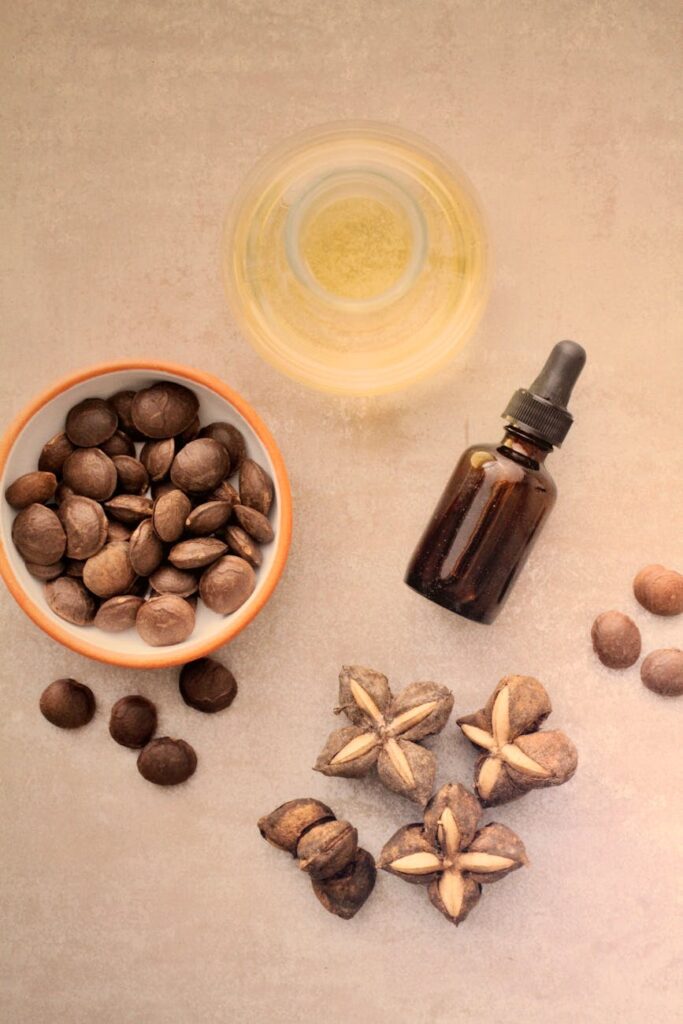
Benefits of Native Edible Nuts
Introduction
Native edible nuts are not just delicious snacks; they are also a vital component of many ecosystems and cultural traditions. These nuts are naturally found in specific regions and have been consumed by indigenous populations for centuries. Rich in nutrients, they offer a plethora of health benefits and culinary uses. This article explores the characteristics, benefits, and applications of native edible nuts, providing a comprehensive overview for those interested in enhancing their diets and lifestyles.
What Is Native Edible Nuts?
Native edible nuts refer to the nuts that are indigenous to a particular region and are suitable for human consumption. These nuts are typically harvested from trees or shrubs that have adapted to the local climate and soil conditions. Examples include acorns, chestnuts, pecans, and hickory nuts, among others. Each type of nut has its unique flavor profile, texture, and nutritional composition, making them valuable in various culinary applications.
Classification of Native Edible Nuts
Native edible nuts can be classified into two main categories:
1. Hard-Shelled Nuts: These include varieties like acorns and chestnuts, which require some preparation for consumption. They typically have a tough outer shell that protects the edible kernel inside.
2. Soft-Shelled Nuts: Examples include pecans and walnuts, which are easier to crack open and consume. These nuts often have a softer texture and can be eaten raw or roasted.
Key Benefits and Properties
Native edible nuts are packed with essential nutrients, making them a valuable addition to a balanced diet. Below are some key benefits and nutritional properties:
Nutritional Profile
- Healthy Fats: Most native edible nuts are high in monounsaturated and polyunsaturated fats, which are beneficial for heart health.
- Protein: Nuts are an excellent source of plant-based protein, making them a favorable option for vegetarians and vegans.
- Vitamins and Minerals: They are rich in essential vitamins such as vitamin E, B vitamins, and minerals like magnesium, potassium, and zinc.
- Antioxidants: Many nuts contain antioxidants, which help combat oxidative stress and inflammation in the body.
- Snacking: Nuts can be enjoyed raw, roasted, or spiced for a nutritious snack.
- Baking: They are often added to baked goods such as cookies, cakes, and breads for added flavor and texture.
- Salads and Dishes: Chopped nuts can enhance the flavor of salads, stir-fries, and grain dishes, providing a delightful crunch.
- Nut Butters: Many edible nuts can be ground into nut butter, offering a creamy spread for toast, smoothies, or baked goods.
- Cool, Dry Place: Store nuts in a cool, dry environment, away from direct sunlight to prevent rancidity.
- Airtight Containers: Use airtight containers to keep nuts fresh and protect them from moisture and pests.
- Raw Nuts: Typically last for about six months if stored properly.
- Roasted Nuts: Generally have a shorter shelf life, lasting about three to four months.
Health Benefits
1. Heart Health: Regular consumption of nuts has been linked to lower cholesterol levels and improved cardiovascular health.
2. Weight Management: Despite their calorie density, nuts can aid in weight management due to their satiating properties, helping control hunger.
3. Blood Sugar Control: Some studies suggest that nuts may help regulate blood sugar levels, making them a suitable snack for those managing diabetes.
4. Bone Health: The minerals found in nuts, particularly calcium and magnesium, play a crucial role in maintaining bone health.
Common Uses
Native edible nuts are versatile ingredients used in various culinary applications. Here are some common ways to incorporate them into your diet:
Culinary Uses
Cultural Uses
In many indigenous cultures, native edible nuts hold significant cultural importance. They are often used in traditional dishes, rituals, and celebrations, reflecting the deep connection between people and their local environment.
Aromatherapy Applications
While the primary focus of native edible nuts is culinary, some nuts also find their way into the world of aromatherapy. The oils extracted from certain nuts can be used for their aromatic properties:
Essential Oils
1. Nut Oils: Oils such as walnut oil and pecan oil can be used in aromatherapy blends, often valued for their nutty aroma and moisturizing properties.
2. Carrier Oils: Nut oils can serve as excellent carrier oils for diluting essential oils, facilitating their application in massage and skin care.
Aromatic Benefits
The nutty aromas can evoke feelings of warmth and comfort, making them suitable for use in diffusers or bath products. However, it is essential to ensure that any nut oil used in aromatherapy is sourced from reputable suppliers to avoid contamination and allergic reactions.
Safety Considerations
When incorporating native edible nuts into your diet or aromatherapy practices, it is essential to consider the following safety aspects:
Allergies
Nuts are among the most common food allergens. Individuals with nut allergies should avoid consuming any nuts and may also need to be cautious with nut oils in aromatherapy applications.
Preparation
Some native edible nuts, like acorns, require proper preparation to remove toxins before consumption. Always research the specific nut and its preparation methods to ensure safety.
Consult a Specialist
If you are unsure about the safety or preparation of a particular nut, consult a nutritionist or a culinary expert for guidance.
Storage and Shelf Life
Proper storage is crucial for maintaining the freshness and flavor of native edible nuts. Here are some tips:
Storage Guidelines
Shelf Life
For long-term storage, consider freezing nuts, which can extend their shelf life for up to a year or more.
Frequently Asked Questions
1. Are all native edible nuts safe to eat?
While many native edible nuts are safe for consumption, some require specific preparation to remove toxins. Always research the preparation methods for a particular nut.
2. How can I incorporate native edible nuts into my diet?
Native edible nuts can be enjoyed in various ways, including snacking, baking, and adding to salads and dishes. Experiment with different recipes to find your favorites.
3. What are the best storage methods for nuts?
Store nuts in a cool, dry place in airtight containers to maintain their freshness. For long-term storage, consider freezing them.
4. Can I use nut oils in aromatherapy?
Yes, some nut oils can be used in aromatherapy, either as essential oils or as carrier oils. Ensure you are not allergic to the nut before using its oil.
5. How can I tell if nuts have gone bad?
Signs that nuts have gone bad include an off smell, rancid taste, or changes in texture. If you notice any of these signs, it is best to discard the nuts.
Conclusion
Native edible nuts are a fantastic addition to a healthy diet, offering a unique combination of flavor, nutrition, and cultural significance. With their numerous health benefits and versatile uses in culinary and aromatic applications, these nuts deserve a place in your pantry. By understanding their properties, benefits, and safe practices, you can enjoy all that native edible nuts have to offer.