
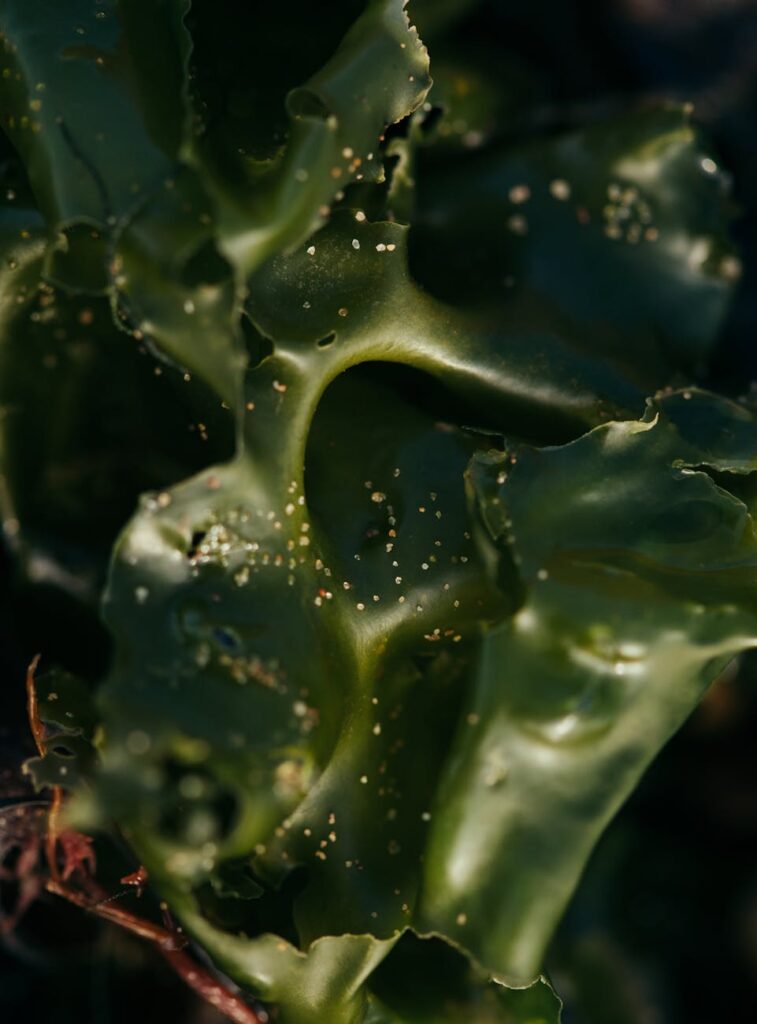
Benefits of Native Edible Seaweeds
Introduction
Native edible seaweeds have long been a staple in various cultures, particularly in coastal communities, where they are celebrated for their nutritional value and culinary versatility. Known for their rich mineral content and unique flavors, these marine plants are increasingly recognized for their potential benefits in modern diets. This article delves into the various aspects of native edible seaweeds, highlighting their properties, uses, and applications, particularly in the realm of aromatherapy.
What Are Native Edible Seaweeds?
Native edible seaweeds encompass a diverse group of marine algae commonly found in coastal waters. These seaweeds can be classified into three main categories: green algae (Chlorophyta), brown algae (Phaeophyceae), and red algae (Rhodophyta). Each type exhibits distinct characteristics, including flavor, texture, and nutritional profiles.
Common examples of native edible seaweeds include:
- Nori (Porphyra spp.): Often associated with sushi, this red algae is known for its delicate flavor.
- Kombu (Laminaria spp.): A type of brown algae rich in umami flavor, commonly used in broths and soups.
- Dulse (Palmaria palmata): A red seaweed with a robust flavor, often enjoyed as a snack or seasoning.
- Wakame (Undaria pinnatifida): A popular ingredient in miso soup and salads, this brown algae offers a mild taste.
These seaweeds are harvested from ocean environments, often through sustainable practices, and are available in various forms, including dried, fresh, and powdered.
Key Benefits and Properties
Native edible seaweeds are packed with essential nutrients and bioactive compounds, making them a valuable addition to the diet. The key benefits and properties include:
Nutritional Content
1. Vitamins and Minerals: Seaweeds are rich in vitamins A, C, E, and K, as well as essential minerals such as iodine, calcium, magnesium, potassium, and iron. These nutrients support overall health and well-being.
2. Dietary Fiber: The high fiber content in seaweeds aids digestion and promotes gut health. Fiber also helps in maintaining a healthy weight by providing a feeling of fullness.
3. Protein: Certain types of seaweeds contain significant amounts of protein, making them a good plant-based protein source for vegetarians and vegans.
Antioxidant Properties
Seaweeds are known for their antioxidant content, which can help combat oxidative stress in the body. Antioxidants protect cells from damage caused by free radicals, potentially reducing the risk of chronic diseases.
Anti-Inflammatory Effects
Some studies suggest that compounds found in seaweeds may exhibit anti-inflammatory properties, which can benefit overall health and well-being.
Common Uses
Native edible seaweeds have a variety of culinary applications, making them a versatile ingredient in many cuisines. Common uses include:
1. Culinary Additives: Seaweeds are often used as flavor enhancers in soups, salads, and stews. Kombu, for instance, is a key ingredient in dashi, a traditional Japanese broth.
2. Snacking: Dried seaweeds like nori and dulse can be enjoyed as healthy snacks, often seasoned with various spices to enhance flavor.
3. Garnishing: Seaweeds can serve as an attractive garnish for a range of dishes, adding both visual appeal and flavor.
4. Smoothies and Powders: Ground seaweeds can be added to smoothies or used as a natural thickener in various recipes, providing an additional nutrient boost.
Aromatherapy Applications
While native edible seaweeds are primarily known for their culinary uses, they also have applications in aromatherapy, particularly through their essential oils and extracts. Some benefits include:
Calming Effects
Certain seaweed extracts may have calming properties, making them suitable for use in aromatherapy blends aimed at promoting relaxation and reducing stress.
Skin Care
Seaweed extracts are commonly found in skincare products due to their hydrating and nourishing qualities. They can help maintain skin elasticity and provide essential nutrients.
Fragrance
The natural scent of seaweeds can be harnessed in aromatherapy products to create unique fragrances reminiscent of the ocean. This can evoke feelings of tranquility and connection to nature.
Safety Considerations
While native edible seaweeds offer numerous benefits, it is essential to consider safety aspects when incorporating them into the diet or using them in aromatherapy:
1. Iodine Content: Seaweeds are typically high in iodine, which is essential for thyroid function. However, excessive iodine intake may lead to thyroid dysfunction. Individuals with thyroid conditions should consult a healthcare professional before consuming large amounts of seaweeds.
2. Allergic Reactions: Some individuals may have allergies to specific types of seaweeds. It is advisable to start with small amounts and monitor for any adverse reactions.
3. Contaminants: Seaweeds can absorb heavy metals and other contaminants from their environment. Ensure that the seaweeds you purchase come from reputable sources that adhere to safety standards.
Storage and Shelf Life
Proper storage is crucial to maintaining the quality and safety of native edible seaweeds:
1. Dried Seaweeds: Store in a cool, dry place in an airtight container to prevent moisture absorption. Dried seaweeds typically have a long shelf life, often lasting up to a year or more when stored correctly.
2. Fresh Seaweeds: Fresh seaweeds should be refrigerated and consumed within a few days for optimal freshness.
3. Powdered Seaweeds: Store powdered seaweeds in airtight containers away from light and heat to preserve their nutritional properties.
Frequently Asked Questions
1. Are native edible seaweeds safe to eat?
Yes, native edible seaweeds are generally safe to eat, provided they are sourced from reputable suppliers and consumed in moderation. Always consult a healthcare professional if you have specific health concerns.
2. How can I incorporate seaweeds into my diet?
Seaweeds can be added to soups, salads, smoothies, or enjoyed as snacks. Experiment with various forms, such as dried, fresh, or powdered, to discover your preferences.
3. Can seaweeds be used in skincare?
Yes, many skincare products incorporate seaweed extracts due to their hydrating and nourishing properties. Always conduct a patch test to check for any allergic reactions.
4. Do native edible seaweeds have any environmental benefits?
Yes, seaweeds play an essential role in marine ecosystems by providing habitat and food for various marine organisms. Additionally, they can contribute to carbon sequestration and help mitigate climate change.
5. Where can I buy native edible seaweeds?
Native edible seaweeds can be found in health food stores, specialty grocery stores, and online retailers. Ensure that you choose products from reputable sources for the best quality.
Conclusion
Native edible seaweeds are a treasure trove of nutrition and flavor, offering numerous benefits for health and culinary applications. Their versatility extends beyond the kitchen into the realm of aromatherapy, making them a valuable addition to various forms of wellness. With proper understanding and usage, native edible seaweeds can enrich both diets and lifestyles, connecting individuals to the bounteous offerings of the ocean.