
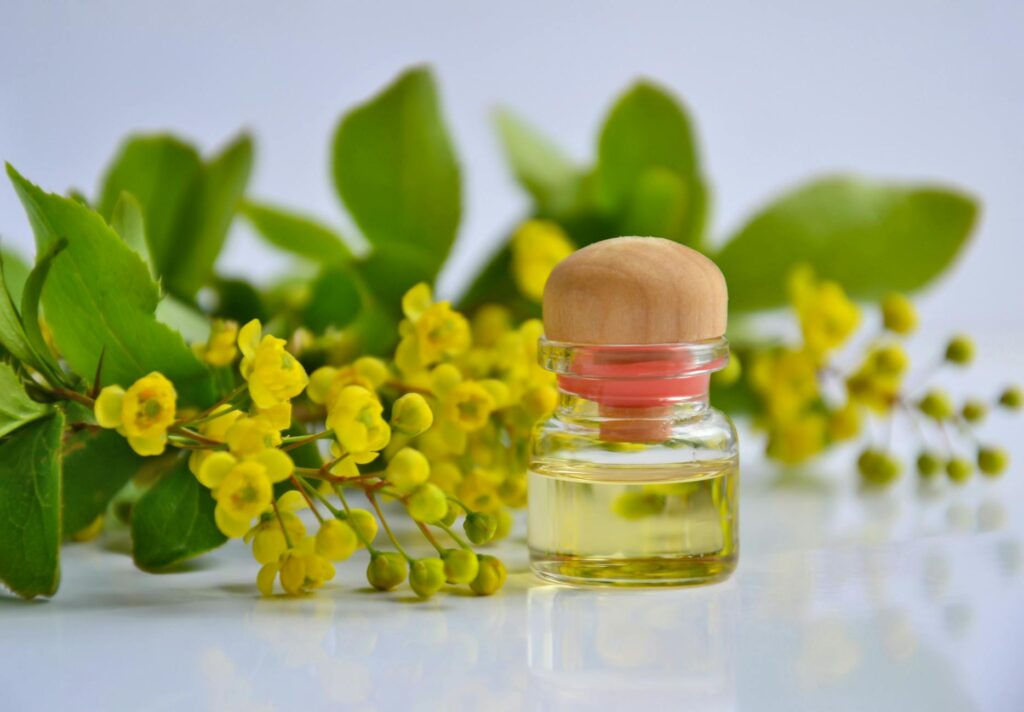
Benefits of Native Medicinal Trees
Introduction
Native medicinal trees have played a significant role in traditional healing practices across cultures for centuries. These trees, adapted to their local environments, provide a wealth of resources, including essential oils, bark, leaves, and fruits, which have been utilized for their therapeutic properties. Understanding the benefits of these trees not only enriches our knowledge of natural medicine but also promotes biodiversity and conservation efforts.
What Are Native Medicinal Trees?
Native medicinal trees are species that are indigenous to a specific region and have been historically used by local populations for their healing properties. These trees are typically well-integrated into the ecosystem, providing habitat for wildlife and contributing to soil health and biodiversity. Their medicinal applications can range from treating minor ailments to playing roles in more complex health rituals.
Key characteristics of these trees include:
- Adaptation to Local Climate: Native species are well-suited to their environments, making them resilient and sustainable.
- Cultural Significance: Many native trees carry cultural and spiritual meanings, often featured in traditional stories and practices.
- Biodiversity Support: They contribute to the health of local ecosystems by supporting a variety of flora and fauna.
- Eucalyptus: Known for its respiratory benefits, eucalyptus leaves have been traditionally used to alleviate coughs and colds.
- Tea Tree: The oil derived from tea tree leaves is celebrated for its antiseptic qualities.
- Cedarwood Oil: Often used for its calming effects and potential to repel insects.
- Pine Oil: Known for its refreshing scent and respiratory benefits.
- Willow Bark: Traditionally used for its analgesic properties, willow bark is often brewed into a tea.
- Acacia: The gum of acacia trees has been used as a soothing agent for digestive issues.
- Eucalyptus oil can enhance respiratory health and clear sinuses.
- Frankincense, derived from Boswellia trees, is often used for meditation and stress relief.
- Cool, Dark Place: Essential oils should be stored in dark glass bottles in a cool, dark environment to prevent degradation from light and heat.
- Tightly Sealed: Ensure that bottles are tightly sealed to prevent oxidation.
- Citrus Oils: About 1-2 years.
- Wood Oils (like Cedarwood): Approximately 3-4 years.
- Resin Oils (like Frankincense): Can last up to 5 years or more.
Key Benefits and Properties
The benefits of native medicinal trees are diverse, encompassing a range of physical, emotional, and environmental advantages:
1. Therapeutic Properties
Many native trees possess compounds that exhibit anti-inflammatory, antimicrobial, and antioxidant properties. For example:
2. Cultural Heritage
The use of native trees in traditional medicine often reflects a deep understanding of local ecosystems and natural remedies. This knowledge is passed down through generations, contributing to cultural identity and community cohesion.
3. Environmental Benefits
Native trees play a crucial role in maintaining ecological balance. They help prevent soil erosion, improve air and water quality, and provide habitats for various species. Their presence in an ecosystem promotes biodiversity, which is vital for resilience against climate change.
4. Sustainable Resources
Using native trees for medicinal purposes can be more sustainable than relying on non-native species. Harvesting practices can be managed to ensure the longevity of the trees and their ecosystems, supporting local economies and communities.
Common Uses
Native medicinal trees are utilized in various ways, reflecting their versatility and significance:
1. Essential Oils
Essential oils derived from native trees are employed in aromatherapy and natural health practices. Common examples include:
2. Herbal Remedies
The leaves, bark, and roots of native trees can be prepared as teas, tinctures, or poultices. For instance:
3. Cultural Practices
Many indigenous communities incorporate native trees into rituals and ceremonies, utilizing their properties for spiritual and emotional healing.
Aromatherapy Applications
Aromatherapy harnesses the aromatic properties of essential oils extracted from native medicinal trees. These oils can influence mood and well-being. Common applications include:
1. Diffusion
Essential oils can be diffused into the air to promote relaxation or invigoration, depending on the oil used. For example:
2. Topical Application
When diluted with carrier oils, essential oils from native trees can be applied to the skin for localized benefits. Always ensure proper dilution and conduct a patch test to avoid adverse reactions.
3. Bathing
Adding essential oils to baths can enhance relaxation and deliver aromatherapy benefits. Oils such as lavender, derived from native plants in certain regions, are known for promoting calmness.
Safety Considerations
While native medicinal trees offer numerous benefits, it is essential to approach their use with caution:
1. Allergies and Sensitivities
Individuals may have allergies or sensitivities to certain essential oils. It is advisable to perform a patch test before widespread use.
2. Dilution
Essential oils should be diluted with a carrier oil to minimize skin irritation. Common carrier oils include coconut, jojoba, and sweet almond oil.
3. Sourcing
Ensure that essential oils and herbal products are sourced sustainably and ethically. Overharvesting can threaten native species and their ecosystems.
Storage and Shelf Life
Proper storage of essential oils and herbal products is crucial for maintaining their efficacy:
1. Storage Conditions
2. Shelf Life
The shelf life of essential oils varies based on the type of oil and storage conditions. Generally:
Frequently Asked Questions
1. Are all native trees medicinal?
Not all native trees possess medicinal properties. Each species varies in its potential uses and benefits, and further research is necessary to validate their efficacy.
2. How do I know if a tree is native to my region?
Consult local botanical gardens, universities, or online databases specific to your region’s flora. Field guides can also be invaluable resources.
3. Can I use essential oils from native trees safely?
Yes, but it is essential to practice safe usage methods, including dilution and patch testing. Consult reputable sources for guidelines on specific oils.
4. How can I learn more about native medicinal trees?
Explore local libraries, botanical gardens, and universities that focus on ethnobotany and traditional medicine. Workshops and community classes often provide hands-on learning opportunities.
5. What is the best way to harvest from native trees?
If you wish to harvest from native trees, ensure you do so sustainably. Follow guidelines that promote conservation, such as taking only what you need and ensuring the health of the tree and ecosystem.
Conclusion
The benefits of native medicinal trees extend far beyond their medicinal properties. They represent a harmonious relationship between nature and culture, providing essential resources for health and well-being while promoting ecological balance. By understanding and respecting these trees, we can foster a deeper appreciation for the natural world and its contributions to human health, sustainability, and biodiversity.