
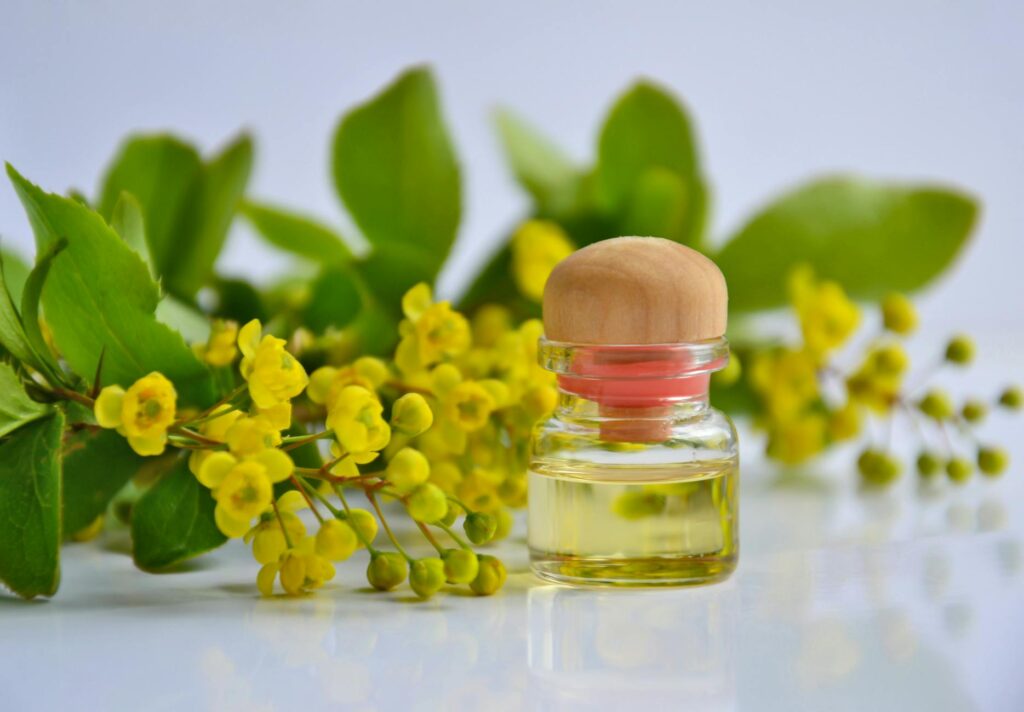
Benefits of Native Medicinal Vines
Introduction
The world of plants is rich and diverse, with many species offering unique benefits and applications. Among these, native medicinal vines hold a special place due to their historical significance and varied uses. These plants, often underappreciated, have been utilized by indigenous cultures for centuries for their therapeutic properties. This article will explore the characteristics, benefits, and applications of native medicinal vines, shedding light on their importance in both traditional and modern contexts.
What Is Native Medicinal Vines?
Native medicinal vines refer to climbing plants that are indigenous to specific regions and have been recognized for their healing properties. These vines can be found in various habitats, from dense forests to open grasslands, and they often exhibit a range of medicinal benefits. The term “medicinal” indicates that these plants have been used for health-related purposes, including but not limited to herbal remedies, teas, and topical applications.
The classification of a vine as “native” typically depends on its geographical origin. For example, plants native to North America may differ significantly from those endemic to the Amazon rainforest or the Mediterranean region. This geographical diversity contributes to a wide array of phytochemicals and active compounds present in these vines.
Key Benefits and Properties
Native medicinal vines are valued for their numerous health benefits, which may include:
1. Antioxidant Properties
Many native medicinal vines contain high levels of antioxidants, compounds that help combat oxidative stress by neutralizing free radicals in the body. This property is particularly important in reducing the risk of chronic diseases.
2. Anti-inflammatory Effects
Several species exhibit anti-inflammatory characteristics, making them useful in managing conditions related to inflammation. This can be beneficial for individuals dealing with chronic pain or other inflammatory ailments.
3. Antimicrobial Activity
Certain native vines have been found to possess antimicrobial properties, which can help combat infections caused by bacteria, viruses, and fungi. This makes them valuable in both traditional medicine and contemporary applications.
4. Adaptogenic Qualities
Some medicinal vines are considered adaptogens, meaning they can help the body adapt to stress and maintain homeostasis. These plants may support mental clarity and emotional balance.
5. Nutritional Benefits
In addition to their medicinal properties, many native vines are rich in vitamins, minerals, and other nutrients. They may provide essential nutrients that contribute to overall health and well-being.
Common Uses
The uses of native medicinal vines are varied and can be categorized into several common applications:
1. Herbal Remedies
Many native vines are used to prepare herbal remedies, including teas, tinctures, and extracts. These remedies are often utilized for their therapeutic properties, addressing a range of health issues.
2. Topical Applications
Some vines can be applied directly to the skin in the form of poultices, salves, or oils. These applications are typically used for localized issues such as skin irritations, wounds, or inflammation.
3. Culinary Uses
Certain native vines produce edible parts, such as leaves, flowers, or fruit. These can be incorporated into various dishes, providing not only flavor but also nutritional benefits.
4. Cultural Practices
In many indigenous cultures, native medicinal vines are integral to traditional healing practices, rituals, and ceremonies. They are often used in spiritual contexts or as symbols of cultural identity.
Aromatherapy Applications
Aromatherapy is a holistic practice that utilizes essential oils and plant extracts for therapeutic purposes. While not all native medicinal vines produce essential oils, several do contain aromatic compounds that can be harnessed for aromatherapy.
1. Essential Oil Extraction
For those vines that do yield essential oils, the extraction process can involve distillation or cold pressing. The resulting oils may be used in diffusers, massage oils, or bath products, promoting relaxation, stress relief, and overall well-being.
2. Synergy with Other Oils
Native medicinal vine oils can often be blended with other essential oils to enhance their effects. For example, combining an essential oil from a medicinal vine with a citrus oil may create a refreshing and uplifting aroma.
3. Emotional and Psychological Benefits
Aromatherapy using native medicinal vines may support emotional health by promoting relaxation, reducing anxiety, and enhancing mood. The scent of these oils can have a profound impact on mental clarity and emotional balance.
Safety Considerations
While native medicinal vines can offer various benefits, it is essential to approach their use with caution.
1. Allergic Reactions
Some individuals may experience allergic reactions to certain vines, especially when applied topically or ingested. Conducting a patch test before using a new vine is advisable.
2. Interactions with Medications
Certain compounds present in medicinal vines may interact with prescription medications. It is crucial to consult with a healthcare professional before incorporating these plants into your regimen, especially for those with pre-existing health conditions.
3. Dosage and Preparation
When using native medicinal vines as herbal remedies, proper dosage and preparation are essential. Overconsumption or improper preparation methods can lead to adverse effects.
Storage and Shelf Life
To ensure the longevity and efficacy of native medicinal vines, proper storage is vital.
1. Herbal Preparations
Dried herbs should be stored in airtight containers, away from sunlight and moisture, to preserve their potency. Generally, dried herbs can last up to one year, while tinctures may have a longer shelf life if stored correctly.
2. Essential Oils
Essential oils derived from native vines should be kept in dark glass bottles to protect them from light and heat. Most essential oils have a shelf life of about 1-3 years, depending on the oil and storage conditions.
Frequently Asked Questions
1. Are all native medicinal vines safe for use?
Not all native medicinal vines are safe for everyone. It is essential to research the specific vine and consult a healthcare professional if unsure.
2. How can I identify native medicinal vines?
Identification can be done through field guides, botanical databases, and consultation with local experts or herbalists. Familiarizing yourself with the specific characteristics of the vine can also aid in identification.
3. Can I grow native medicinal vines in my garden?
Many native medicinal vines can be cultivated in home gardens, provided the conditions are suitable. It is advisable to research the specific vine’s requirements for growth.
4. How do I prepare a herbal remedy from a native vine?
Preparation methods vary depending on the vine and desired use. Common methods include making infusions (teas), decoctions, tinctures, and poultices. Always follow reliable recipes or guidelines for the specific vine.
Conclusion
Native medicinal vines are a treasure trove of beneficial properties and applications, offering insights into both traditional and contemporary practices. From their antioxidant effects to their culinary uses, these plants embody the wisdom of nature and the cultural heritage of indigenous peoples. As interest in herbal remedies and natural wellness continues to grow, understanding and appreciating the role of native medicinal vines can enhance our connection to the natural world and promote holistic health practices.