
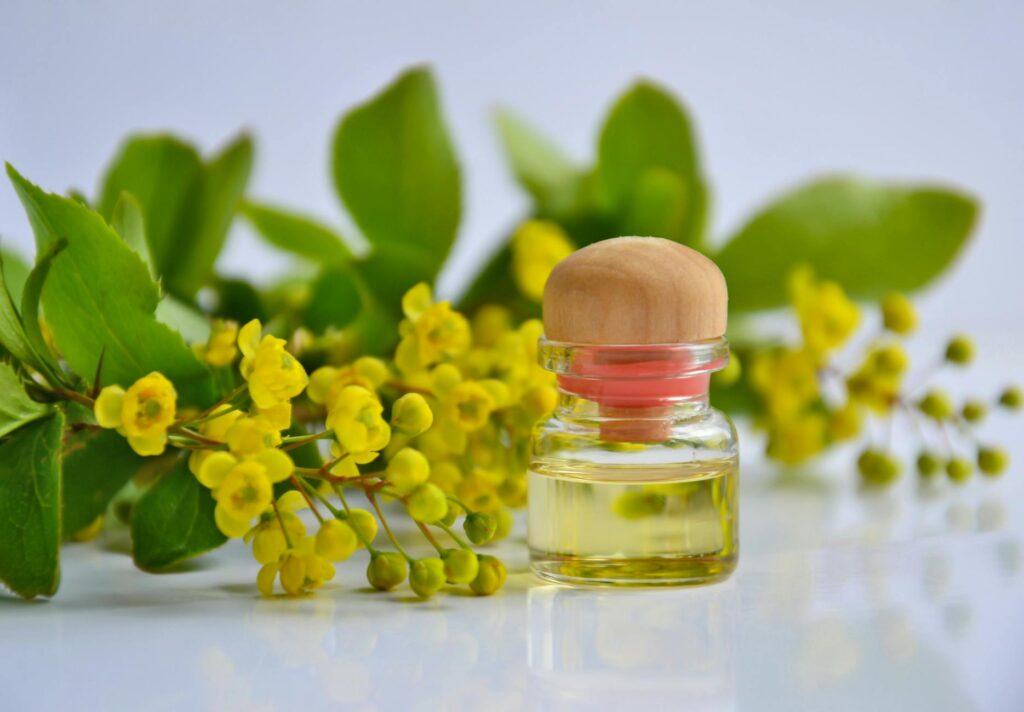
Benefits of Native Wild Edible Plants
Introduction
The world of botany is rich and diverse, offering a plethora of plants that have been utilized by indigenous cultures for millennia. Among these, native wild edible plants stand out not only for their nutritional value but also for their ecological significance. This article delves into the benefits of native wild edible plants, exploring their properties, common uses, and potential applications in aromatherapy, while also addressing safety considerations and storage methods.
What Are Native Wild Edible Plants?
Native wild edible plants are species that have naturally adapted to a specific region and have been used as food sources by local populations. These plants often thrive in their native habitats without the need for human intervention. Examples include dandelion, wild garlic, and various berries, among many others. Their adaptability and resilience make them valuable resources in various ecosystems.
Understanding the characteristics of native wild edible plants is crucial. They typically grow in specific climate zones, have developed natural resistance to local pests, and play a significant role in their ecosystems by providing food and habitat for wildlife. Additionally, they often possess unique flavors and nutritional profiles that differ significantly from cultivated varieties.
Key Benefits and Properties
1. Nutritional Value
Native wild edible plants are often packed with vitamins, minerals, and antioxidants. For instance, many wild greens are rich in Vitamin C, iron, and calcium, making them excellent dietary supplements. Their natural growth conditions often result in higher nutrient concentrations compared to cultivated counterparts.
2. Sustainability
Harvesting native wild edible plants promotes biodiversity and contributes to sustainable practices. By foraging responsibly, individuals can minimize their environmental impact while supporting local ecosystems. Moreover, as these plants are adapted to their environment, they typically require fewer resources for growth.
3. Flavor and Culinary Diversity
The unique flavors of native wild edible plants can enhance culinary experiences. Wild herbs and greens can add complexity and depth to dishes, encouraging a greater appreciation for natural foods. For example, the distinct taste of wild leeks or ramps can elevate simple recipes.
4. Cultural Heritage and Knowledge
The use of native wild edible plants is intertwined with cultural practices and ancestral knowledge. Many indigenous communities have a wealth of information regarding the identification, preparation, and use of these plants, which is valuable for preserving traditional ecological knowledge.
Common Uses
Native wild edible plants have a variety of applications beyond mere consumption:
1. Culinary Uses
- Salads and Sautéed Dishes: Many wild greens can be used in salads or lightly sautéed. Dandelion leaves, for example, provide a bitter yet flavorful addition to dishes.
- Herbal Teas: Many native plants, such as chamomile and mint, can be harvested for their leaves or flowers to create soothing herbal teas.
- Flavoring Agents: Wild herbs like garlic mustard can be used as seasoning, enhancing the flavor profiles of various meals.
2. Beverages
Certain wild edible plants can be used to create unique beverages. For instance, elderflower can be used to make refreshing drinks, while berries such as blackberries or blueberries can be fermented into homemade wines.
3. Preservation
Many native wild edible plants can be dried or preserved for later use. For example, wild mushrooms can be dehydrated and stored for use in soups and stews, while berries can be turned into jams or jellies.
Aromatherapy Applications
While native wild edible plants are primarily known for their culinary uses, many also possess aromatic properties that can be harnessed in aromatherapy.
1. Essential Oils
Some native plants are distilled to create essential oils, which are used in aromatherapy for their therapeutic properties. For instance, sage and lavender are well-regarded for their calming effects.
2. Infused Oils
Infusing oils with native wild plants can yield fragrant oils that are used in massage and skincare. Plants like calendula and chamomile can be infused into carrier oils to create soothing topical applications.
3. Herbal Sachets and Potpourri
Dried flowers and leaves from native plants can be used to create sachets or potpourri, providing a natural way to scent living spaces. The use of plants such as lavender or peppermint can promote relaxation and enhance mood.
Safety Considerations
Foraging for native wild edible plants can be rewarding, but it is essential to approach it with caution:
1. Proper Identification
Misidentification of plants can lead to toxic reactions. It is critical to be knowledgeable about the plants you are harvesting. Field guides or apps can be helpful, but hands-on learning from experienced foragers is invaluable.
2. Harvesting Techniques
Sustainable harvesting practices should be followed to ensure that plant populations remain healthy. Take only what you need and avoid over-harvesting specific areas.
3. Potential Allergies
Some individuals may have allergies or sensitivities to certain plants. It is advisable to try small amounts first before consuming larger quantities.
4. Environmental Contaminants
Wild edible plants can absorb pollutants from their environment. It is crucial to forage in areas that are free from pesticides, herbicides, and industrial runoff.
Storage and Shelf Life
The storage methods for native wild edible plants can vary based on the type of plant and its intended use:
1. Refrigeration
Many fresh wild greens can be stored in the refrigerator for a few days. It is advisable to wash and dry them before storing them in a breathable container or a damp paper towel.
2. Drying
Herbs and flowers can be dried for long-term storage. Hanging them in a dry, dark place or using a dehydrator can preserve their flavor and aroma. Dried plants should be stored in airtight containers away from light and moisture.
3. Freezing
Freezing is another effective method for preserving wild edibles. Blanching greens before freezing can help retain color and nutrients. Berries can be washed and frozen directly in freezer bags.
Frequently Asked Questions
1. How can I identify native wild edible plants?
Identifying native wild edible plants requires research and practice. Field guides, workshops, and local foraging groups can provide valuable resources. Paying attention to plant characteristics such as leaf shape, flower color, and habitat can aid in identification.
2. Are all native wild edible plants safe to eat?
No, not all native wild edible plants are safe. Some can be toxic or cause allergic reactions. It is essential to be informed and cautious, ensuring proper identification before consumption.
3. Can I grow native wild edible plants in my garden?
Yes, many native wild edible plants can be cultivated in home gardens. They often require less maintenance than traditional garden plants, as they are adapted to local conditions.
4. What are some popular native wild edible plants?
Popular native wild edible plants include dandelion, nettle, wild garlic, ramps, and various berries like blueberries and blackberries. Each region has its unique offerings.
5. How can I learn more about foraging and using native wild edible plants?
Participating in foraging workshops, reading books on wild edibles, and joining local nature groups can provide valuable insights and knowledge about foraging practices and plant uses.
Conclusion
The benefits of native wild edible plants extend far beyond their nutritional value. They offer ecological sustainability, cultural heritage, and unique culinary opportunities. By understanding their properties and applications, we can appreciate the rich tapestry of life that these plants represent. Responsible foraging and proper education can ensure that these natural resources are preserved for future generations, allowing us to enjoy their flavors and benefits for years to come.