
Benefits of Native Wildflowers
Introduction
Native wildflowers are an essential component of ecosystems, providing aesthetic beauty and ecological balance. These plants, indigenous to specific regions, have evolved alongside local fauna and flora, forming intricate relationships that sustain biodiversity. In addition to their ecological importance, native wildflowers offer a range of benefits that contribute to human well-being, including their roles in aromatherapy and essential oil production. This article explores the various dimensions of native wildflowers, their benefits, common uses, and applications in aromatherapy.
What Are Native Wildflowers?
Native wildflowers are flowering plants that naturally occur in a particular geographic area without human introduction. They have adapted to the local climate, soil conditions, and ecosystems, which often makes them more resilient than non-native species. These plants come in various shapes, sizes, and colors, contributing to the natural beauty of landscapes.
Native wildflowers play a vital role in supporting local wildlife, including pollinators like bees and butterflies, as well as birds and other animals. Their life cycles are closely tied to the seasons and the specific environmental conditions of their habitats, making them integral to the health of ecosystems.
Key Benefits and Properties
Biodiversity and Ecosystem Health
One of the primary benefits of native wildflowers is their role in enhancing biodiversity. They provide food and habitat for various species, helping maintain ecological balance. By attracting pollinators, native wildflowers ensure the reproduction of not only themselves but also many other plants, creating a vibrant ecosystem.
Soil Health
Native wildflowers can improve soil health through their root systems, which help prevent erosion and promote nutrient cycling. Their deep roots can also break up compacted soil, allowing for better water penetration and aeration. This contributes to a healthier environment for other plants and organisms.
Water Conservation
Many native wildflowers are drought-resistant, requiring less water than non-native species. By planting these flowers, gardeners can create sustainable landscapes that conserve water and reduce the need for irrigation. This is particularly beneficial in areas facing water scarcity.
Aesthetic and Cultural Value
Native wildflowers offer visual appeal, enriching landscapes with their diverse colors and forms. They also carry cultural significance in many communities, often tied to local traditions, folklore, and heritage. Incorporating native wildflowers into gardens and landscapes can enhance cultural appreciation and awareness.
Common Uses
Ornamental Gardening
Native wildflowers are popular in ornamental gardening due to their beauty and adaptability. They can be used to create vibrant flower beds, borders, and naturalistic landscapes. Their low maintenance and resilience to pests make them an excellent choice for sustainable gardening practices.
Habitat Restoration
Native wildflowers play a crucial role in habitat restoration projects. By reintroducing these plants to degraded areas, conservationists can help restore ecosystems, improve soil health, and enhance wildlife habitats. This is particularly important in areas affected by urban development or agricultural practices.
Pollinator Gardens
Creating pollinator gardens with native wildflowers is an effective way to support local bee and butterfly populations. These gardens provide food resources and habitats for pollinators, which are essential for the reproduction of many plants and the overall health of ecosystems.
Aromatherapy Applications
Essential Oils from Native Wildflowers
Some native wildflowers yield essential oils that are utilized in aromatherapy. These oils are extracted through methods like steam distillation or cold pressing and have distinct aromatic profiles and properties.
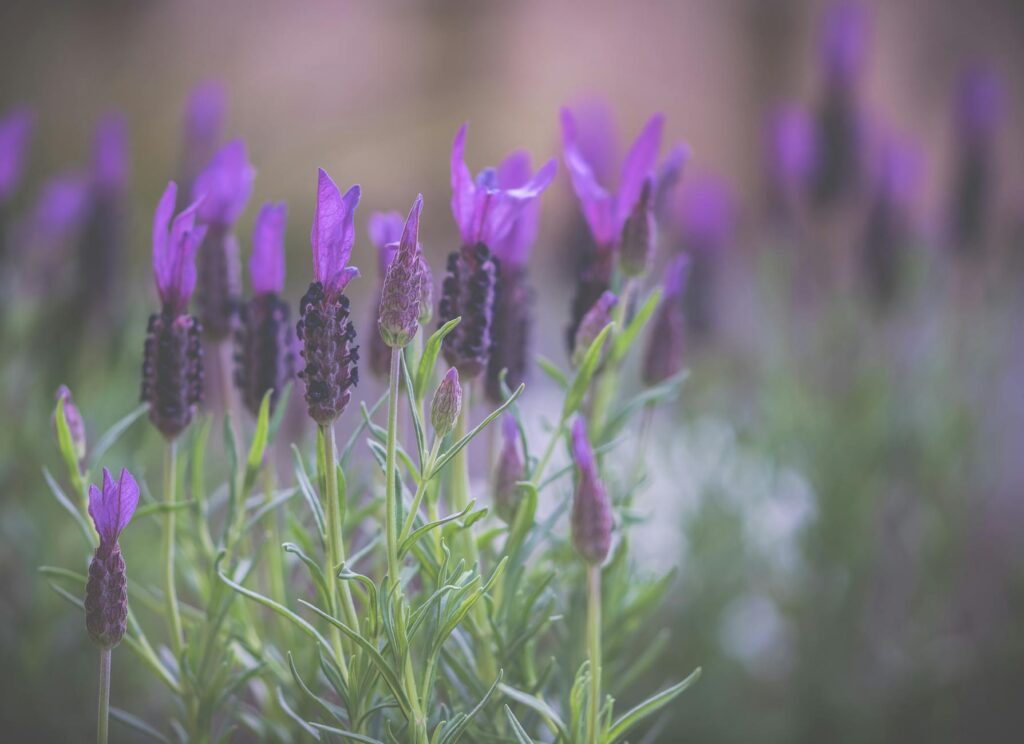
For example, essential oils derived from native wildflowers such as lavender, chamomile, and yarrow are known for their calming and soothing effects. When used in aromatherapy, these oils can promote relaxation, reduce stress, and enhance emotional well-being.
Diffusion and Inhalation
In aromatherapy, essential oils from native wildflowers can be diffused into the air or inhaled directly. Diffusers disperse the oil’s aromatic molecules into the environment, creating a pleasant and therapeutic atmosphere. Inhalation can be done through direct breathing or by using steam inhalation methods.
Blending with Other Oils
Essential oils from native wildflowers can also be blended with other oils to create synergistic effects. For instance, combining lavender oil with citrus oils can enhance uplifting properties while maintaining calming effects. These blends can be used in massage, bath products, or skincare formulations.
Safety Considerations
While native wildflowers and their essential oils offer numerous benefits, it is essential to consider safety when using them. Here are some key points to keep in mind:
Allergies and Sensitivities
Some individuals may have allergies or sensitivities to specific wildflowers or their essential oils. It is advisable to conduct a patch test when using a new oil to check for any adverse reactions. If any irritation occurs, discontinue use immediately.
Proper Dilution
When using essential oils in aromatherapy, proper dilution is crucial. Concentrated oils can cause skin irritation or sensitization if applied undiluted. It is generally recommended to dilute essential oils with carrier oils, such as jojoba or almond oil, before topical application.
Professional Guidance
For those new to aromatherapy or unfamiliar with specific wildflowers, consulting a qualified aromatherapist or herbalist can provide valuable guidance. They can offer insights into safe practices, suitable blends, and potential interactions with medications.
Storage and Shelf Life
Storage Conditions
To maintain the quality of essential oils derived from native wildflowers, proper storage is essential. Oils should be kept in dark glass bottles to protect them from light, which can cause degradation. Additionally, they should be stored in a cool, dry place away from direct sunlight and heat sources.
Shelf Life
The shelf life of essential oils can vary depending on the specific wildflower and extraction method. Generally, essential oils can last from one to three years. However, oils may begin to lose their potency and aroma over time. Regularly checking for changes in smell or appearance is advisable to ensure the oil’s effectiveness.
Frequently Asked Questions
What are the most popular native wildflowers used in aromatherapy?
Some popular native wildflowers used in aromatherapy include lavender, chamomile, and yarrow. These plants are valued for their calming and soothing properties.
Can I grow native wildflowers in my garden?
Yes, native wildflowers can be grown in home gardens, provided the conditions mimic their natural habitat. It is essential to select species that are appropriate for your local climate and soil type.
Are all native wildflowers safe to use in aromatherapy?
Not all native wildflowers are suitable for aromatherapy. It is important to research specific species and their properties before using them. Consulting a professional can help ensure safe practices.
How can I attract pollinators to my garden?
To attract pollinators, consider planting a diverse array of native wildflowers that bloom at different times throughout the growing season. Providing water sources and avoiding pesticides can also create a welcoming environment for pollinators.
Conclusion
Native wildflowers offer a multitude of benefits that extend beyond their aesthetic appeal. From enhancing biodiversity and soil health to serving as important resources in aromatherapy, these plants play a crucial role in both ecosystems and human well-being. By appreciating and utilizing native wildflowers, we can contribute to sustainable practices that support the health of our planet and ourselves. Whether in gardens, restoration projects, or aromatherapy applications, native wildflowers are invaluable assets that deserve recognition and care.