
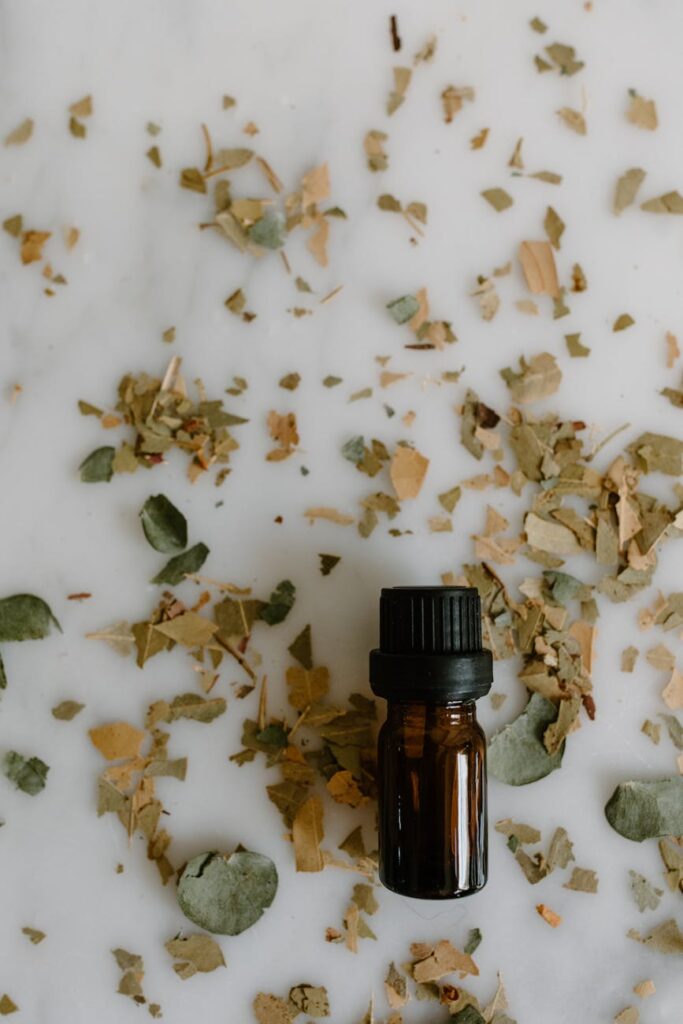
Benefits of Neroli Blossom Oil
Introduction
Neroli blossom oil, derived from the delicate flowers of the bitter orange tree (Citrus aurantium), has been cherished for centuries for its exquisite fragrance and therapeutic properties. Recognized for its calming effects and versatility, this essential oil is a popular choice in aromatherapy, skincare, and perfumery. In this article, we will explore the origins of neroli oil, its key benefits and properties, common uses, and much more to provide a comprehensive understanding of this remarkable oil.
What Is Neroli Blossom Oil?
Neroli blossom oil is extracted through steam distillation from the blossoms of the bitter orange tree, which is native to the Mediterranean region. The name “neroli” is believed to have originated from the 17th-century Italian princess Anne-Marie de la Tremoille, the Duchess of Bracciano, who was known to use the oil as a perfume. The oil boasts a sweet, floral aroma with citrus undertones, making it a sought-after ingredient in aromatherapy and perfumery.
The bitter orange tree also yields other essential oils, such as orange oil from its fruit and petitgrain oil from its leaves and twigs. However, neroli oil is distinct due to its unique fragrance profile and the delicate process required to extract it, often resulting in a higher price point compared to other citrus oils.
Key Benefits and Properties
Neroli blossom oil is renowned for its numerous benefits and properties, which include:
1. Calming and Relaxing
Neroli oil is often celebrated for its calming effects on the mind and body. The oil is believed to help reduce anxiety, stress, and depression, promoting emotional balance and relaxation. Its soothing properties make it a popular choice for those seeking relief during moments of tension.
2. Skin Care
This essential oil is considered beneficial for the skin due to its antiseptic, anti-inflammatory, and regenerative properties. It is often included in skincare formulations for its potential to improve skin tone, reduce the appearance of scars, and combat signs of aging. Its gentle nature makes it suitable for sensitive skin, helping to soothe irritation and redness.
3. Antioxidant Properties
Neroli oil contains various compounds that exhibit antioxidant properties. These compounds can help neutralize free radicals, potentially reducing oxidative stress and promoting overall skin health. This makes neroli a valuable addition to anti-aging skin care products.
4. Mood Enhancement
The uplifting scent of neroli blossom oil is known to promote feelings of happiness and positivity. Its aroma can stimulate the release of serotonin, often referred to as the “feel-good” hormone. This mood-enhancing quality makes it an excellent choice for diffusing in environments where emotional well-being is a priority.
5. Anti-inflammatory Effects
Neroli oil is thought to exhibit anti-inflammatory properties, making it beneficial for addressing skin conditions such as acne, eczema, or psoriasis. Its soothing qualities can provide relief from irritation and promote healing.
Common Uses
Neroli blossom oil is widely used in various applications, including:
1. Aromatherapy
In aromatherapy, neroli oil is often used in diffusers, inhalers, or blended with carrier oils for topical application. Its calming aroma is beneficial for creating a tranquil atmosphere, making it a popular choice for meditation and relaxation practices.
2. Skin Care Products
Neroli oil is frequently included in high-quality skincare products, such as serums, creams, and lotions. Its ability to enhance skin appearance and support skin health makes it a valuable ingredient for both commercial brands and DIY formulations.
3. Perfumes and Fragrances
Thanks to its alluring scent, neroli oil is a favored ingredient in perfumes and fragrances. It can be used as a base note or blended with other essential oils to create unique aromatic profiles.
4. Bath Products
Neroli oil can be added to bath oils, salts, or lotions to enhance the bathing experience. Its relaxing aroma can transform a simple bath into a soothing ritual.
5. Household Products
Some individuals incorporate neroli oil into homemade cleaning products or air fresheners for its pleasant scent and potential antimicrobial properties.
Aromatherapy Applications
In aromatherapy, neroli blossom oil is often blended with other essential oils to create synergistic effects. Some common blends include:
1. For Anxiety Relief
Combining neroli with oils like lavender, chamomile, or bergamot can create a calming blend that may help alleviate anxiety and stress.
2. For Mood Enhancement
Blending neroli with citrus oils, such as sweet orange or lemon, can uplift the spirit and create a vibrant atmosphere.
3. For Skin Care
Mixing neroli with carrier oils like jojoba or sweet almond oil can create a nourishing blend for topical application, promoting healthy and glowing skin.
When using neroli oil in aromatherapy, consider employing a diffuser, inhaler, or simply adding a few drops to a warm bath. Always dilute neroli oil with a carrier oil before applying it directly to the skin.
Safety Considerations
While neroli blossom oil is generally considered safe for most individuals, it is essential to follow certain safety guidelines:
1. Dilution: Always dilute neroli oil with a carrier oil before applying it to the skin to avoid irritation. A typical dilution ratio is 1-2 drops of essential oil per teaspoon of carrier oil.
2. Patch Test: Conduct a patch test prior to widespread use on the skin. Apply a small diluted amount to a discreet area and monitor for any adverse reactions.
3. Pregnancy and Nursing: Pregnant or nursing individuals should consult with a healthcare professional before using essential oils, including neroli.
4. Allergic Reactions: If you have a known allergy to citrus fruits, exercise caution when using neroli oil, as it may provoke allergic reactions in susceptible individuals.
5. Storage: Store neroli oil in a cool, dark place away from direct sunlight to maintain its potency and aroma.
Storage and Shelf Life
To preserve the quality of neroli blossom oil, proper storage is crucial. Keep it in a dark glass bottle, tightly sealed, and stored in a cool, dark environment. Direct sunlight and heat can degrade essential oils, affecting their fragrance and therapeutic properties.
The shelf life of neroli oil can vary based on its quality and storage conditions. Generally, it can last anywhere from 1 to 3 years if stored correctly. Regularly check for changes in aroma, color, or consistency to determine if the oil is still suitable for use.
Frequently Asked Questions
1. Can neroli blossom oil be used in cooking?
Neroli blossom oil is not typically used in cooking due to its concentrated nature and potential for irritation. It is primarily used for aromatherapy, skincare, and perfumery.
2. Is neroli oil safe for children?
While neroli oil is generally considered safe, it is advisable to consult a healthcare professional before using it on children, particularly infants and young children.
3. How can I incorporate neroli oil into my skincare routine?
To incorporate neroli oil into your skincare routine, consider adding it to your existing products or creating a custom blend. Mix a few drops with a carrier oil or moisturizer and apply it to the desired areas.
4. What are some alternative names for neroli oil?
Neroli oil may be referred to as “bitter orange flower oil” or “orange blossom oil.” However, it is essential to ensure that any product labeled as neroli oil is derived from the flowers of the bitter orange tree.
5. Can neroli oil help with sleep issues?
Although many individuals find the calming aroma of neroli oil beneficial for relaxation, its effectiveness in promoting sleep can vary. Experimenting with different oils and blends may help individuals find what works best for them.
Conclusion
Neroli blossom oil is a versatile and valuable essential oil with a rich history and a myriad of benefits. From its calming properties to its role in skincare, this oil has earned its place in holistic wellness practices and beauty formulations worldwide. By understanding its benefits, uses, and safety considerations, individuals can effectively incorporate neroli oil into their daily routines, enhancing both their emotional and physical well-being.