
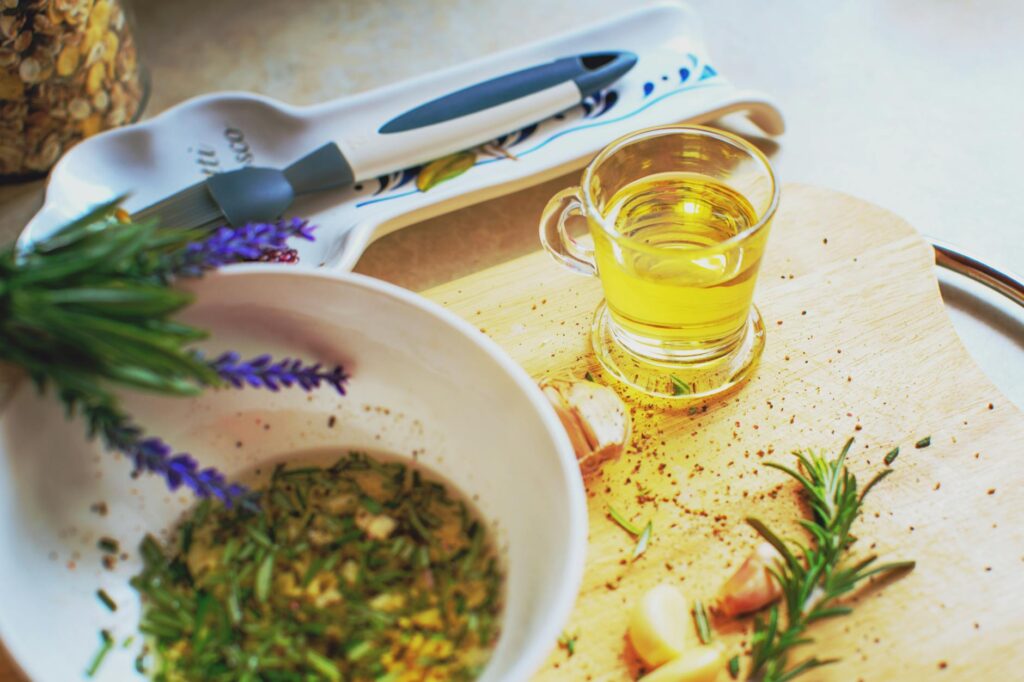
Benefits of Olive Oil
Introduction
Olive oil, derived from the fruit of the olive tree (Olea europaea), has been a staple in Mediterranean diets for thousands of years. Beyond its culinary uses, olive oil is celebrated for its numerous health benefits and versatile applications, particularly in the realms of skincare, cooking, and aromatherapy. This article explores the multifaceted nature of olive oil, highlighting its properties, uses, and practical considerations.
What Is Olive Oil?
Olive oil is a fat obtained from the pressing of olives, the fruit of the olive tree. It is primarily composed of monounsaturated fatty acids, particularly oleic acid, which are known for their heart-healthy properties. Olive oil is classified into several grades based on its extraction process and acidity levels, with extra virgin olive oil being the highest quality. This grade is produced from cold-pressed olives and retains the most flavor, aroma, and nutritional value.
The flavor profile of olive oil can range from fruity and mild to robust and peppery, varying by the olive variety, region of cultivation, and harvesting methods. Beyond its culinary applications, olive oil’s rich composition also makes it an excellent candidate for use in personal care products and aromatherapy.
Key Benefits and Properties
Olive oil boasts a wealth of beneficial properties that contribute to its reputation as a superfood and natural remedy. Some of the key benefits include:
1. Nutritional Value
Olive oil is rich in healthy fats, particularly monounsaturated fats, which can help reduce bad cholesterol levels (LDL) while increasing good cholesterol (HDL). It also contains antioxidants, such as vitamin E and polyphenols, which play a role in reducing oxidative stress in the body.
2. Anti-Inflammatory Properties
The presence of oleocanthal, a compound found in extra virgin olive oil, has been shown to exhibit anti-inflammatory effects similar to those of non-steroidal anti-inflammatory drugs (NSAIDs). This property may contribute to overall health and well-being.
3. Heart Health
Regular consumption of olive oil has been linked to a lower risk of heart disease. Its ability to improve lipid profiles, coupled with its anti-inflammatory and antioxidant properties, supports cardiovascular health.
4. Skin Health
Olive oil is renowned for its moisturizing properties. Rich in fatty acids and antioxidants, it can nourish the skin, enhance hydration, and provide a protective barrier against environmental pollutants.
5. Digestive Health
Olive oil may aid in digestion by promoting the secretion of digestive enzymes and improving gut health. Its mild laxative effect can also support regular bowel movements.
Common Uses
The versatility of olive oil makes it suitable for various applications across different domains:
Culinary Uses
- Cooking: Olive oil is widely used for sautéing, roasting, and grilling due to its high smoke point, particularly in the case of refined olive oils.
- Dressing: It serves as a base for salad dressings, marinades, and dips, enhancing flavor while providing health benefits.
- Baking: Olive oil can substitute butter or other oils in baking, imparting a unique flavor to baked goods.
- Moisturizer: Olive oil can be applied as a natural moisturizer for the skin and hair, helping to lock in moisture and improve texture.
- Makeup Remover: Its gentle nature makes it effective for removing makeup without stripping the skin of its natural oils.
- Furniture Polish: Olive oil can be mixed with vinegar to create a natural furniture polish, enhancing the shine and protecting wood surfaces.
- Leather Conditioner: It can also be used to condition and protect leather goods, keeping them supple and reducing the risk of cracking.
- Allergies: Individuals with allergies to olives should avoid using olive oil.
- Skin Sensitivity: Although rare, some individuals may experience skin irritation. It is advisable to conduct a patch test before extensive use, particularly when combining with essential oils.
- Dietary Considerations: While olive oil is beneficial, moderation is key, as it is calorie-dense. Consulting with a nutritionist or dietitian can help determine appropriate usage based on individual dietary needs.
- Cool, Dark Place: Olive oil should be stored in a cool, dark location, away from heat sources and direct sunlight, which can degrade its quality.
- Sealed Containers: Use dark glass or stainless steel containers to minimize exposure to light and air, both of which can lead to oxidation.
- Unopened Bottles: Unopened olive oil can last for up to two years, depending on the quality and storage conditions.
- Opened Bottles: Once opened, olive oil should ideally be consumed within six months to a year for optimal flavor and health benefits.
Personal Care
Household
Aromatherapy Applications
In the context of aromatherapy, olive oil serves as an excellent carrier oil, allowing for the safe application of essential oils. It helps to dilute potent essential oils, enabling their benefits to be absorbed through the skin without causing irritation.
1. Carrier Oil
Olive oil is often used to dilute essential oils for topical application. Due to its rich texture and nourishing properties, it is well-suited for massages and skincare formulations.
2. Essential Oil Blends
When combined with essential oils such as lavender, tea tree, or eucalyptus, olive oil can enhance the therapeutic effects of these oils, promoting relaxation, skin healing, or respiratory support.
3. DIY Products
Olive oil can be incorporated into homemade aromatherapy products like bath oils, body scrubs, and scented candles, allowing individuals to customize their aromatherapy experiences.
Safety Considerations
While olive oil is generally considered safe, there are some precautions to keep in mind:
Storage and Shelf Life
Proper storage is essential to maintain the quality of olive oil. Here are some best practices:
1. Storage Conditions
2. Shelf Life
Frequently Asked Questions
Q1: Can I use olive oil for cooking at high temperatures?
A1: While refined olive oil has a higher smoke point suitable for high-temperature cooking, extra virgin olive oil is best used for low to medium-heat cooking or as a finishing oil to preserve its flavor and nutrients.
Q2: How can I tell if olive oil has gone bad?
A2: Rancid olive oil may have an off or sour smell and taste. Fresh olive oil should have a fruity, peppery, or grassy aroma. Always check the expiration date and store it properly to extend its shelf life.
Q3: Is olive oil suitable for all skin types?
A3: Olive oil is generally safe for most skin types, but individuals with oily or acne-prone skin may wish to use it sparingly, as it could potentially clog pores.
Q4: Can I mix olive oil with essential oils?
A4: Yes, olive oil is commonly used as a carrier oil for diluting essential oils, making it safe for topical application. Always follow recommended dilution ratios when mixing.
Conclusion
Olive oil is more than just a culinary delight; it is a multifaceted oil with numerous health benefits and applications. From its nutritional value and skin-nourishing properties to its role in aromatherapy, olive oil remains a cherished ingredient in both kitchens and natural wellness routines. As with any product, proper storage and mindfulness regarding individual sensitivities will ensure that you can enjoy the many advantages that olive oil has to offer.