
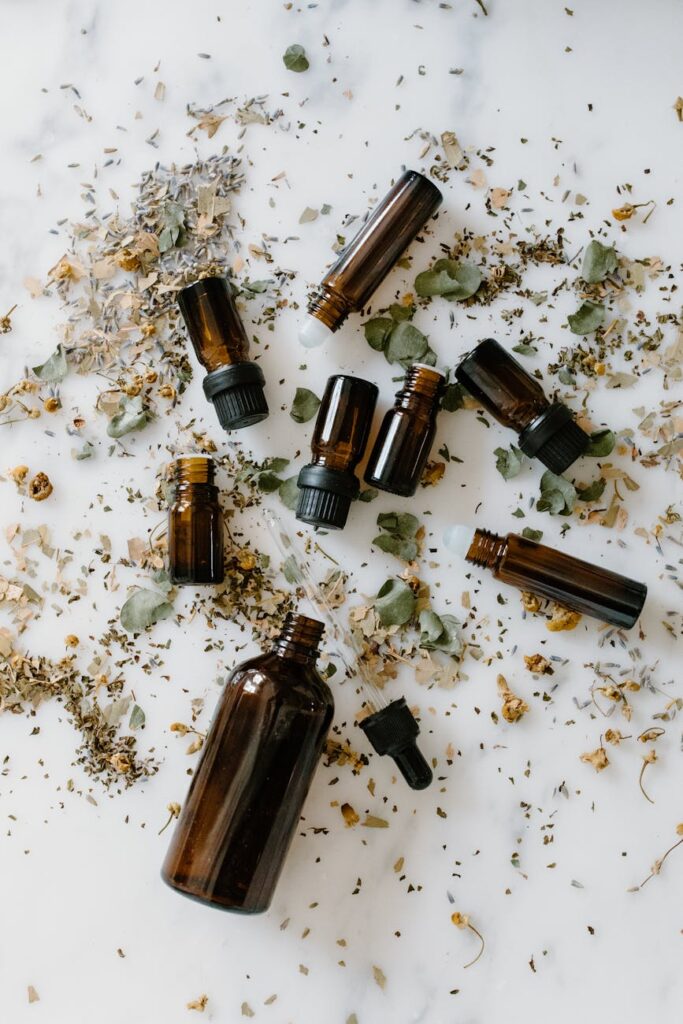
Benefits of Patchouli Oil
Introduction
Patchouli oil, derived from the leaves of the Pogostemon cablin plant, has gained significant popularity in the realms of aromatherapy, perfumery, and natural wellness. Known for its rich, earthy aroma, this oil has been used for centuries in various cultural practices, from traditional medicine to spiritual rituals. In this article, we will explore the composition, benefits, and applications of patchouli oil, while also discussing safety considerations and storage methods.
What Is Patchouli Oil?
Patchouli oil is an essential oil extracted from the leaves of the patchouli plant, a perennial herb native to tropical regions of Asia. The oil is obtained primarily through steam distillation, a process that preserves its aromatic compounds. Patchouli is part of the mint family, and its leaves are characterized by a distinctive scent that is both sweet and musky.
The unique aroma of patchouli oil has made it a favored ingredient in the fragrance industry. It is often used in perfumes, soaps, and cosmetics, lending its signature scent to a variety of products. Beyond its aromatic appeal, patchouli oil is valued for its potential therapeutic properties.
Key Benefits and Properties
Patchouli oil is believed to possess a range of beneficial properties. Some of the key characteristics include:
1. Antimicrobial and Antiseptic Properties
Patchouli oil has been shown to exhibit antimicrobial activity, making it useful in combating certain bacteria and fungi. This property has led to its incorporation into natural cleaning products and topical applications.
2. Anti-Inflammatory Effects
The oil is often cited for its anti-inflammatory properties, which may help alleviate discomfort associated with minor skin irritations and conditions.
3. Mood Enhancer
Patchouli oil is renowned for its ability to promote emotional well-being. Its calming scent is believed to alleviate feelings of stress and anxiety, contributing to a sense of relaxation.
4. Skin Care Benefits
Patchouli oil is often included in skin care formulations due to its potential to promote healthy skin. It may aid in reducing the appearance of blemishes and scars, making it a popular choice for natural beauty products.
5. Insect Repellent
The oil is sometimes used as a natural insect repellent. Its strong scent can deter pests, making it a favored choice for those seeking alternatives to chemical repellents.
Common Uses
Patchouli oil can be utilized in a variety of ways, including:
1. Diffusion
One of the most popular methods of using patchouli oil is through diffusion. Adding a few drops to a diffuser allows the warm scent to permeate the air, creating a calming atmosphere.
2. Topical Application
When diluted with a carrier oil, patchouli oil can be applied directly to the skin. This method is often used for skincare routines or to target specific areas of discomfort.
3. Bath Additive
Adding a few drops of patchouli oil to a warm bath can create a relaxing spa-like experience. It not only contributes to relaxation but may also provide skin benefits.
4. Natural Perfume
Due to its rich and complex aroma, patchouli oil can be used as a base note in natural perfumes. It blends well with other essential oils, enhancing their scent profile.
5. Insect Repellent Spray
Patchouli oil can be incorporated into homemade insect repellent sprays, offering a natural alternative to synthetic options.
Aromatherapy Applications
In the field of aromatherapy, patchouli oil is often used to create a harmonious environment that promotes relaxation and emotional balance. Below are some common applications:
1. Stress Relief
Patchouli oil is frequently used in aromatherapy blends designed to reduce stress and anxiety. Its grounding properties can help create a sense of calm during moments of tension.
2. Meditation
The deep, earthy scent of patchouli oil is often employed in meditation practices. Its aroma can enhance focus and deepen the meditative experience.
3. Sleep Aid
When diffused in the bedroom, patchouli oil may help promote restful sleep. Its calming properties can create a serene atmosphere conducive to relaxation.
4. Emotional Balance
Patchouli oil is sometimes included in blends aimed at balancing emotions. It may help uplift the spirit while grounding the individual in the present moment.
Safety Considerations
While patchouli oil is generally considered safe for use, it is essential to take certain precautions:
1. Dilution
Essential oils are potent and should always be diluted with a carrier oil before topical application. Recommended dilution ratios typically range from 1% to 3% for adults.
2. Skin Sensitivity
Before applying patchouli oil to a larger area of skin, conduct a patch test by applying a small amount to a discreet area to check for any adverse reactions.
3. Pregnancy and Nursing
Pregnant or nursing individuals should consult a qualified healthcare professional before using patchouli oil or any essential oil.
4. Children
Essential oils should be used cautiously around children. It is advisable to consult a healthcare provider for appropriate usage guidelines.
5. Medical Conditions
Individuals with specific health conditions or those taking medications should consult a healthcare provider before using patchouli oil for therapeutic purposes.
Storage and Shelf Life
Proper storage is crucial for maintaining the quality and efficacy of patchouli oil. Here are some tips:
1. Store in a Cool, Dark Place
Essential oils should be kept in a cool, dark environment, away from direct sunlight and heat sources. This helps preserve their aromatic and therapeutic properties.
2. Use Dark Glass Containers
Patchouli oil should be stored in dark glass containers, which protect it from light degradation. Avoid using plastic bottles, as essential oils can break down plastic over time.
3. Shelf Life
When stored correctly, patchouli oil can have a shelf life of 2 to 3 years. However, it’s essential to regularly check for any changes in aroma or appearance, as these can indicate degradation.
Frequently Asked Questions
1. Can patchouli oil be used in cooking?
Patchouli oil is not recommended for culinary use. It is primarily intended for aromatic and topical applications.
2. Is patchouli oil safe for all skin types?
While many people can use patchouli oil safely, those with sensitive skin should conduct a patch test before applying it to larger areas.
3. How can I incorporate patchouli oil into my skincare routine?
Patchouli oil can be added to creams, lotions, or serums. Always dilute it with a carrier oil, such as jojoba or coconut oil, before applying it to the skin.
4. What other essential oils blend well with patchouli?
Patchouli oil blends harmoniously with essential oils such as sandalwood, lavender, bergamot, and cedarwood, creating rich and complex aromatic profiles.
5. Can I use patchouli oil during pregnancy?
It is advisable for pregnant individuals to consult a healthcare professional before using patchouli oil or any essential oils.
Conclusion
Patchouli oil is a versatile essential oil with a rich history and a wide range of applications. Whether used for its aromatic qualities, potential skin benefits, or emotional support, this oil continues to be a valuable addition to the world of aromatherapy and natural wellness. By understanding its properties and uses, individuals can harness the benefits of patchouli oil in their daily lives, enriching their sensory experiences and promoting holistic well-being.