
Benefits of Peppermint Oil Safety
Introduction
Peppermint oil, derived from the leaves of the Mentha piperita plant, has long been celebrated for its invigorating scent and numerous applications. As an essential oil, it is widely used in aromatherapy, cosmetics, and culinary practices. However, with its popularity comes the responsibility of understanding how to use peppermint oil safely. This article explores the safety considerations surrounding peppermint oil, its benefits, and its applications across various domains.
What Is Peppermint Oil Safety?
Peppermint oil safety refers to the proper use, storage, and application of peppermint oil to maximize its benefits while minimizing risks. Essential oils are highly concentrated plant extracts, which means they can potentially cause adverse reactions if not used correctly. Understanding the properties of peppermint oil and adhering to safety guidelines can help ensure a beneficial experience for users.
Key Benefits and Properties
Peppermint oil is renowned for its unique chemical composition, which includes menthol, menthone, and various other compounds. These constituents contribute to its diverse range of benefits:
- Cooling Sensation: Menthol provides a refreshing and cooling effect, making peppermint oil popular in topical applications and aromatherapy.
- Digestive Support: While not medical advice, peppermint oil is often associated with digestive comfort, making it a common ingredient in herbal teas and digestive blends.
- Mental Clarity: The invigorating aroma of peppermint oil is believed to enhance alertness and focus, making it a favorite among students and professionals alike.
- Respiratory Relief: The menthol in peppermint oil may help clear nasal passages and ease breathing, often utilized in steam inhalation practices.
- Antimicrobial Properties: Preliminary studies suggest that peppermint oil possesses antimicrobial properties, making it useful in natural cleaning products and personal care items.
- Aromatherapy: Diffusing peppermint oil in a room can invigorate the atmosphere and promote a sense of clarity and focus.
- Topical Applications: When diluted with a carrier oil, peppermint oil can be applied to the skin for its cooling effects, often used to relieve tension headaches or muscle soreness.
- Culinary Uses: Peppermint oil can enhance the flavor of various dishes and beverages, though it should be used sparingly due to its potency.
- Household Cleaning: The antimicrobial properties of peppermint oil make it a popular choice for natural cleaning solutions.
- Peppermint and Lavender: This blend combines the invigorating properties of peppermint with the calming effects of lavender, creating a balanced atmosphere.
- Peppermint and Lemon: The uplifting scents of peppermint and lemon work together to enhance mood and promote mental clarity.
- Peppermint and Eucalyptus: This combination is frequently used to support respiratory health due to the decongestant properties of both oils.
- Dilution: Essential oils are highly concentrated and should always be diluted with a carrier oil (such as jojoba, coconut, or olive oil) before topical application. A common dilution ratio is 2-3 drops of essential oil per teaspoon of carrier oil.
- Patch Test: Before applying peppermint oil to a larger area of skin, conduct a patch test on a small, inconspicuous area to check for any adverse reactions.
- Avoiding Sensitive Areas: Do not apply peppermint oil near the eyes, mucous membranes, or broken skin, as it can cause irritation.
- Pregnancy and Nursing: Pregnant or nursing individuals should consult a qualified healthcare professional before using peppermint oil, as some essential oils can have contraindications during these periods.
- Children and Pets: Exercise caution when using peppermint oil around children and pets. Always consult guidelines specific to their age and species, as essential oils can affect them differently.
- Interactions with Medications: If you are on medication or have a chronic health condition, consult with a healthcare provider to ensure there are no potential interactions with peppermint oil.
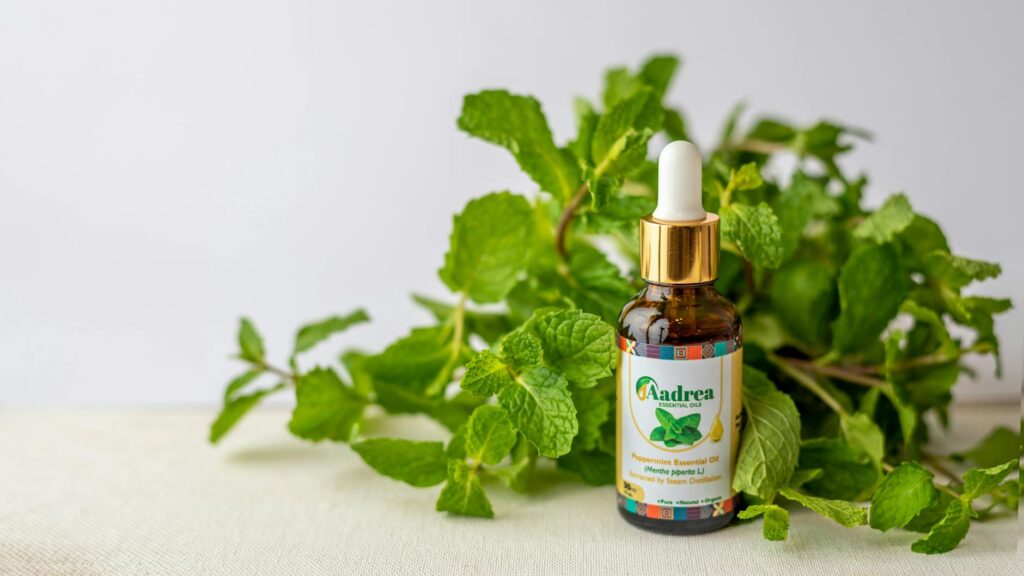
- Dark Glass Containers: Always store peppermint oil in a dark glass bottle to protect it from light, which can degrade its quality.
- Cool, Dry Place: Keep the oil in a cool, dry location, away from direct sunlight and heat sources. A cabinet or drawer is ideal.
- Shelf Life: When stored properly, peppermint oil has a shelf life of approximately 3-5 years. However, it is advisable to check for any changes in smell, color, or consistency before use, as these can indicate spoilage.
Common Uses
Peppermint oil is versatile and can be employed in various forms:
Aromatherapy Applications
In aromatherapy, peppermint oil is often blended with other essential oils to create synergistic effects. Some common combinations include:
To use peppermint oil in aromatherapy, consider the following methods:
1. Diffusion: Add a few drops of peppermint oil to a diffuser filled with water. The aroma will disperse throughout the space, providing an energizing atmosphere.
2. Inhalation: Place a drop or two on a tissue or cotton ball and inhale deeply to experience the invigorating aroma directly.
3. Bathing: A few drops of peppermint oil can be added to bathwater for a revitalizing experience. Ensure it is diluted in a carrier oil to avoid skin irritation.
Safety Considerations
Safety is paramount when using essential oils, including peppermint oil. Here are key considerations to keep in mind:
Storage and Shelf Life
Proper storage of peppermint oil is crucial to maintaining its potency and safety. Here are some guidelines:
Frequently Asked Questions
1. Can I ingest peppermint oil?
While peppermint oil is commonly used in culinary applications, it is important to use it sparingly and ensure it is food-grade. Always consult a qualified expert before ingesting any essential oil.
2. How do I know if peppermint oil is pure?
To ensure the purity of peppermint oil, look for reputable brands that provide third-party testing or certifications. Essential oils should be labeled as 100% pure and free from additives.
3. Is peppermint oil safe for children?
Peppermint oil can be used with caution around children over the age of two, but it is essential to dilute it appropriately and consult specific guidelines for age-appropriate use.
4. Can I use peppermint oil in a diffuser?
Yes, peppermint oil is safe to use in a diffuser. Follow the manufacturer’s guidelines for the appropriate amount of oil to use.
5. What should I do if I experience irritation from peppermint oil?
If you experience irritation or an allergic reaction after using peppermint oil, discontinue use immediately and wash the affected area with soap and water. If symptoms persist, seek professional medical advice.
Conclusion
Peppermint oil is a versatile essential oil with numerous benefits, but its safe use is paramount. By understanding its properties, common applications, and safety considerations, users can enjoy the invigorating effects of peppermint oil while minimizing risks. Always prioritize safety and consult with knowledgeable sources to ensure a positive experience with this aromatic and beneficial oil.