
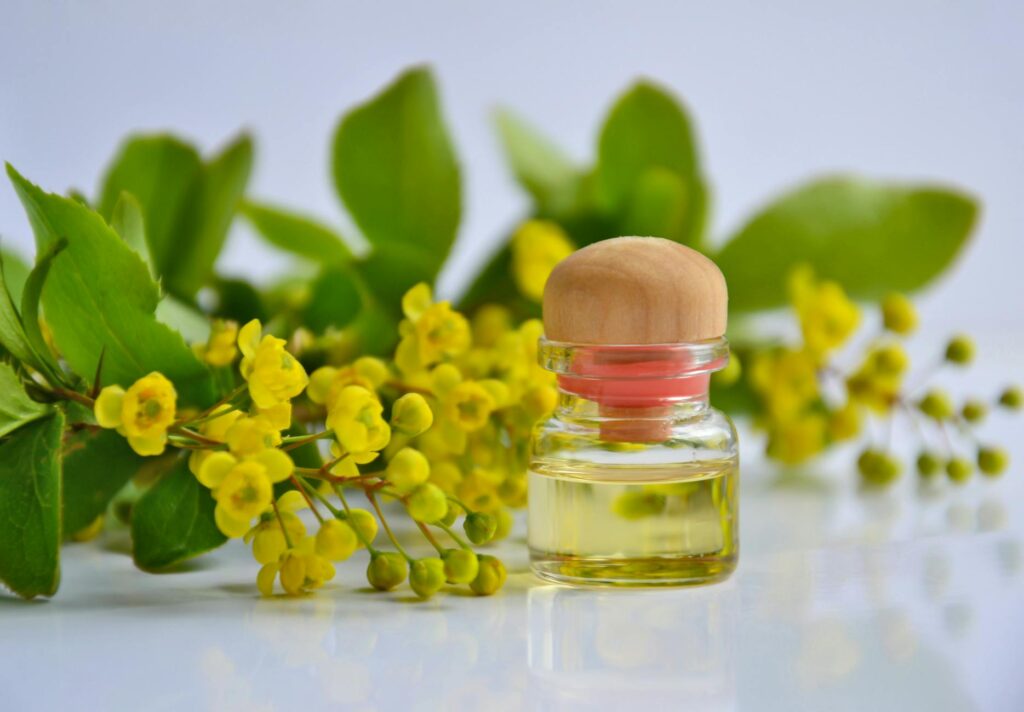
Benefits of Poppy Seed Oil
Introduction
Poppy seed oil, derived from the seeds of the opium poppy (Papaver somniferum), is gaining recognition for its diverse range of culinary and therapeutic benefits. While the seeds themselves have been utilized in various cuisines for centuries, the oil extracted from them is increasingly appreciated in both skincare and aromatherapy. This article delves into the origins, properties, and applications of poppy seed oil, providing a comprehensive overview for those interested in the benefits of this unique oil.
What Is Poppy Seed Oil?
Poppy seed oil is extracted through a cold-pressing method from the tiny seeds of the opium poppy plant. The seeds are small, round, and typically greyish-blue or black in color. Although the opium poppy is commonly associated with narcotic substances, the seeds do not contain significant amounts of opiates and are safe for consumption and topical use.
The oil has a light texture and a mild, nutty flavor, making it a popular ingredient in various culinary dishes. Beyond its gastronomic applications, poppy seed oil is increasingly being explored for its potential benefits in skincare and aromatherapy.
Key Benefits and Properties
Nutritional Profile
Poppy seed oil boasts a rich nutritional profile, containing essential fatty acids, vitamins, and minerals. It is particularly high in:
- Linoleic Acid (Omega-6): This essential fatty acid is known for its skin-nourishing properties.
- Oleic Acid (Omega-9): Another beneficial fatty acid that can help maintain skin moisture and elasticity.
- Vitamins: Poppy seed oil contains vitamin E, a powerful antioxidant that can support skin health.
- Minerals: It includes trace amounts of calcium, magnesium, and iron.
- Allergies: Individuals with known allergies to poppy seeds or related plants should exercise caution.
- Patch Test: It is advisable to conduct a patch test before using the oil on larger areas of the skin to check for any adverse reactions.
- Consultation: Pregnant or nursing women and individuals with specific health conditions should consult a healthcare provider before incorporating poppy seed oil into their regimen.
- Cool, Dark Place: Store the oil in a cool, dark area away from direct sunlight and heat sources to prevent oxidation.
- Sealed Container: Keep the oil in a tightly sealed container to minimize exposure to air, which can degrade its quality.
- Shelf Life: When stored properly, poppy seed oil can have a shelf life of approximately six months to a year. Always check for any off odors or changes in color before use.
Skin Benefits
The oil is often praised for its moisturizing and emollient properties. It can help hydrate the skin, making it a valuable ingredient in skincare formulations. Its light texture allows for easy absorption, making it suitable for various skin types, including oily and sensitive skin.
Anti-Inflammatory Properties
Poppy seed oil is believed to possess anti-inflammatory properties, which may help soothe irritated skin and reduce redness. This makes it an excellent addition to formulations designed for sensitive or inflamed skin conditions.
Antioxidant Activity
The presence of vitamin E in poppy seed oil contributes to its antioxidant properties, helping to combat oxidative stress and protect the skin from environmental damage.
Common Uses
Culinary Applications
In cooking, poppy seed oil is often used as a salad dressing base, in marinades, or as a finishing oil to drizzle over dishes for added flavor. Its mild taste complements a variety of foods, from roasted vegetables to pasta dishes.
Skincare Products
Poppy seed oil is frequently found in lotions, creams, and serums due to its moisturizing properties. It can be used as a standalone oil for body massage or mixed with essential oils for added therapeutic benefits.
Hair Care
The nourishing properties of poppy seed oil can also benefit hair health. It is used in hair masks and conditioners to help restore shine, reduce dryness, and improve overall hair texture.
Aromatherapy Applications
In the realm of aromatherapy, poppy seed oil is often blended with other essential oils to create soothing and calming mixtures. Its subtle scent can enhance relaxation and promote a sense of well-being.
Blending with Essential Oils
Poppy seed oil can serve as a carrier oil for essential oils, allowing for safe topical application. It blends well with oils such as lavender, chamomile, and bergamot, making it ideal for stress-relief blends and massage oils.
Diffusion
Although not commonly used for diffusion due to its mild scent, poppy seed oil can be included in aromatherapy blends to enhance the overall aroma profile when combined with more fragrant essential oils.
Safety Considerations
While poppy seed oil is generally regarded as safe for consumption and topical application, there are a few considerations to keep in mind:
Storage and Shelf Life
To maintain the quality and potency of poppy seed oil, proper storage is essential. Here are some tips:
Frequently Asked Questions
1. Can poppy seed oil be used for cooking?
Yes, poppy seed oil is safe for culinary use and is often used in salad dressings and as a finishing oil. Its mild flavor complements many dishes.
2. Is poppy seed oil suitable for all skin types?
Poppy seed oil is generally suitable for various skin types due to its lightweight and moisturizing properties. However, individuals with specific skin concerns should conduct a patch test before use.
3. Can I use poppy seed oil in aromatherapy?
Yes, poppy seed oil can be used as a carrier oil in aromatherapy blends. It pairs well with various essential oils to enhance relaxation and well-being.
4. How should I store poppy seed oil?
Store poppy seed oil in a cool, dark place in a tightly sealed container to maintain its quality. Avoid exposure to heat and sunlight.
5. Does poppy seed oil have any side effects?
Poppy seed oil is generally safe for most people. However, individuals with allergies to poppy seeds should avoid it, and those with specific health conditions should consult a healthcare provider.
Conclusion
Poppy seed oil is a versatile and beneficial oil with a long history of culinary and therapeutic use. Its rich nutritional profile, moisturizing properties, and potential benefits in skincare and aromatherapy make it a valuable addition to various applications. As always, it is essential to use the oil responsibly and to consult with professionals when necessary to ensure safe usage. Whether you are looking to enhance your culinary experiences or explore its skincare benefits, poppy seed oil offers a wealth of possibilities.