
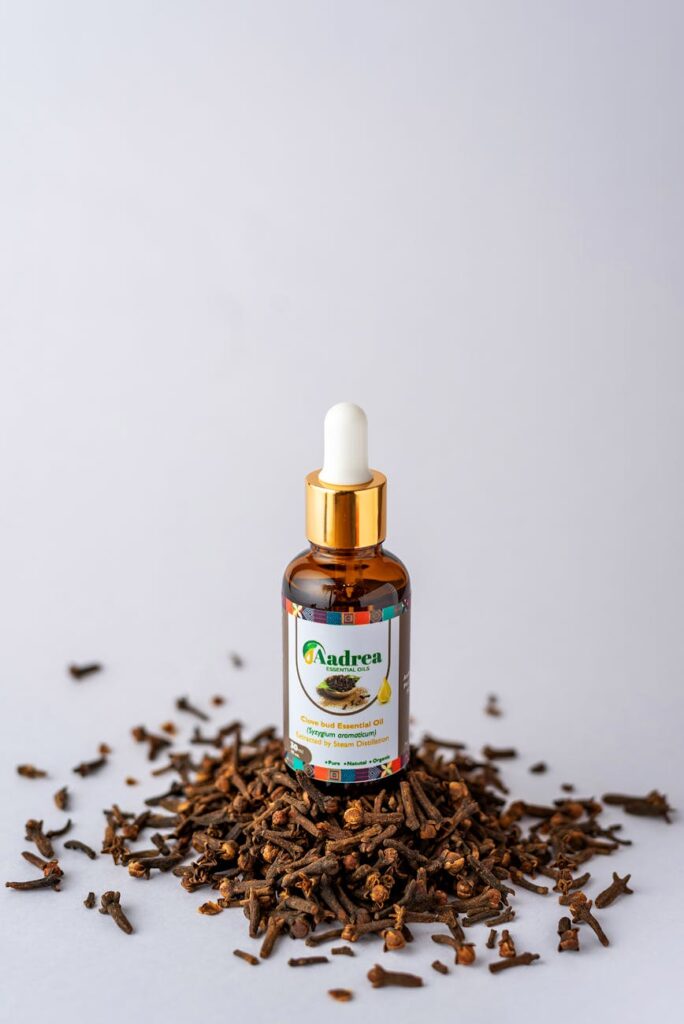
Benefits of Resin Extracts
Introduction
Resin extracts have been utilized for centuries in various cultures for their aromatic properties and potential therapeutic benefits. Derived from the sap of trees and plants, these extracts are rich in volatile compounds that can influence mood, promote relaxation, and enhance overall well-being. As interest in natural remedies and holistic practices continues to grow, understanding the properties and uses of resin extracts becomes increasingly relevant for those seeking alternatives to synthetic products.
What Are Resin Extracts?
Resin extracts are derived from the sticky substances produced by certain trees and plants, often as a defense mechanism against pests, pathogens, and environmental stressors. Common sources of resin include trees like frankincense (Boswellia spp.), myrrh (Commiphora spp.), and pine (Pinus spp.). The extraction process typically involves collecting the raw resin, which is then purified and distilled to yield essential oils or tinctures.
These extracts are complex mixtures of various chemical compounds, including terpenes, sesquiterpenes, and phenolic compounds, each contributing to their unique scent and properties. The aromatic profile of resin extracts can range from sweet and woody to earthy and spicy, making them versatile additions to both personal care products and household applications.
Key Benefits and Properties
1. Aromatic Qualities: The primary appeal of resin extracts lies in their rich and diverse aromas. They can evoke feelings of warmth, comfort, and grounding, enhancing the sensory experience of any environment.
2. Mood Enhancement: Many resin extracts are believed to have mood-lifting properties. For example, frankincense is often associated with promoting a sense of peace and tranquility, while pine resin may invigorate and energize.
3. Antioxidant Properties: Some studies suggest that certain resins possess antioxidant properties, which can help combat oxidative stress in the body. This may contribute to overall well-being, though more research is needed to substantiate these claims fully.
4. Anti-Inflammatory Effects: Resin extracts like myrrh have been traditionally used for their potential anti-inflammatory properties, making them popular choices in various wellness practices.
5. Antimicrobial Activity: Certain resin extracts exhibit antimicrobial properties, which can be beneficial in natural cleaning solutions and personal care products. This quality makes them valuable for maintaining hygiene in various settings.
6. Support for Meditation and Mindfulness: The calming aromas of resin extracts are often incorporated into meditation practices, enhancing focus and promoting a deeper connection to the present moment.
Common Uses
Resin extracts can be found in a variety of applications, including:
- Incense and Rituals: Many cultures have used resin extracts in incense for spiritual practices and ceremonial rituals. The aromatic smoke is believed to purify the air and elevate the spiritual experience.
- Essential Oils: Resin extracts are popular in essential oil formulations, either as standalone oils or in blends. They are often used in diffusers, massage oils, and skincare products.
- Natural Remedies: While not a substitute for professional medical advice, resin extracts have been integrated into natural remedies and herbal preparations as a part of holistic health practices.
- Crafting and Artisanal Products: Resin extracts can also be utilized in crafting processes, including candle making, soap making, and other artisanal products that benefit from their unique aromas.
Aromatherapy Applications
In aromatherapy, resin extracts are valued for their ability to affect emotional and psychological states. Here are some common applications:
1. Diffusion: Using a diffuser to disperse resin extracts into the air can create a calming atmosphere, making them suitable for relaxation spaces, meditation rooms, or even living areas.
2. Massage: When diluted with a carrier oil, resin extracts can be incorporated into massage oils to provide both aromatic benefits and potential soothing effects on sore muscles.
3. Bathing: Adding resin extracts to bathwater can enhance the bathing experience, promoting relaxation and stress relief during a calming soak.
4. Inhalation: Direct inhalation of resin extracts, whether from a bottle or through steam inhalation, can provide immediate aromatic benefits, helping to clear the mind and enhance focus.
Safety Considerations
While resin extracts are generally regarded as safe when used properly, it is essential to consider a few safety precautions:
1. Skin Sensitivity: Some individuals may experience skin irritation or allergic reactions to certain resin extracts. It is advisable to perform a patch test before applying them topically.
2. Dilution: When using resin extracts in massage or skincare applications, always dilute them with a carrier oil to minimize potential irritation.
3. Pregnancy and Nursing: Pregnant or nursing individuals should consult with a healthcare professional before using resin extracts, as some may not be suitable during this time.
4. Children: Certain resin extracts may not be safe for use with young children. Always ensure that any products used are appropriate for their age group.
5. Quality and Purity: Ensure that the resin extracts you purchase are from reputable sources, as the quality can vary significantly. Look for products that are 100% pure and free from synthetic additives or fillers.
Storage and Shelf Life
Proper storage of resin extracts is crucial to maintain their potency and aromatic qualities. Here are some guidelines:
1. Cool, Dark Place: Store resin extracts away from direct sunlight and heat sources. A cool, dark cabinet or drawer is ideal for maintaining their integrity.
2. Sealed Containers: Keep resin extracts in tightly sealed containers to prevent oxidation and contamination. Dark glass bottles are preferable, as they protect the contents from light exposure.
3. Shelf Life: The shelf life of resin extracts can vary depending on the type and how they are stored. Generally, when kept properly, they can last for several years. However, it is advisable to check for any changes in aroma or appearance before use.
Frequently Asked Questions
1. What are the most common types of resin extracts?
Common resin extracts include frankincense, myrrh, pine resin, and benzoin. Each type has its unique aroma and properties.
2. Can resin extracts be ingested?
Ingesting resin extracts is not recommended without professional guidance. They are primarily used for aromatherapy and topical applications.
3. Are resin extracts safe for pets?
Some resin extracts can be harmful to pets, especially cats and dogs. It is advisable to consult with a veterinarian before using any aromatic substances around animals.
4. How can I incorporate resin extracts into my daily routine?
You can add resin extracts to your daily routine by using them in diffusers, during meditation, in massage oils, or even in homemade cleaning products.
5. Are there any contraindications for using resin extracts?
Certain individuals, such as those with allergies or sensitivities, may need to avoid specific resin extracts. Always consult with a professional if you have concerns.
Conclusion
Resin extracts offer a wealth of aromatic and potential therapeutic benefits, making them valuable additions to holistic practices and natural products. While they have been cherished for centuries, modern interest in their properties and applications continues to grow. By understanding their unique characteristics and proper usage, individuals can enhance their well-being and create a more harmonious environment in their daily lives.