
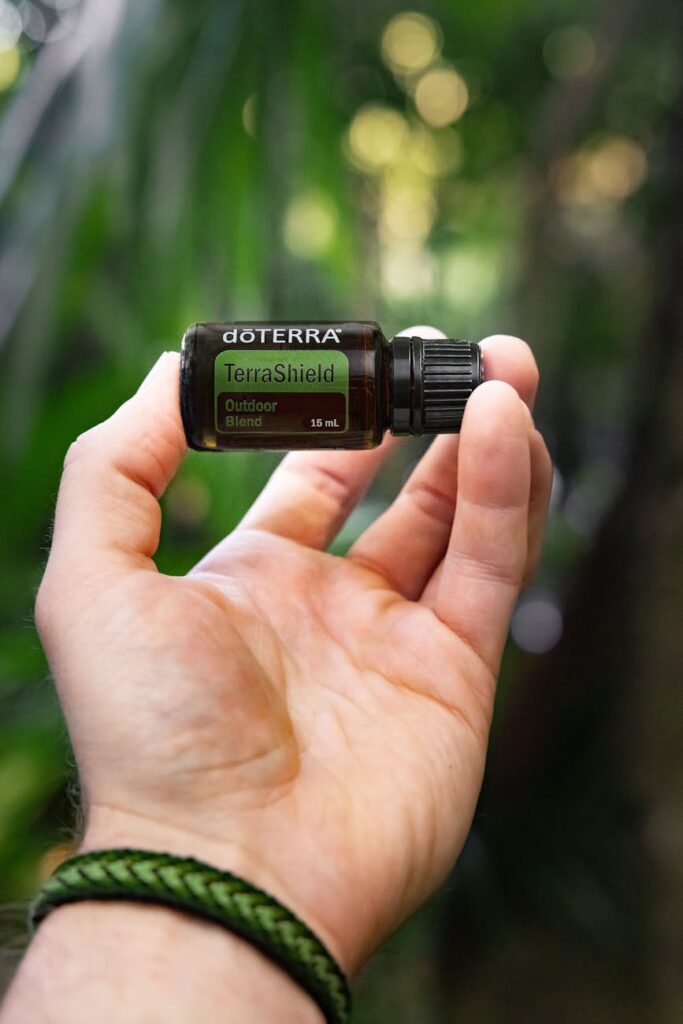
Benefits of Respiratory Blends
Introduction
Essential oils and aromatherapy have garnered significant attention for their potential benefits in enhancing well-being. Among the various formulations, respiratory blends have emerged as a popular choice for individuals seeking support in maintaining healthy respiratory function. These blends typically combine several essential oils known for their soothing, clearing, and invigorating properties, making them valuable in both holistic practices and everyday life.
What Is Respiratory Blends?
Respiratory blends are specialized mixtures of essential oils designed to promote respiratory health. These formulations usually contain oils derived from plants that have been traditionally associated with respiratory support. Commonly included essential oils are eucalyptus, peppermint, tea tree, and lavender, among others. Each oil contributes its unique properties, working synergistically to enhance overall effectiveness.
The components of respiratory blends can vary widely depending on the intended use and the preferences of the user. While some formulations may focus on clearing the airways, others might aim to provide relaxation during stressful situations or support overall lung health.
Key Benefits and Properties
1. Airway Clearance
Many essential oils used in respiratory blends possess expectorant properties, which can help in loosening mucus and promoting clearer airways. Eucalyptus oil, for example, is known for its ability to support respiratory function by helping to open up the air passages.
2. Anti-Inflammatory Effects
Several oils in respiratory blends may also have anti-inflammatory properties. Oils such as peppermint and tea tree are thought to help reduce irritation in the airways, providing a soothing effect that can lead to easier breathing.
3. Antimicrobial Activity
Essential oils like tea tree and thyme have been recognized for their potential antimicrobial effects. These properties can help create a cleaner environment, reducing the presence of airborne pathogens that may contribute to respiratory discomfort.
4. Relaxation and Stress Relief
Aromatic compounds in oils like lavender and chamomile can provide a calming effect, which may be beneficial during times of stress or anxiety. Breathing in a respiratory blend can create a sense of tranquility, promoting deeper and more relaxed breathing.
5. Mood Enhancement
The uplifting scents of certain essential oils can enhance mood and create a positive atmosphere. When used in conjunction with breathing exercises or meditation, respiratory blends can elevate emotional well-being.
Common Uses
Respiratory blends can be used in various ways, each contributing to the overall experience and benefits of aromatherapy.
1. Diffusion
One of the most popular methods of using respiratory blends is through diffusion. This method disperses essential oils into the air, allowing individuals to inhale the beneficial compounds. Diffusers come in a variety of styles, including ultrasonic, nebulizing, and heat-based options.
2. Inhalation
Direct inhalation is another effective way to experience respiratory blends. This can be done by placing a few drops of the blend on a tissue or cotton ball and inhaling deeply. Inhalation can provide immediate effects, making it a convenient option for on-the-go use.
3. Topical Application
Some individuals choose to apply respiratory blends topically, often diluted in a carrier oil. This method allows the oils to be absorbed through the skin, providing localized support. Common application areas include the chest, neck, and pulse points.
4. Bathing
Adding a few drops of respiratory blend oils to a warm bath can create a soothing and aromatic experience. The steam from the warm water can enhance the inhalation of the oils, promoting relaxation while supporting respiratory health.
Aromatherapy Applications
In the realm of aromatherapy, respiratory blends can be integrated into various practices:
1. Yoga and Meditation
Incorporating respiratory blends into yoga or meditation practices can enhance the experience. The calming and uplifting properties of the oils can help deepen breathing and promote mindfulness.
2. Massage
When combined with carrier oils, respiratory blends can be used during massage therapy. This combination can provide both relaxation and respiratory support, making it a valuable addition to wellness sessions.
3. Seasonal Support
During times of seasonal change, respiratory blends can be particularly beneficial. They can help ease discomfort associated with environmental factors, such as pollen or changes in humidity.
Safety Considerations
While respiratory blends can offer numerous benefits, it is essential to approach their use with caution:
1. Skin Sensitivity
Some essential oils can cause skin irritation or sensitivity when applied topically. It is advisable to perform a patch test before widespread use and to dilute the oils appropriately in a carrier oil.
2. Allergies and Sensitivities
Individuals with allergies or respiratory conditions should consult with a healthcare professional before using respiratory blends. Certain oils may exacerbate symptoms in sensitive individuals.
3. Pregnancy and Nursing
Pregnant or nursing individuals should exercise caution when using essential oils. Some oils may not be suitable during these periods, so consultation with a qualified healthcare professional is recommended.
4. Quality of Oils
The quality of essential oils can vary significantly among brands. It is crucial to choose high-quality, pure oils from reputable sources to ensure safety and efficacy.
Storage and Shelf Life
Proper storage of essential oils is vital to maintaining their potency. Here are some guidelines:
1. Dark Glass Containers
Essential oils should be stored in dark glass containers to protect them from light, which can degrade their quality over time.
2. Cool, Dry Place
Keeping oils in a cool, dry place away from direct sunlight can help extend their shelf life. Avoid storing essential oils in places with high temperatures or humidity, such as bathrooms.
3. Shelf Life
The shelf life of essential oils can vary widely based on the type of oil and how it is stored. Generally, most essential oils can last for one to three years if stored properly. However, it is advisable to check for changes in scent or appearance, which may indicate that the oil has expired.
Frequently Asked Questions
1. Can I create my own respiratory blend?
Yes, creating your own respiratory blend is possible, provided you understand the properties of the essential oils you choose. Start with a base oil and gradually add different oils to find a combination that works for you.
2. Are respiratory blends safe for children?
While some respiratory blends can be safe for children, it’s essential to use caution. Always dilute oils appropriately and consult with a healthcare professional for recommendations specific to children.
3. How often should I use respiratory blends?
The frequency of use can vary based on personal preference and the specific blend. Generally, respiratory blends can be used as needed, whether for relaxation, during exercise, or throughout the day.
4. Can respiratory blends replace traditional medicine?
Respiratory blends are not a substitute for medical treatment. They can complement a wellness routine but should not replace prescribed medications or therapies. Always consult with a healthcare professional for health concerns.
5. Where can I find quality respiratory blends?
Quality respiratory blends are available at health food stores, specialty wellness shops, and reputable online retailers. Always check for certifications and reviews to ensure product quality.
Conclusion
Respiratory blends represent a fascinating intersection between nature and wellness, offering a variety of benefits for individuals seeking to support their respiratory health. By understanding their properties, common uses, and safety considerations, users can make informed decisions about incorporating these blends into their daily routines. While not a replacement for medical treatment, respiratory blends can serve as a valuable tool in promoting overall well-being and enhancing the quality of life.