
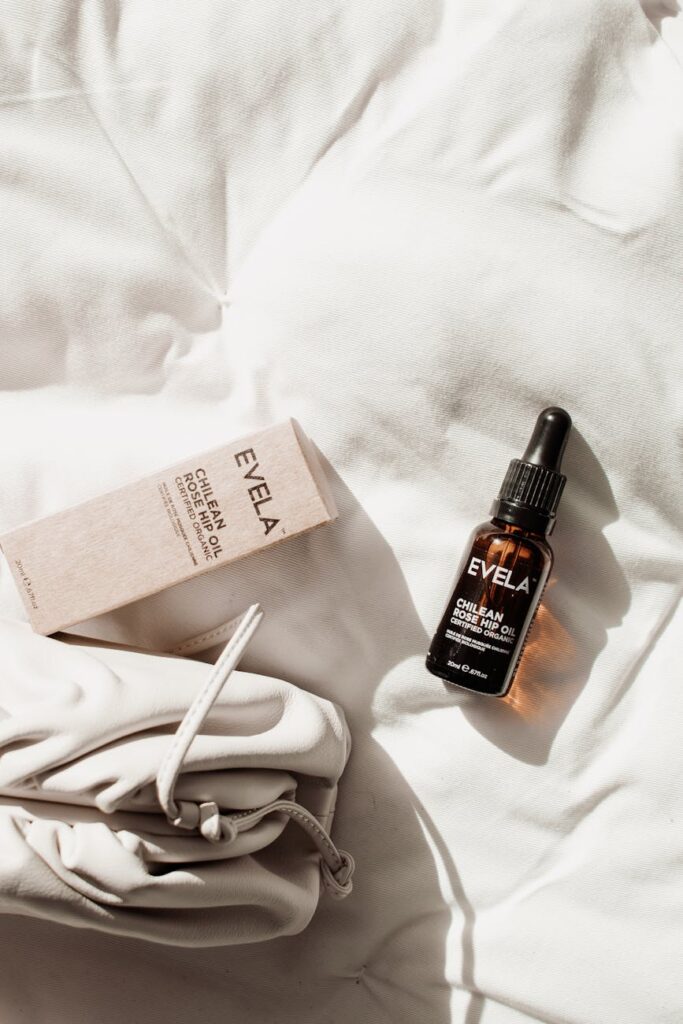
Benefits of Rosehip Oil
Introduction
Rosehip oil, derived from the seeds of the wild rose bush (Rosa canina), has garnered significant attention in recent years for its rich nutrient profile and potential benefits for skin health, beauty, and overall wellness. Known for its high content of fatty acids, vitamins, and antioxidants, rosehip oil is often celebrated in the realm of natural skincare. This article delves into the properties, uses, and benefits of rosehip oil, providing a comprehensive overview for those interested in incorporating this oil into their routines.
What Is Rosehip Oil?
Rosehip oil is extracted from the seeds of the fruit of the Rosa canina plant, which is predominantly found in the southern regions of South America, particularly in Chile. The oil is obtained through cold-pressing the seeds, ensuring that the delicate properties of the oil remain intact. This process yields a light, non-greasy oil that is often characterized by its slightly nutty aroma and golden to reddish-orange hue.
Rich in essential fatty acids such as linoleic acid (omega-6) and alpha-linolenic acid (omega-3), rosehip oil is also packed with vitamins A, C, and E, as well as antioxidants that contribute to its nourishing and restorative qualities. These components make it a valuable addition to skincare routines aimed at promoting healthy skin.
Key Benefits and Properties
1. Skin Hydration and Moisture Retention
Rosehip oil is renowned for its ability to hydrate and lock in moisture. Its high concentration of essential fatty acids helps to reinforce the skin’s natural barrier, preventing moisture loss and keeping the skin supple and soft. This property makes it particularly beneficial for individuals with dry or dehydrated skin.
2. Anti-Aging Effects
The oil’s rich vitamin A content, particularly in the form of retinoids, contributes to its anti-aging properties. Vitamin A is known to promote skin cell turnover, helping to reduce the appearance of fine lines and wrinkles. Additionally, the antioxidants present in rosehip oil combat free radical damage, which can accelerate the aging process.
3. Skin Tone and Texture Improvement
Rosehip oil is often credited with improving skin tone and texture. The presence of vitamin C supports collagen production, which is essential for maintaining skin elasticity and firmness. Regular application can lead to a more even skin tone, reducing the appearance of dark spots and hyperpigmentation.
4. Soothing Inflammation
The anti-inflammatory properties of rosehip oil can help soothe irritated skin, making it beneficial for conditions such as eczema and rosacea. Its ability to calm redness and swelling supports skin healing and promotes a balanced complexion.
5. Wound Healing and Scarring
Research suggests that rosehip oil may aid in wound healing and the reduction of scars. The combination of essential fatty acids and vitamins promotes tissue regeneration and can enhance the appearance of scars and stretch marks over time.
Common Uses
Rosehip oil can be utilized in a variety of ways, making it a versatile addition to personal care routines. Here are some common applications:
1. Facial Oil
Many individuals use rosehip oil as a facial oil, applying it directly to cleansed skin or mixing it with a moisturizer. Its lightweight texture makes it suitable for all skin types, including oily and combination skin.
2. Hair Treatment
Rosehip oil can also be effective for hair care. A few drops can be massaged into the scalp or applied to the hair to enhance shine, nourish dry strands, and reduce frizz.
3. Body Moisturizer
Incorporating rosehip oil into body lotions or creams can enhance hydration and improve overall skin texture. It can be particularly beneficial for dry areas such as elbows, knees, and feet.
4. Nail and Cuticle Care
The nourishing properties of rosehip oil make it an excellent choice for nail and cuticle care. Its application can help strengthen nails and keep cuticles soft and hydrated.
Aromatherapy Applications
While rosehip oil is primarily valued for its topical applications, it can also be integrated into aromatherapy practices. When used in combination with other essential oils, it can enhance the overall efficacy of blends aimed at relaxation or skin rejuvenation.
1. Blending with Other Oils
Rosehip oil can serve as a carrier oil for essential oils, making it suitable for massage and topical application. It blends well with oils like lavender, chamomile, and geranium, which can amplify its soothing and restorative effects.
2. Diffusion
Although rosehip oil is not typically used in diffusion due to its thicker consistency, it can be added to a diffuser blend when combined with lighter essential oils, creating a calming atmosphere while benefiting from its therapeutic properties.
Safety Considerations
While rosehip oil is generally regarded as safe for topical use, there are a few considerations to keep in mind:
1. Patch Test
As with any new skincare product, it is recommended to conduct a patch test prior to full application. Apply a small amount of the oil to a discreet area of skin to check for any adverse reactions.
2. Allergies
Individuals with known allergies to roses or related plants should exercise caution and consult a healthcare professional before using rosehip oil.
3. Quality of the Oil
The efficacy of rosehip oil can vary depending on the quality and purity of the product. It is advisable to choose organic, cold-pressed rosehip oil from reputable sources to ensure its beneficial properties.
Storage and Shelf Life
To maintain the quality and longevity of rosehip oil, proper storage is essential:
1. Storage Conditions
Rosehip oil should be stored in a cool, dark place, away from direct sunlight and heat. This helps prevent oxidation and degradation of the oil’s beneficial compounds.
2. Shelf Life
When stored correctly, rosehip oil typically has a shelf life of about 6 to 12 months. However, it is advisable to check for any changes in smell, color, or consistency, which may indicate that the oil has gone bad.
Frequently Asked Questions
1. Can rosehip oil be used on all skin types?
Yes, rosehip oil is suitable for all skin types, including oily, dry, and sensitive skin. Its lightweight texture allows it to be absorbed easily without clogging pores.
2. How often should I use rosehip oil?
The frequency of application can vary based on personal preference. Many individuals find that using rosehip oil once or twice daily yields the best results.
3. Can rosehip oil help with acne?
While rosehip oil may not directly treat acne, its anti-inflammatory properties can help soothe irritated skin, and its ability to promote skin regeneration may aid in reducing the appearance of acne scars.
4. Is rosehip oil safe for pregnant women?
As rosehip oil is a natural product, it is generally considered safe for topical use during pregnancy. However, it is advisable to consult with a healthcare provider for personalized guidance.
5. Can rosehip oil be used on the face under makeup?
Yes, many individuals use rosehip oil as a base or primer underneath makeup. Its hydrating properties can create a smooth canvas for makeup application.
Conclusion
Rosehip oil is a versatile and beneficial oil that has found its place in the natural skincare and wellness communities. With its array of nutrients and properties, it supports hydration, anti-aging, and skin healing, making it an excellent addition to any personal care routine. By understanding its uses, benefits, and safe application, individuals can harness the power of rosehip oil to enhance their skin health and overall well-being.