
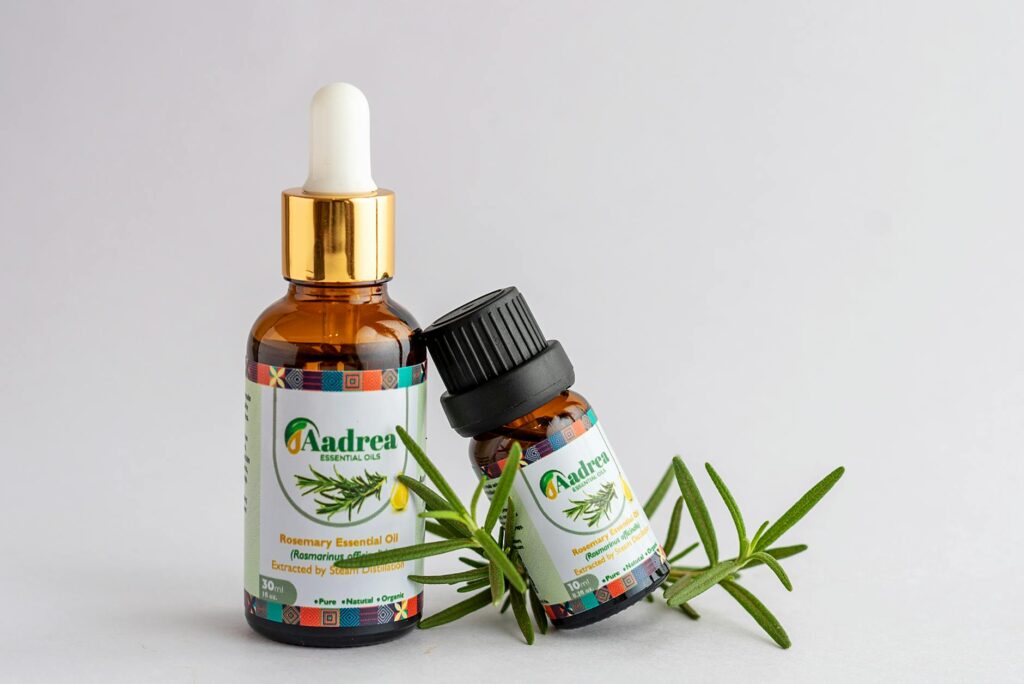
Benefits of Rosemary Essential Oil
Introduction
Rosemary (Rosmarinus officinalis) is a fragrant herb native to the Mediterranean region, known for its culinary use as well as its medicinal properties. The essential oil extracted from its leaves and flowers has gained popularity in aromatherapy, cosmetics, and holistic health practices. This article explores the various benefits and properties of rosemary essential oil, its common uses, applications in aromatherapy, and important safety considerations.
What Is Rosemary Essential Oil?
Rosemary essential oil is derived from the leaves and flowering tops of the rosemary plant through a process called steam distillation. The oil is characterized by its fresh, herbaceous scent, reminiscent of pine and mint, with a hint of woodiness. The chemical composition of rosemary essential oil includes compounds such as camphor, 1,8-cineole, and rosmarinic acid, which contribute to its distinctive aroma and therapeutic properties.
Key Benefits and Properties
1. Cognitive Enhancement
One of the most widely recognized benefits of rosemary essential oil is its potential cognitive-enhancing properties. Research suggests that the aroma of rosemary may help improve concentration, memory retention, and overall mental clarity. The oil is often used in study environments to create a stimulating atmosphere conducive to focus.
2. Antioxidant Properties
Rosemary essential oil contains powerful antioxidants that help combat oxidative stress in the body. Antioxidants play a critical role in neutralizing free radicals, which can lead to cellular damage and contribute to aging and disease. By incorporating rosemary oil into daily routines, individuals may harness its protective effects against oxidative damage.
3. Anti-Inflammatory Effects
The anti-inflammatory properties of rosemary essential oil could provide relief from various inflammatory conditions. Its active compounds may help reduce inflammation in the body, making it a popular choice for topical applications in massage oils and creams.
4. Antimicrobial Activity
Rosemary essential oil has demonstrated antimicrobial properties, effective against a range of bacteria and fungi. This makes it a useful addition to household cleaning products and personal care items, as it can help inhibit the growth of pathogens.
5. Hair Health
Rosemary essential oil is often used in hair care products for its ability to promote hair growth and improve scalp health. It is believed to stimulate blood circulation in the scalp, which may encourage hair follicles to produce healthier hair.
6. Mood Enhancement
The uplifting aroma of rosemary essential oil is thought to have mood-boosting effects. It may help alleviate feelings of stress and anxiety, promoting a sense of calm and well-being. Incorporating rosemary oil into a daily routine could foster a more positive emotional state.
Common Uses
Rosemary essential oil can be used in various ways, each capitalizing on its unique properties:
1. Aromatherapy
Inhalation of rosemary essential oil through diffusers or steam inhalation is a common practice in aromatherapy to enhance focus and uplift mood.
2. Topical Application
When diluted with a carrier oil, rosemary essential oil can be applied directly to the skin. It is often used in massage oils, lotions, and hair care products.
3. Household Cleaning
Due to its antimicrobial properties, rosemary essential oil can be added to DIY cleaning products, enhancing their effectiveness while imparting a pleasant scent.
4. Culinary Uses
While not as common as culinary herbs, rosemary essential oil can be used sparingly in cooking. It is important to ensure that the oil is food-grade if intended for culinary use.
Aromatherapy Applications
1. Diffusion
Using a diffuser, a few drops of rosemary essential oil can be dispersed into the air, creating an invigorating atmosphere. This method is ideal for study rooms, offices, and living spaces where enhanced focus and energy are desired.
2. Inhalation
Inhalation techniques, such as steaming or simply placing a drop of rosemary oil on a tissue, allow for direct exposure to its aromatic compounds. This can be beneficial during moments of fatigue or mental fog.
3. Bath Soaks
Adding rosemary essential oil to bathwater can create a relaxing and aromatic experience. It is often combined with Epsom salts to enhance relaxation and soothe tired muscles.
4. Massage
When diluted with a carrier oil, rosemary essential oil can be used in massage therapies to relieve muscle tension and promote relaxation. The combination of aromatic inhalation and skin absorption can enhance the overall experience.
Safety Considerations
While rosemary essential oil is generally considered safe for most people when used appropriately, there are several safety considerations to keep in mind:
1. Skin Sensitivity
Before applying rosemary essential oil to the skin, it is advisable to conduct a patch test to check for any allergic reactions. Dilution with a carrier oil is essential to minimize the risk of skin irritation.
2. Pregnant or Nursing Individuals
Pregnant and nursing individuals should consult a healthcare professional before using rosemary essential oil, as its effects during these periods are not well-studied.
3. Epilepsy and Seizure Disorders
People with epilepsy or a history of seizures should avoid using rosemary essential oil, as it may trigger seizures in susceptible individuals.
4. Children
Caution is advised when using rosemary essential oil around young children. It is best to consult with a healthcare professional before use.
Storage and Shelf Life
Proper storage of rosemary essential oil is essential to maintain its quality and effectiveness. Here are some tips for storage:
1. Keep It Cool and Dark
Store rosemary essential oil in a cool, dark place, away from direct sunlight and heat sources. This helps prevent the oil from degrading and losing its beneficial properties.
2. Use Dark Glass Bottles
Essential oils should be stored in dark glass bottles to protect them from light exposure. This helps preserve their potency and shelf life.
3. Check Expiration Dates
Most essential oils have a shelf life of 1 to 3 years, depending on the oil and storage conditions. Always check for expiration dates and signs of degradation, such as changes in color or scent.
Frequently Asked Questions
1. Can I use rosemary essential oil in cooking?
Yes, rosemary essential oil can be used in cooking, but it is crucial to ensure that the oil is food-grade. Use it sparingly, as essential oils are highly concentrated.
2. How can I use rosemary essential oil for hair growth?
To promote hair growth, dilute rosemary essential oil with a carrier oil, such as coconut or jojoba oil, and massage it into the scalp. Leave it on for at least 30 minutes before washing it out.
3. Is rosemary essential oil safe for pets?
While rosemary is generally safe for pets in small amounts, it is best to consult with a veterinarian before using essential oils around pets, especially cats and dogs.
4. How can I incorporate rosemary essential oil into my skincare routine?
Rosemary essential oil can be added to facial oils or creams when diluted properly. It is advisable to consult with a skincare professional to determine the best usage for your skin type.
Conclusion
Rosemary essential oil is a versatile and beneficial oil with a wide range of applications in aromatherapy, personal care, and household use. Its cognitive-enhancing properties, coupled with antioxidant, anti-inflammatory, and antimicrobial effects, make it a valuable addition to wellness routines. By following safety guidelines and proper storage practices, individuals can enjoy the myriad benefits of this remarkable essential oil.