
Benefits of Sage Essential Oil
Introduction
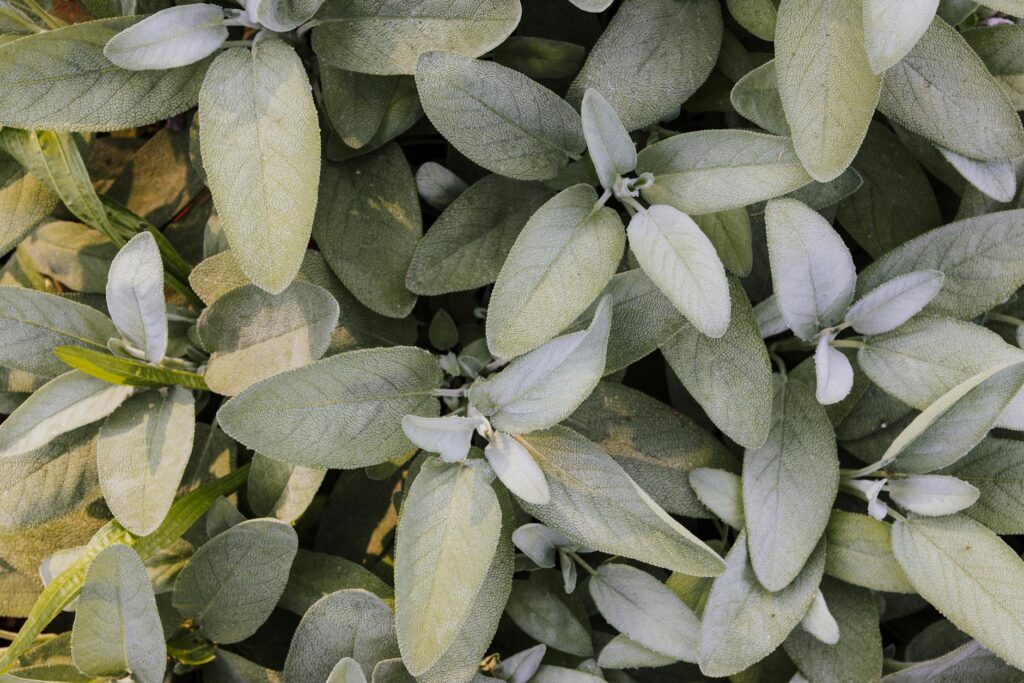
Sage essential oil, derived from the leaves of the Salvia officinalis plant, has been celebrated for centuries for its rich aroma and diverse applications. Known for its earthy and slightly peppery scent, sage oil is more than just a fragrant addition to your essential oil collection; it embodies a range of benefits that have garnered attention in both traditional and modern wellness practices. This article explores the various aspects of sage essential oil, including its properties, common uses, and safety considerations.
What Is Sage Essential Oil?
Sage essential oil is extracted through steam distillation of the leaves of the sage plant, which belongs to the Lamiaceae family. This perennial herb is native to the Mediterranean region and has been utilized in culinary, medicinal, and spiritual contexts throughout history. The oil possesses a complex chemical composition, including compounds such as thujone, camphor, and 1,8-cineole, which contribute to its unique scent and therapeutic properties.
Key Benefits and Properties
1. Antimicrobial Properties
Sage essential oil is known for its antimicrobial characteristics, making it a popular choice in natural cleaning products and personal care items. The oil has been shown to inhibit the growth of certain bacteria and fungi, potentially contributing to a cleaner environment when used in diffusers or cleaning solutions.
2. Mood Enhancement
The aromatic profile of sage oil has been linked to mood enhancement and emotional balance. Many users report feelings of grounding and clarity when using sage essential oil, making it a popular choice in aromatherapy practices designed to alleviate stress and anxiety.
3. Anti-inflammatory Effects
Sage essential oil may possess anti-inflammatory properties, which can be beneficial for soothing minor skin irritations or discomfort. While more research is needed to confirm these effects, many users have found it useful in topical applications for its calming scent and potential skin benefits.
4. Cognitive Support
Some studies suggest that sage essential oil may support cognitive function and memory. The oil’s stimulating aroma can help enhance concentration and clarity, making it a favored companion during study sessions or creative endeavors.
5. Hormonal Balance
Sage has been traditionally used to support hormonal balance, particularly in women. Its potential to impact hormonal activity can be beneficial during various life stages, though further research is necessary to substantiate these claims.
Common Uses
1. Aromatherapy
Sage essential oil is commonly used in aromatherapy, where it can be diffused in the air to create a calming atmosphere. Its earthy scent is often blended with other oils for a more complex fragrance.
2. Skin Care
Due to its antimicrobial and anti-inflammatory properties, sage essential oil can be incorporated into skincare routines. It may be added to carrier oils for topical applications or included in homemade skincare formulations.
3. Household Cleaning
The antimicrobial properties of sage essential oil make it an effective ingredient in natural cleaning solutions. It can be added to homemade sprays or used in diffusers to purify the air.
4. Culinary Uses
While sage essential oil should be used sparingly in culinary applications, it can add a unique flavor to dishes. However, it is crucial to ensure that the oil is safe for consumption, as not all essential oils are suitable for culinary use.
Aromatherapy Applications
Sage essential oil can be employed in various aromatherapy methods to enhance its benefits:
1. Diffusion
Using a diffuser, sage essential oil can be dispersed into the air, creating a calming environment. This method is especially beneficial for enhancing mood and promoting clarity during meditation or study.
2. Inhalation
Direct inhalation of sage essential oil from the bottle or a cotton ball can provide immediate mood-enhancing effects. This technique is often used for quick stress relief.
3. Bathing
Adding a few drops of sage essential oil to a warm bath can create a soothing experience, promoting relaxation and tranquility. Mixing it with a carrier oil is recommended to prevent skin sensitivity.
4. Massage
When diluted with a carrier oil, sage essential oil can be used for massage. This application allows for absorption through the skin while enjoying the aromatic benefits.
Safety Considerations
While sage essential oil is generally considered safe for most individuals when used correctly, there are important safety considerations to keep in mind:
1. Skin Sensitivity
Sage oil can cause skin irritation for some individuals. Performing a patch test before topical application is recommended.
2. Pregnancy and Nursing
Due to its potential hormonal effects, pregnant or nursing women should consult a healthcare professional before using sage essential oil.
3. Interaction with Medications
Sage essential oil may interact with certain medications. Individuals taking medication or with pre-existing health conditions should seek advice from a qualified health professional before use.
4. Dilution
Essential oils are highly concentrated and should always be diluted with a carrier oil before application to the skin to minimize the risk of irritation.
Storage and Shelf Life
To maintain the quality of sage essential oil, proper storage is essential. The oil should be kept in a cool, dark place, away from direct sunlight and heat sources. Using dark glass bottles can help protect the oil from light exposure. When stored correctly, sage essential oil can have a shelf life of 2 to 3 years.
Frequently Asked Questions
1. Can sage essential oil be ingested?
While some essential oils are safe for culinary use, sage essential oil should only be ingested under the guidance of a qualified health professional. Not all essential oils are meant for internal use.
2. How can I incorporate sage essential oil into my daily routine?
Sage essential oil can be added to your daily routine through diffusion, topical applications, or even in your bath. Experimenting with different methods can help you find what works best for you.
3. Is sage essential oil safe for children?
Due to its potency, sage essential oil is generally not recommended for young children. Always consult a healthcare professional for guidance on the use of essential oils with children.
4. Can sage essential oil help with anxiety?
Many users report that the aroma of sage essential oil helps promote a sense of calm and clarity, which may alleviate feelings of anxiety. However, individual experiences may vary.
5. What are the best blends for sage essential oil?
Sage essential oil pairs well with a variety of other essential oils, including lavender, frankincense, and bergamot. Combining these oils can create a harmonious and uplifting aroma.
Conclusion
Sage essential oil is a versatile addition to any essential oil collection, offering a range of potential benefits that span emotional well-being, cognitive support, and even household applications. By understanding its properties, uses, and safety considerations, individuals can harness the power of this remarkable oil to enhance their overall quality of life. Whether you choose to diffuse its calming aroma or incorporate it into your skincare routine, sage essential oil presents a wealth of possibilities for those seeking natural solutions.