
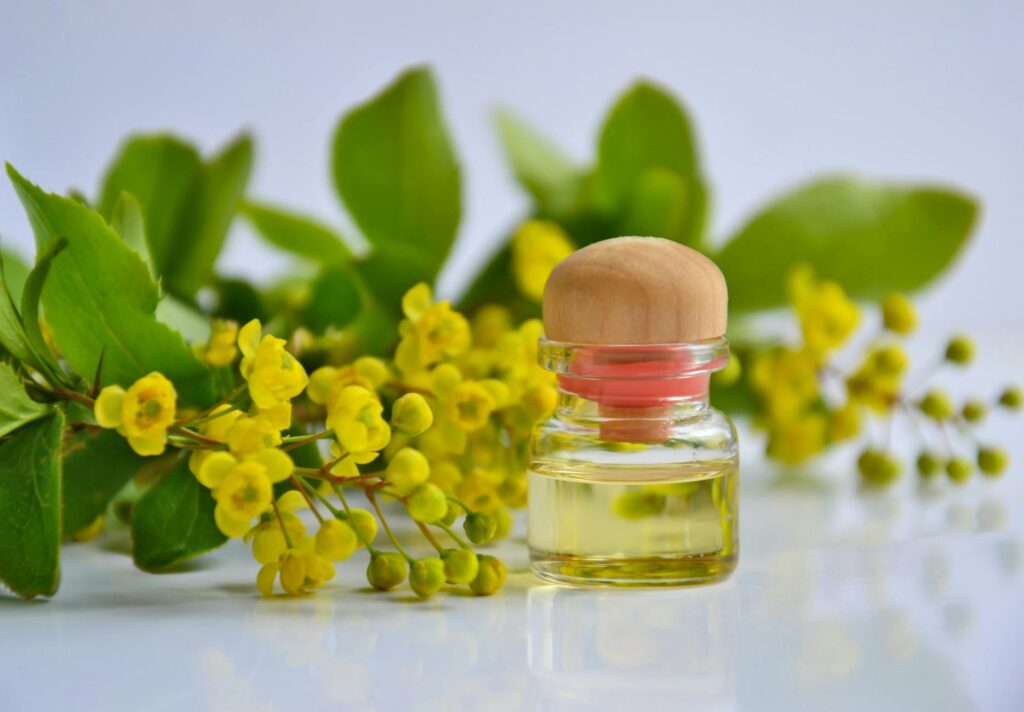
Benefits of Sage Oil Safety
Introduction
Sage oil, derived from the leaves of the Salvia officinalis plant, has been celebrated for its aromatic properties and traditional uses in various cultures. As interest in essential oils and their potential benefits continues to grow, understanding the safety of sage oil is paramount. This article aims to provide an in-depth exploration of sage oil safety, its benefits, common uses, and important precautions to ensure a safe and enjoyable experience with this aromatic substance.
What Is Sage Oil Safety?
Sage oil safety refers to the measures and considerations necessary to use sage essential oil safely and effectively. While sage oil is known for its therapeutic properties and rich history, it is essential to recognize that essential oils are highly concentrated plant extracts that can pose risks if not used correctly. This section will delve into the characteristics that define sage oil safety, including proper dilution, application methods, and the importance of sourcing high-quality oils.
Key Benefits and Properties
Sage oil is known for its diverse properties, which contribute to its popularity in aromatherapy and natural remedies. Some key benefits include:
1. Antimicrobial Properties: Sage oil has been shown to possess antimicrobial and antifungal properties, making it a valuable addition to natural cleaning products and personal care items.
2. Anti-Inflammatory Effects: The oil is often associated with anti-inflammatory benefits, which can be useful in various applications, particularly in topical formulations.
3. Mood Enhancement: Aromatherapy with sage oil may help improve mood and reduce feelings of stress and anxiety, thanks to its grounding and calming scent.
4. Digestive Support: Traditionally, sage has been used to support digestive health, and its oil may carry some of those benefits when used in moderation.
5. Hormonal Balance: Some studies suggest that sage oil may help in balancing hormones, particularly during menopause.
These benefits make sage oil a versatile option in both personal care and holistic wellness practices.
Common Uses
Sage oil is utilized in a variety of contexts, including:
1. Aromatherapy: It is commonly used in diffusers, inhalation blends, and during massage for its uplifting scent and potential mood-enhancing effects.
2. Bath and Body Products: Sage oil is often included in homemade soaps, lotions, and bath oils for its aromatic and beneficial properties.
3. Household Cleaning: Due to its antimicrobial qualities, sage oil can be incorporated into natural cleaning products for its pleasant fragrance and effectiveness.
4. Culinary Uses: While not as common, sage oil can be used sparingly in cooking to impart flavor and health benefits.
5. Herbal Remedies: Sage oil may be blended with carrier oils for topical applications, especially for skin conditions or muscle aches.
Aromatherapy Applications
In aromatherapy, sage oil is prized for its unique fragrance and potential therapeutic benefits. Here are some common applications:
1. Diffusion: Sage oil can be added to a diffuser, either alone or combined with other essential oils, to create a calming atmosphere. Its earthy scent is often used to promote relaxation and clarity.
2. Inhalation: Inhaling sage oil directly or through steam inhalation can help alleviate feelings of tension and stress.
3. Massage: When diluted properly with a carrier oil, sage oil can be used in massage therapies to soothe muscles and promote relaxation.
4. Meditation and Mindfulness: Its grounding properties make sage oil a popular choice for enhancing meditation practices, helping individuals to focus and connect with their inner selves.
Safety Considerations
While sage oil offers numerous benefits, it is vital to approach its use with caution. Here are some essential safety considerations:
1. Dilution: Sage oil is highly concentrated and should always be diluted with a carrier oil (such as coconut, almond, or jojoba oil) before topical application. A common dilution ratio is 2-3 drops of essential oil per teaspoon of carrier oil.
2. Patch Test: Before using sage oil on larger areas of the skin, perform a patch test. Apply a small diluted amount to a discreet area to check for any adverse reactions.
3. Avoiding Sensitive Areas: Keep sage oil away from sensitive areas, including the eyes, mucous membranes, and broken skin.
4. Pregnancy and Nursing: Pregnant or nursing women should consult with a healthcare professional before using sage oil. Some compounds in sage may not be suitable during these periods.
5. Children and Pets: Sage oil should be kept out of reach of children and pets. Consult a veterinarian before using essential oils around animals, as some can be toxic.
6. Interactions with Medications: If you are taking medications or have underlying health conditions, consult a healthcare provider before using sage oil to avoid potential interactions.
Storage and Shelf Life
Proper storage is crucial to maintain the quality and effectiveness of sage oil. Here are some guidelines:
1. Cool, Dark Place: Store sage oil in a cool, dark place away from direct sunlight and heat sources to prevent degradation.
2. Tightly Sealed Bottles: Ensure that the bottle is tightly sealed after each use to minimize exposure to air, which can lead to oxidation.
3. Shelf Life: When stored correctly, sage oil typically has a shelf life of 1-3 years. However, always check for changes in aroma or consistency, which may indicate that the oil has gone bad.
Frequently Asked Questions
Can sage oil be ingested?
While some essential oils are safe for ingestion in small amounts, sage oil is not commonly recommended for internal use. Consult a qualified aromatherapist or healthcare professional before considering ingestion.
How does sage oil compare to other essential oils?
Sage oil has a unique profile compared to other essential oils, such as lavender or eucalyptus. Its earthy and slightly peppery aroma sets it apart, and its properties may be more potent in terms of antimicrobial and hormonal balance.
Is sage oil suitable for sensitive skin?
Due to its potency, sage oil may not be suitable for individuals with sensitive skin. Always dilute it properly and conduct a patch test prior to broader application.
Can I use sage oil for cleaning?
Yes, sage oil can be used as an ingredient in homemade cleaning products due to its antimicrobial properties. Combine it with vinegar or baking soda for effective natural cleaning solutions.
Are there any contraindications for using sage oil?
Yes, individuals with specific health conditions, pregnant or nursing women, and those taking medications should consult a healthcare provider before using sage oil.
Conclusion
Sage oil is a versatile essential oil with a rich history and numerous potential benefits. However, understanding sage oil safety is essential to maximize its benefits while minimizing risks. By following proper guidelines for dilution, application, and storage, individuals can enjoy the aromatic and therapeutic qualities of sage oil safely. Always prioritize safety and consult professionals when in doubt to ensure a positive experience with this remarkable essential oil.