
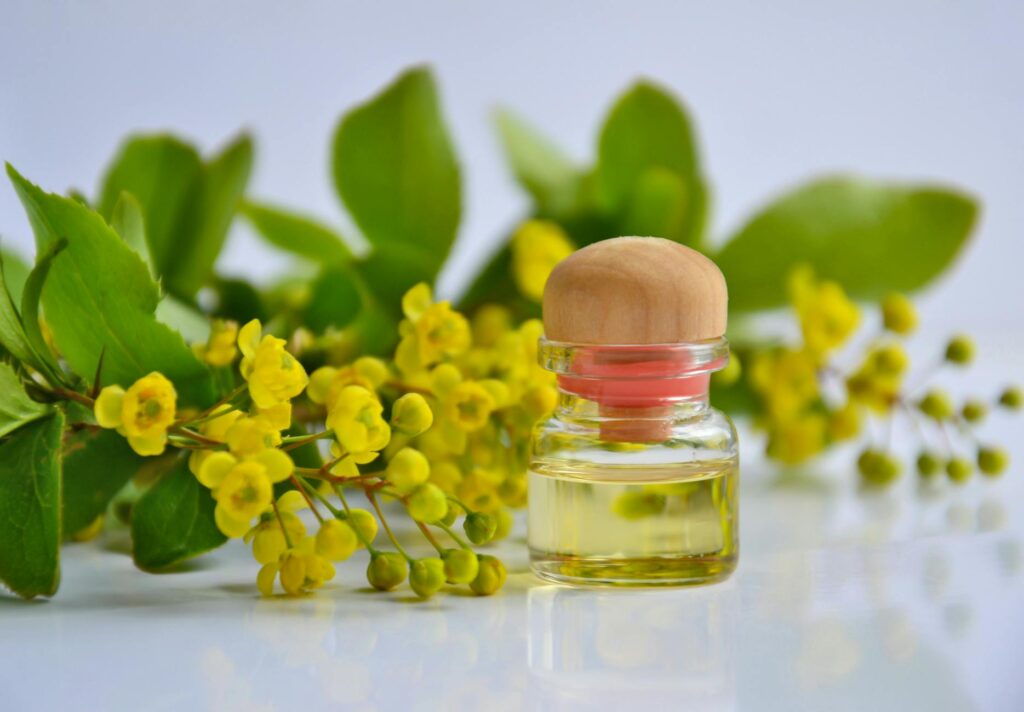
Benefits of Sage Oil
Introduction
Sage oil, derived from the leaves of the Salvia species—most commonly Salvia officinalis, or common sage—has long been celebrated for its culinary and medicinal properties. This essential oil, with its rich, herbaceous aroma, is a staple in aromatherapy and natural wellness practices. This article explores the characteristics, benefits, and applications of sage oil, providing a comprehensive overview for those interested in its use.
What Is Sage Oil?
Sage oil is an essential oil extracted from the leaves of the sage plant through steam distillation. The plant itself is a member of the mint family (Lamiaceae) and is native to the Mediterranean region. Known for its distinct earthy scent, sage oil possesses various chemical constituents, including 1,8-cineole, thujone, and camphor, which contribute to its unique properties and benefits.
Key Benefits and Properties
Sage oil is known for a variety of potential benefits, many of which stem from its rich composition of active compounds. Some of the most notable properties include:
1. Antimicrobial
Research indicates that sage oil possesses antimicrobial properties, making it effective against certain bacteria and fungi. This characteristic makes it a popular choice for natural cleaning products and personal care items.
2. Anti-inflammatory
The oil is believed to have anti-inflammatory effects, which can help soothe irritated skin or promote a sense of calm when used in aromatherapy.
3. Antioxidant
Sage oil contains compounds that exhibit antioxidant properties, which can help combat oxidative stress in the body. This is significant for overall wellness and may contribute to skin health.
4. Mood Enhancer
The aroma of sage oil is thought to have mood-lifting qualities. It may help reduce feelings of anxiety and promote mental clarity, making it a favored choice in aromatherapy practices.
5. Hormonal Balance
Sage oil has been traditionally used to support hormonal balance, particularly in women. It is believed to help alleviate symptoms associated with menstrual cycles and menopause.
Common Uses
Sage oil has a variety of applications in both personal care and household products:
1. Aromatherapy
Inhalation of sage oil can promote relaxation and mental clarity. It is commonly used in diffusers, massage oils, and bath products.
2. Skin Care
Due to its antimicrobial and anti-inflammatory properties, sage oil is often included in skincare formulations. It may help with acne, oily skin, and minor skin irritations.
3. Household Cleaning
Sage oil can be added to homemade cleaning solutions for its antimicrobial properties, making it an effective natural disinfectant.
4. Culinary Uses
While less common as an essential oil, sage oil can be used sparingly in cooking to impart flavor. However, it is crucial to ensure that it is food-grade and used in appropriate amounts.
Aromatherapy Applications
In aromatherapy, sage oil can be utilized in various ways to harness its benefits:
1. Diffusion
Adding a few drops of sage oil to a diffuser can help create a calming atmosphere. The oil’s aromatic profile is believed to promote mental clarity and reduce stress.
2. Inhalation
For a quick mood boost, inhale the oil directly from the bottle or add a drop to a tissue or cotton ball. This method is often used for its invigorating effects.
3. Massage
Diluting sage oil in a carrier oil and using it for massage can provide both physical and mental relaxation. This combination can help ease tension and promote overall well-being.
4. Baths
Adding sage oil to a warm bath can create a soothing experience, promoting relaxation and providing potential skin benefits.
Safety Considerations
While sage oil has many beneficial properties, it is essential to use it safely:
1. Dilution
Sage oil should always be diluted with a carrier oil before topical application to avoid skin irritation. A general guideline is to use a 1% to 2% dilution for adult skin.
2. Allergies and Sensitivities
Individuals with known sensitivities to sage or related plants should perform a patch test before using sage oil more broadly.
3. Pregnancy and Nursing
Pregnant or nursing individuals should consult with a qualified healthcare professional before using sage oil, as certain compounds may not be suitable during these periods.
4. Children
Sage oil is generally not recommended for children under the age of two, and caution should be exercised when using it around older children.
5. Drug Interactions
Individuals taking medications should consult a healthcare provider before using sage oil, as it may interact with certain pharmaceuticals.
Storage and Shelf Life
To preserve the quality of sage oil, proper storage is crucial:
1. Storage Conditions
Store sage oil in a cool, dark place, away from direct sunlight and heat sources. A dark glass bottle is recommended to protect the oil from light degradation.
2. Expiration
Generally, essential oils have a shelf life of 1 to 3 years, depending on storage conditions and the specific oil. Sage oil should be checked for changes in scent, color, or consistency before use.
Frequently Asked Questions
1. Can sage oil be ingested?
While some essential oils are safe for ingestion, sage oil should only be consumed if it is labeled as food-grade and used under the guidance of a qualified professional.
2. Is sage oil safe for pets?
Some essential oils can be harmful to pets. It is advisable to consult with a veterinarian before using sage oil around animals.
3. How can I use sage oil for skin issues?
For skin applications, sage oil should always be diluted with a carrier oil. It may help with minor skin irritations, but a patch test is recommended to check for allergic reactions.
4. Can I use sage oil in cooking?
Sage oil can be used in cooking, but it should be food-grade and used sparingly. Fresh or dried sage is often favored for culinary purposes.
5. What is the difference between sage oil and common sage?
Sage oil is the concentrated essential oil extracted from the sage plant, while common sage refers to the herb used in cooking and traditional medicine.
Conclusion
Sage oil is a versatile essential oil with a range of benefits, from its antimicrobial and anti-inflammatory properties to its potential in promoting emotional well-being. Whether used in aromatherapy, personal care, or cleaning products, sage oil offers a natural alternative for those seeking holistic approaches to wellness. As with any essential oil, it is essential to use sage oil safely and responsibly, keeping in mind individual sensitivities and health considerations. By doing so, one can fully appreciate the benefits this remarkable oil has to offer.