
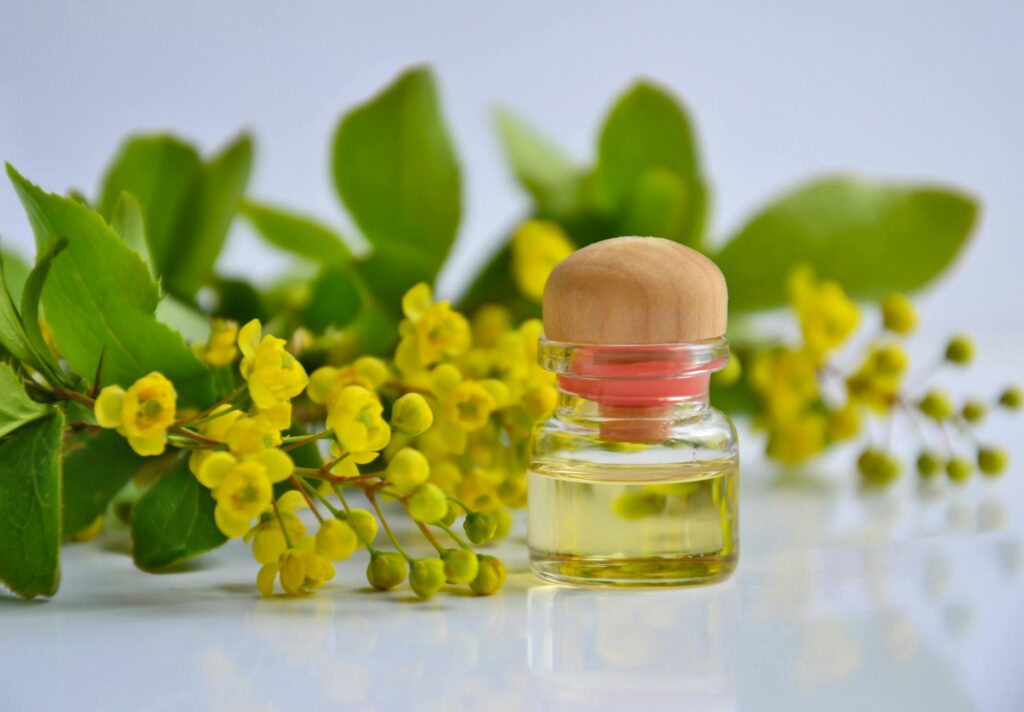
Benefits of Sandalwood Oil Safety
Introduction
Sandalwood oil, revered for its rich, warm aroma and diverse applications, has been utilized for centuries in various cultures. Extracted from the heartwood of the Santalum album tree, this essential oil has found its place in perfumery, cosmetics, and traditional healing practices. However, with its increasing popularity, understanding the safety considerations surrounding sandalwood oil is essential for both novice and experienced users. This article explores sandalwood oil safety, its benefits, common uses, and important guidelines for safe application.
What Is Sandalwood Oil Safety?
Sandalwood oil safety refers to the precautions and considerations necessary to ensure the safe use of this essential oil. While sandalwood oil is generally recognized as safe for many applications, individual reactions can vary. Factors such as purity, concentration, and method of use can influence the safety profile. As with any essential oil, it is crucial to understand potential risks and best practices to mitigate them, especially for sensitive individuals, pregnant women, and children.
Key Benefits and Properties
Sandalwood oil is known for its unique chemical composition, which contributes to its various benefits:
1. Antiseptic Properties: Sandalwood oil has natural antiseptic qualities, making it effective in cleansing minor cuts and abrasions.
2. Anti-inflammatory Effects: The oil is often praised for its capacity to reduce inflammation, which can help soothe skin irritations and promote healing.
3. Relaxation and Stress Relief: The calming scent of sandalwood is known for its ability to reduce anxiety and promote relaxation, making it a popular choice in aromatherapy.
4. Moisturizing: Sandalwood oil has emollient properties, which can help hydrate and nourish dry skin.
5. Antimicrobial Activity: The oil exhibits antimicrobial properties, which may help inhibit the growth of certain bacteria and fungi.
Common Uses
Sandalwood oil is versatile and can be used in various applications:
- Skin Care: Due to its hydrating and soothing properties, sandalwood oil is a common ingredient in facial oils, creams, and lotions. It is particularly beneficial for dry or sensitive skin.
- Perfume and Fragrance: The distinctive aroma of sandalwood makes it a popular base note in perfumes and scented products.
- Cultural and Religious Practices: Sandalwood has a long history of use in religious ceremonies, particularly in Hinduism and Buddhism, where it is used in incense and as an offering.
- Massage Therapy: The oil is often included in massage blends for its calming effects and skin-nourishing properties.
- Diffusion: Adding a few drops of sandalwood oil to a diffuser can create a serene and relaxing atmosphere, ideal for meditation or unwinding after a long day.
- Topical Application: When diluted with a carrier oil, sandalwood oil can be applied to pulse points or directly on the skin to promote relaxation and soothe irritations.
- Bathing: Adding sandalwood oil to bathwater can enhance relaxation and provide skin-nourishing benefits.
- Storage Conditions: Store sandalwood oil in a cool, dark place, away from direct sunlight and heat sources. This helps preserve its chemical properties and aroma.
- Container: Use dark glass containers to protect the oil from light degradation. Avoid plastic containers, as they can leach chemicals into the oil.
- Shelf Life: Sandalwood oil typically has a shelf life of 3 to 5 years if stored properly. However, always check for any changes in scent, color, or consistency before use.
Aromatherapy Applications
In aromatherapy, sandalwood oil is frequently used for its calming and grounding effects. Here are some common applications:
Safety Considerations
While sandalwood oil is generally regarded as safe, certain safety precautions should be observed:
1. Dilution: Always dilute sandalwood oil with a carrier oil before topical application. Recommended dilution ratios typically range from 1% to 5%, depending on individual sensitivity.
2. Patch Testing: Conduct a patch test before using sandalwood oil on larger areas of the skin. Apply a small amount of diluted oil to an inconspicuous area and wait 24 hours to check for any adverse reactions.
3. Pregnancy and Breastfeeding: Pregnant and breastfeeding individuals should consult a healthcare professional before using sandalwood oil due to the lack of extensive research on its safety during these periods.
4. Children: Sandalwood oil should be used with caution around children. Consult a healthcare provider for age-appropriate dilution ratios and application methods.
5. Allergies: Individuals with known allergies to sandalwood or related plants should avoid using sandalwood oil entirely.
Storage and Shelf Life
Proper storage is essential to maintain the quality and effectiveness of sandalwood oil:
Frequently Asked Questions
1. Is sandalwood oil safe for all skin types?
While sandalwood oil is generally safe for most skin types, individuals with sensitive skin or allergies should conduct patch tests and consult a healthcare provider if unsure.
2. Can sandalwood oil be ingested?
Sandalwood oil is primarily intended for topical and aromatic use. Ingesting essential oils can be dangerous and should only be done under the guidance of a qualified healthcare professional.
3. What should I do if I experience a reaction to sandalwood oil?
If you experience redness, itching, or irritation after using sandalwood oil, discontinue use immediately and wash the area with soap and water. If symptoms persist, seek medical advice.
4. Can sandalwood oil be used in a diffuser?
Yes, sandalwood oil can be safely used in a diffuser. It is recommended to follow the manufacturer’s guidelines regarding the amount of oil to use.
5. Is sandalwood oil suitable for children?
Sandalwood oil should be used cautiously around children. Always consult a healthcare provider for appropriate dilution guidelines and usage recommendations for children.
Conclusion
Sandalwood oil is a valuable essential oil with a rich history of use in various applications. Understanding its benefits, common uses, and safety considerations is crucial for maximizing its potential while minimizing risks. By adhering to proper usage guidelines, individuals can enjoy the myriad benefits of sandalwood oil safely and effectively. Whether used in aromatherapy, skin care, or cultural practices, sandalwood oil continues to be a cherished component of holistic wellness.