
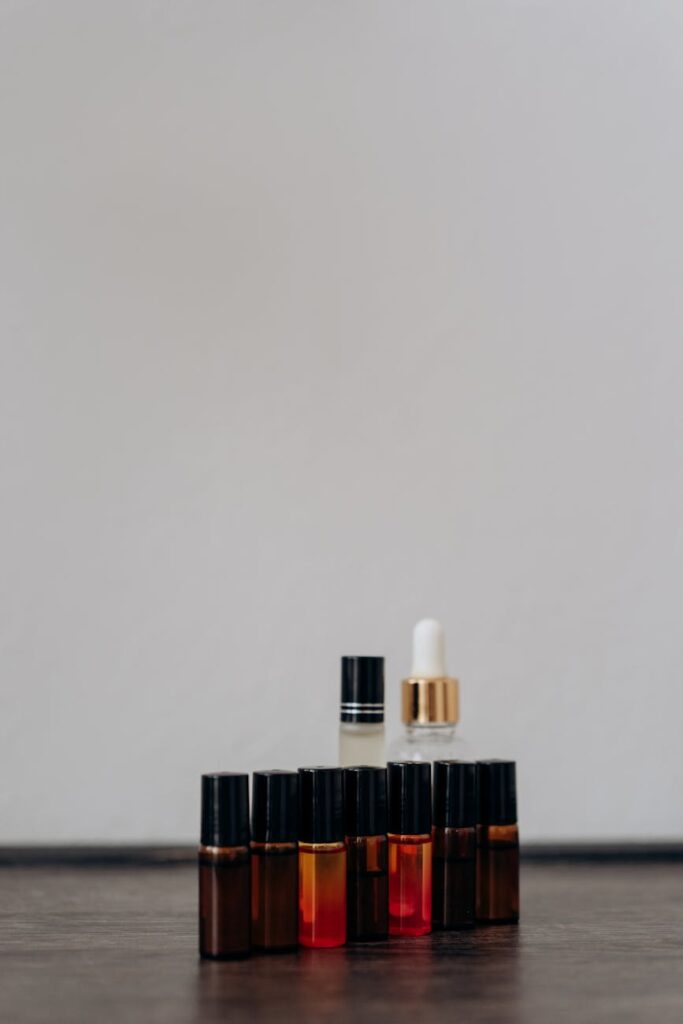
Benefits of Self-Care Blends
Introduction
In an increasingly fast-paced world, the importance of self-care has become more pronounced. Amidst the hustle and bustle, many individuals are turning to natural remedies to nurture their well-being. Among these remedies, essential oils have gained significant popularity, particularly in the form of self-care blends. This article delves into the concept of self-care blends, their benefits, applications, and how to safely incorporate them into daily routines.
What Is Self-Care Blends?
Self-care blends refer to specific combinations of essential oils formulated to promote relaxation, uplift mood, or provide emotional support. These blends typically consist of two or more essential oils, each selected for its unique properties and synergistic effects. The art of blending essential oils can be traced back to ancient cultures, where they were used for spiritual practices, health rituals, and personal care.
The selection of essential oils in a self-care blend is often tailored to individual needs, with an emphasis on the user’s emotional and physical state. Common oils used in these blends include lavender for its calming properties, bergamot for its uplifting effects, and chamomile for its comforting scent.
Key Benefits and Properties
Self-care blends offer a variety of benefits that can enhance emotional and physical well-being. Here are some of the key properties associated with essential oils commonly found in self-care blends:
1. Emotional Support: Essential oils like bergamot and ylang-ylang are known for their mood-enhancing properties, helping to alleviate feelings of stress and anxiety.
2. Relaxation: Oils such as lavender and frankincense are often used for their calming effects, making them ideal for promoting relaxation and restful sleep.
3. Focus and Clarity: Peppermint and rosemary are popular choices for enhancing concentration and mental clarity, making them beneficial during study or work sessions.
4. Comfort and Warmth: Oils like sandalwood and ginger can provide a sense of warmth and comfort, often used in blends designed to soothe emotional distress.
5. Mindfulness and Presence: Many self-care blends incorporate grounding oils like vetiver and cedarwood, which can help anchor the mind and promote a sense of presence.
Common Uses
Self-care blends can be utilized in a variety of ways, making them versatile tools for personal wellness. Here are some common applications:
1. Diffusion
Using an essential oil diffuser is one of the most popular methods for enjoying self-care blends. By dispersing the aroma into the air, individuals can create an inviting atmosphere that promotes relaxation or energy, depending on the chosen blend.
2. Topical Application
Self-care blends can be diluted with a carrier oil, such as jojoba or almond oil, and applied to the skin. This method allows for localized therapeutic benefits and is often used in massage or skincare routines.
3. Bathing
Adding self-care blends to a warm bath can create a soothing and immersive experience. The warm water helps to release the essential oils into the air, while the combined effects can enhance relaxation.
4. Inhalation
For a quick mood boost, inhaling the aroma directly from the bottle or a cotton ball can provide immediate benefits. This method is particularly useful during stressful moments.
5. Meditation and Mindfulness Practices
Incorporating self-care blends into meditation or mindfulness routines can enhance the overall experience. Oils that promote grounding and clarity can facilitate deeper states of relaxation and awareness.
Aromatherapy Applications
The practice of aromatherapy utilizes self-care blends to support emotional and physical wellness. Aromatherapy can be integrated into various aspects of daily life, including:
1. Home Environment: Using diffusers or candles with self-care blends can create a calming home environment, perfect for unwinding after a long day.
2. Workspaces: Incorporating uplifting blends in office spaces can enhance productivity and focus, helping to combat midday slumps.
3. Travel: Self-care blends can be a comforting companion during travel, whether through the use of portable inhalers or personal roll-ons to use during stressful moments.
4. Fitness: Certain blends can be applied before or after workouts to enhance focus or aid in recovery, depending on the oils used.
Safety Considerations
While essential oils are generally regarded as safe, there are important safety considerations to keep in mind when using self-care blends:
1. Dilution: Essential oils are highly concentrated, so it is crucial to dilute them with a carrier oil before topical application. A common dilution ratio is 2-5% essential oil to carrier oil.
2. Allergic Reactions: Always perform a patch test before applying a new blend to the skin. Discontinue use if irritation occurs.
3. Pregnancy and Nursing: Certain essential oils are contraindicated during pregnancy or while nursing. It’s advisable to consult with a qualified expert before use.
4. Children and Pets: Some essential oils can be harmful to children and pets. Research specific oils and their effects on different age groups and animals before use.
5. Quality of Oils: Ensure that you are using high-quality, pure essential oils from reputable sources. Synthetic or adulterated oils may not provide the intended benefits and could potentially cause adverse reactions.
Storage and Shelf Life
Proper storage is essential to maintaining the integrity and effectiveness of essential oils. Here are some guidelines for storage:
1. Cool, Dark Place: Store essential oils in a cool, dark place away from direct sunlight and heat sources. This helps prevent degradation of the oils.
2. Sealed Containers: Keep oils in tightly sealed containers to protect them from exposure to air, which can lead to oxidation.
3. Shelf Life: The shelf life of essential oils can vary widely depending on the type. Most oils have a shelf life of 1-3 years, while some oils, like citrus, may last shorter due to their volatile nature. Always check for changes in scent, color, or consistency before use.
Frequently Asked Questions
1. Can I create my own self-care blends at home?
Yes, creating your own self-care blends can be a rewarding experience. Start by researching essential oils that resonate with your emotional and physical needs, and experiment with different ratios to find a blend that suits you.
2. How long do the effects of a self-care blend last?
The duration of effects can vary based on the method of application (e.g., diffusion vs. topical application) and individual sensitivity. Generally, inhalation provides immediate but short-lived effects, while topical applications may offer prolonged benefits.
3. Are there any essential oils to avoid in self-care blends?
Certain oils are considered more potent or irritating and may require caution. Oils such as cinnamon, clove, and oregano should be used sparingly and always diluted. Research each oil’s properties before use.
4. Can I use self-care blends during pregnancy?
Some essential oils are contraindicated during pregnancy. It is advisable to consult with a qualified healthcare professional before using any essential oils in this context.
5. How do I know if a self-care blend is right for me?
Self-care is highly individual. It may take some experimentation to find the blends that resonate with your emotional and physical needs. Consider keeping a journal to track your experiences with different combinations.
Conclusion
Self-care blends represent a holistic approach to personal well-being, combining the benefits of essential oils with the practice of self-nurturing. By understanding the properties, applications, and safety considerations associated with these blends, individuals can enhance their emotional and physical health. Whether through diffusion, topical application, or mindfulness practices, self-care blends offer a natural and effective means of fostering well-being in today’s busy world.