
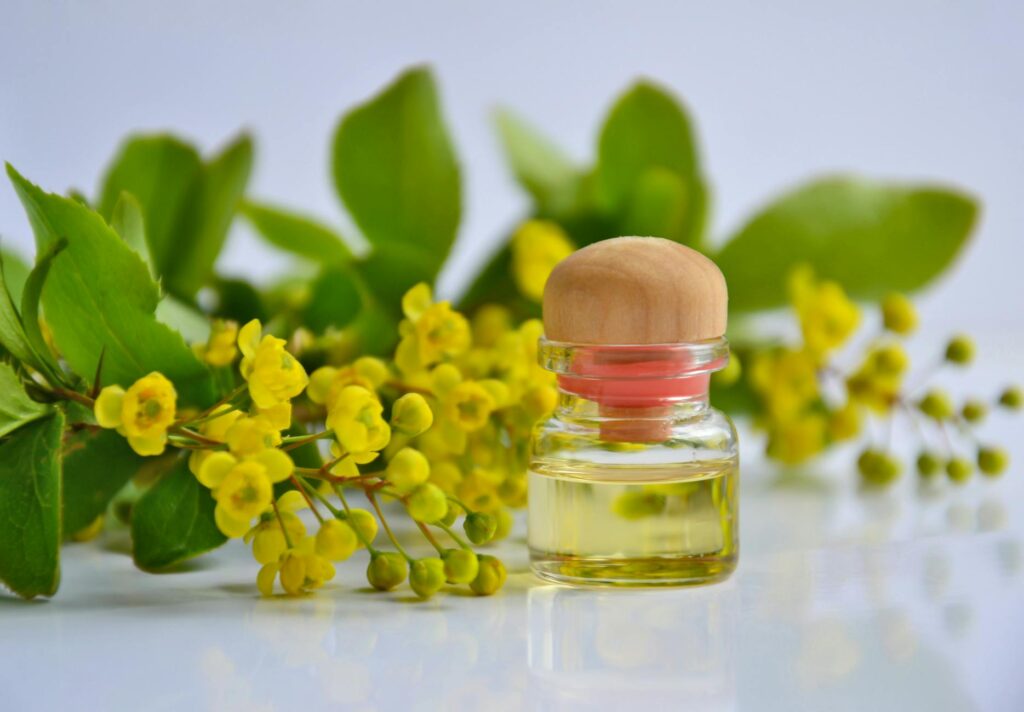
Benefits of St. John’s Wort Extract
Introduction
St. John’s Wort, scientifically known as Hypericum perforatum, is a flowering plant that has been used for centuries in traditional herbal medicine. Recognized for its bright yellow flowers and distinctively perforated leaves, this herb has gained popularity in modern herbalism, particularly for its extract. St. John’s Wort extract is often lauded for its potential benefits in promoting emotional well-being and overall health. This article explores the characteristics, benefits, applications, and safety considerations associated with St. John’s Wort extract, providing a comprehensive insight into this remarkable botanical.
What Is St. John’s Wort Extract?
St. John’s Wort extract is derived from the aerial parts of the St. John’s Wort plant, primarily its flowers and leaves. The extraction process involves solvent extraction, typically using alcohol or oil, to concentrate the plant’s active compounds. The most notable constituents of St. John’s Wort include hypericin, hyperforin, and various flavonoids, which contribute to its therapeutic properties. The extract is available in various forms, including tinctures, capsules, and oils, making it accessible for various applications.
Key Benefits and Properties
1. Mood Enhancement
One of the most well-known benefits of St. John’s Wort extract is its potential to support mood and emotional well-being. Research suggests that the active compounds, particularly hypericin and hyperforin, may influence neurotransmitters in the brain, including serotonin, dopamine, and norepinephrine. These neurotransmitters play a vital role in regulating mood, and an imbalance can contribute to feelings of sadness or irritability.
2. Antioxidant Properties
St. John’s Wort is recognized for its antioxidant properties. Antioxidants are compounds that help neutralize free radicals in the body, which can contribute to oxidative stress and various chronic diseases. By combating oxidative damage, St. John’s Wort may support overall cellular health and well-being.
3. Anti-Inflammatory Effects
The extract also exhibits anti-inflammatory properties, which may help alleviate mild discomfort associated with inflammation. This can be particularly beneficial for individuals seeking natural support for conditions characterized by inflammation.
4. Support for Skin Health
St. John’s Wort extract is often used in topical applications for its potential skin benefits. It may aid in soothing minor skin irritations and promoting skin healing. Some formulations incorporate St. John’s Wort extract in ointments and creams, particularly for issues like minor burns or abrasions.
5. Support for Digestive Health
Traditionally, St. John’s Wort has been used to support digestive health. Its mild astringent properties may help soothe the gastrointestinal tract. While more research is needed in this area, it has been employed in herbal medicine for digestive discomfort.
Common Uses
St. John’s Wort extract is utilized in various forms, each suited to different preferences and needs. The most common applications include:
- Tinctures: Liquid extracts made by steeping the plant in alcohol. Tinctures are highly concentrated and often taken in small doses.
- Capsules: A convenient option for those who prefer a standardized dosage. Capsules may contain powdered extract or concentrated forms of the herb.
- Oils: St. John’s Wort oil is often used for topical applications and may be infused with carrier oils. It is popular in formulations for skin care.
- Teas: Dried flowers can be brewed into herbal teas, offering a gentle way to enjoy the benefits of the herb.
- Drug Interactions: St. John’s Wort is known to interact with various medications, including antidepressants, anticoagulants, and birth control pills. It may speed up the metabolism of these drugs, potentially reducing their effectiveness.
- Photosensitivity: Hypericin, one of the active compounds, can increase sensitivity to sunlight, leading to a higher risk of sunburn in some individuals. Caution is advised when spending extended periods outdoors after using topical formulations.
- Side Effects: While generally well-tolerated, some individuals may experience side effects such as gastrointestinal discomfort, fatigue, or allergic reactions. It is advisable to discontinue use if adverse reactions occur.
- Pregnancy and Breastfeeding: Due to limited research on its safety during pregnancy and breastfeeding, it is recommended to consult a healthcare professional before use.
- Cool, Dark Place: Store the extract in a cool, dark place, away from direct sunlight and heat. This helps preserve its active compounds.
- Tightly Sealed Containers: Ensure that containers are tightly sealed to prevent exposure to air and moisture, which can degrade the extract over time.
- Shelf Life: The shelf life of St. John’s Wort extract can vary depending on the form and storage conditions. Generally, tinctures can last for several years, while oils may have a shorter shelf life, typically around one to two years.
Aromatherapy Applications
While St. John’s Wort is not as commonly used in aromatherapy as some other essential oils, it can still play a role in holistic practices. The extract can be incorporated into blends for emotional support and relaxation. It is often used in combination with other essential oils to enhance its therapeutic effects.
Blending with Essential Oils
St. John’s Wort oil can be combined with essential oils such as lavender, chamomile, or bergamot to create soothing blends. These combinations can be used in diffusers, massage oils, or bath products, promoting a calming atmosphere and supporting emotional balance.
Topical Applications
For those interested in the topical benefits of St. John’s Wort, it can be blended with carrier oils like jojoba or coconut oil for massage or skin care. This combination can enhance the soothing effects and may be particularly beneficial for minor skin irritations.
Safety Considerations
While St. John’s Wort extract is widely regarded as safe for many individuals, it is essential to consider potential interactions and side effects. Some key safety considerations include:
Storage and Shelf Life
To maintain the potency and quality of St. John’s Wort extract, proper storage is essential. Here are some guidelines:
Frequently Asked Questions
1. Can I take St. John’s Wort extract with other supplements?
It is essential to consult with a healthcare professional before combining St. John’s Wort extract with other supplements, as it may interact with various substances.
2. How long does it take to experience the benefits of St. John’s Wort extract?
The time it takes to experience benefits can vary among individuals. Some may notice improvements within a few weeks, while others may require longer periods of consistent use.
3. Is St. John’s Wort extract safe for everyone?
While many people can use St. John’s Wort extract safely, it is not suitable for everyone. Individuals on certain medications, pregnant or breastfeeding women, and those with specific health conditions should consult a healthcare professional before use.
4. How should I choose a St. John’s Wort extract?
Look for high-quality extracts from reputable sources. Check for standardized extracts that specify the concentration of active compounds, ensuring consistency in potency.
5. Can I use St. John’s Wort extract topically?
Yes, St. John’s Wort extract can be used topically. It is often incorporated into creams or oils for skin health but should be tested on a small area first to check for any allergic reactions.
Conclusion
St. John’s Wort extract is a versatile botanical renowned for its potential benefits, particularly in supporting emotional well-being and promoting skin health. As with any herbal supplement, it is essential to approach its use with informed caution, considering individual health circumstances and consulting professionals as needed. By understanding its properties, applications, and safety considerations, individuals can make educated choices about incorporating St. John’s Wort extract into their wellness routines.