
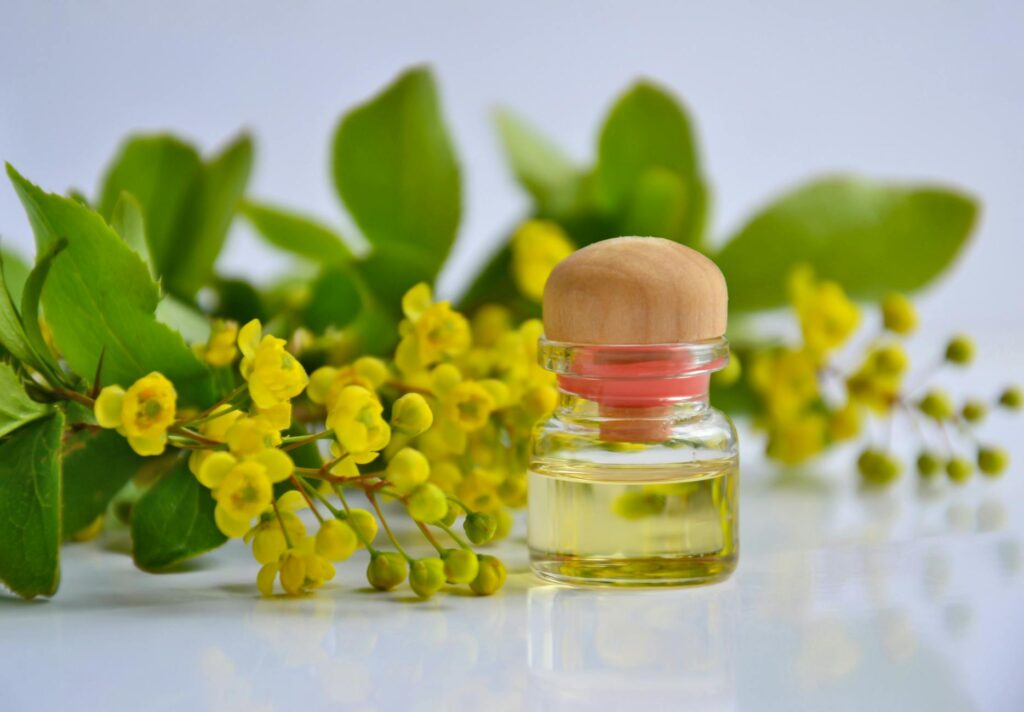
Benefits of Sweet Orange Oil
Introduction
Sweet orange oil, derived from the peels of the Citrus sinensis fruit, is a cherished essential oil in the world of aromatherapy and holistic wellness. With its uplifting scent and a plethora of beneficial properties, sweet orange oil has gained popularity among practitioners and enthusiasts alike. This article explores the origins, properties, uses, and safety considerations of sweet orange oil, offering a comprehensive understanding of its benefits.
What Is Sweet Orange Oil?
Sweet orange oil is extracted through cold-pressing the rind of the sweet orange fruit. This method preserves the oil’s natural compounds, resulting in a bright, citrusy aroma that is both refreshing and invigorating. The oil is characterized by its pale yellow to orange color and is often used in various applications, from household cleaning products to personal care items.
The sweet orange tree, native to Southeast Asia, has been cultivated for centuries and is one of the most widely grown fruit trees in the world. The essential oil is not only valued for its fragrance but also for its potential therapeutic benefits.
Key Benefits and Properties
1. Mood Enhancement
The uplifting scent of sweet orange oil is often associated with mood enhancement. Its sweet, citrus aroma is believed to help alleviate feelings of stress and anxiety, promoting a sense of happiness and relaxation. Studies have suggested that citrus scents can stimulate the brain’s limbic system, which is responsible for emotional regulation.
2. Antimicrobial Properties
Sweet orange oil possesses natural antimicrobial properties, making it a popular choice for household cleaning products. Its ability to combat certain bacteria and fungi can help maintain a clean and hygienic environment.
3. Anti-inflammatory Effects
Some research suggests that sweet orange oil may have anti-inflammatory properties, which could be beneficial in soothing skin irritations and reducing inflammation when used in topical applications.
4. Digestive Support
Aromatherapy with sweet orange oil may support digestive health by promoting relaxation and reducing stress, which can contribute to digestive issues. While not a substitute for medical treatment, its calming properties may aid in digestive comfort.
5. Skin Benefits
Sweet orange oil is often included in skincare formulations for its potential to brighten the complexion and reduce the appearance of blemishes. Its astringent qualities may help to tighten and tone the skin.
Common Uses
Sweet orange oil is versatile and can be used in various applications:
1. Aromatherapy Diffusion
Using a diffuser, sweet orange oil can fill a space with its uplifting scent, creating a positive atmosphere ideal for relaxation or social gatherings.
2. Massage Oil
When diluted with a carrier oil, sweet orange oil can be used in massage therapy to promote relaxation and enhance the overall experience.
3. Household Cleaning
Due to its antimicrobial properties, sweet orange oil is often added to homemade cleaning solutions. It can help eliminate odors and provide a fresh scent to cleaning products.
4. Personal Care Products
Sweet orange oil is commonly found in lotions, shampoos, and other personal care items, where it imparts its delightful fragrance and potential skin benefits.
5. Flavoring Agent
In culinary applications, sweet orange oil can be used as a flavoring agent in various recipes, adding a natural citrus note to dishes and desserts.
Aromatherapy Applications
In aromatherapy, sweet orange oil is primarily used for its mood-enhancing properties. Here are some common methods of application:
1. Diffusion
Add a few drops of sweet orange oil to a diffuser with water to disperse the aroma throughout a room. This method is particularly effective for creating a cheerful atmosphere.
2. Inhalation
Inhaling the scent directly from the bottle or by placing a few drops on a cotton ball can provide immediate mood support and stress relief.
3. Topical Application
When diluted with a carrier oil, such as coconut or jojoba oil, sweet orange oil can be applied to pulse points or massaged into the skin for its potential skin benefits and relaxation effects.
4. Bathing
Adding a few drops of sweet orange oil to a warm bath can create a soothing and aromatic experience, enhancing relaxation and mood elevation.
Safety Considerations
While sweet orange oil is generally considered safe for most individuals, there are some important safety considerations to keep in mind:
1. Skin Sensitivity
As with any essential oil, conducting a patch test before widespread topical application is advisable. Diluting the oil with a carrier oil can help minimize the risk of skin irritation.
2. Phototoxicity
Sweet orange oil is phototoxic, meaning it can cause skin reactions when exposed to sunlight or UV light after application. It is recommended to avoid sun exposure for at least 12 hours after applying the oil to the skin.
3. Pregnancy and Nursing
While sweet orange oil is often considered safe, pregnant or nursing individuals should consult a healthcare professional before use.
4. Children and Pets
When using sweet orange oil around children or pets, it is essential to exercise caution. Some essential oils can be irritating or harmful to animals, so it is best to consult with a veterinarian.
Storage and Shelf Life
Proper storage is crucial to maintaining the quality of sweet orange oil. Here are some guidelines:
1. Storage Conditions
Store sweet orange oil in a cool, dark place, away from direct sunlight and heat sources. This will help preserve its aroma and therapeutic properties.
2. Container
Keep the oil in a tightly sealed, dark glass container to protect it from light and air exposure, which can degrade its quality over time.
3. Shelf Life
Typically, sweet orange oil has a shelf life of about 1 to 2 years when stored properly. Always check for any changes in scent or consistency before use, as these may indicate that the oil has gone rancid.
Frequently Asked Questions
1. Can sweet orange oil be ingested?
While some essential oils are safe for culinary use, sweet orange oil should only be ingested if it is specifically labeled as food-grade. It is always best to consult a healthcare professional before consuming any essential oil.
2. Is sweet orange oil safe for children?
Sweet orange oil can be used around children, but it should be heavily diluted and used with caution. Always consult a pediatrician for guidance on safe usage.
3. Can I use sweet orange oil in my skincare routine?
While sweet orange oil can be beneficial for the skin, it should always be diluted with a carrier oil before applying it to the skin. A patch test is recommended to check for any adverse reactions.
4. What are the best ways to use sweet orange oil for stress relief?
Diffusion, inhalation, and topical application (when diluted) are effective methods for using sweet orange oil to promote relaxation and alleviate stress. Experimenting with different methods may help you find the most effective approach for your needs.
Conclusion
Sweet orange oil is a versatile essential oil with a wide range of benefits and applications. Its uplifting aroma, antimicrobial properties, and potential skin benefits make it a valuable addition to any essential oil collection. While enjoying its many uses, it is essential to exercise caution and adhere to safety guidelines to ensure a safe and enjoyable experience. Whether used in aromatherapy, cleaning products, or personal care routines, sweet orange oil can bring a touch of sunshine into everyday life.