
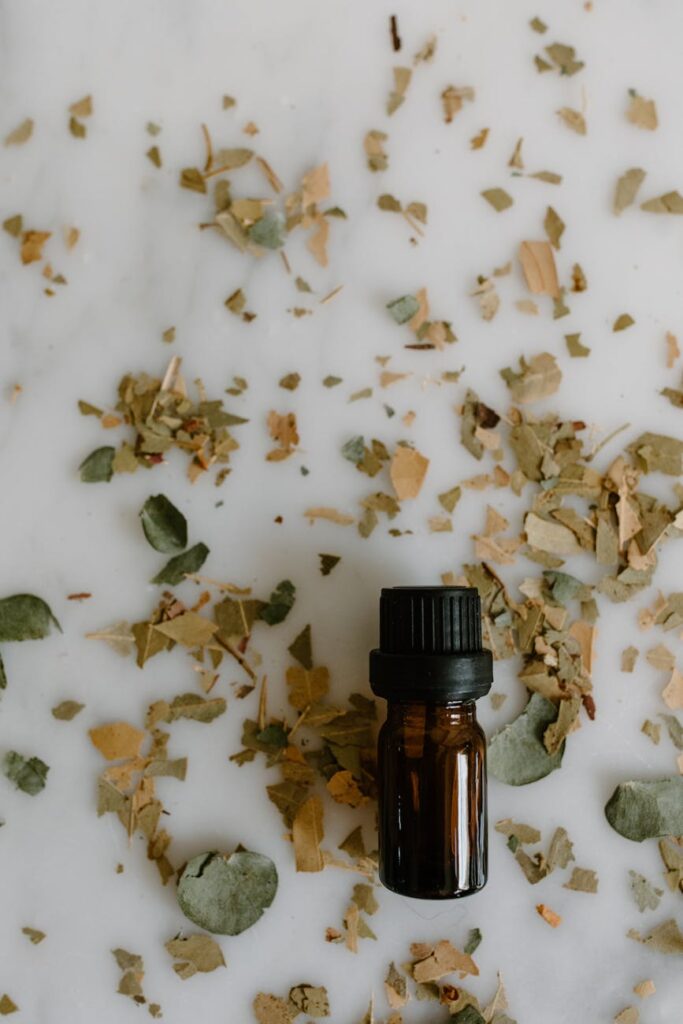
Benefits of Tamanu Oil
Introduction
Tamanu oil, derived from the nuts of the Tamanu tree (Calophyllum inophyllum), has been celebrated for centuries in various cultures, particularly in tropical regions. Known for its rich composition and versatile applications, this oil has gained popularity in both the beauty and wellness industries. This article delves into the origins, benefits, and applications of tamanu oil, providing a comprehensive overview for those interested in natural remedies and skincare.
What Is Tamanu Oil?
Tamanu oil is extracted from the nuts of the Tamanu tree, which is native to tropical regions of the Pacific Islands, Southeast Asia, and parts of Africa. The oil is obtained through a cold-pressing process that preserves its essential properties. Tamanu trees thrive in coastal environments and are often found growing near beaches, where they benefit from the salty air and rich soil.
The oil has a rich, greenish-brown hue and a distinctive, nutty aroma. It is often used as a carrier oil in aromatherapy and skincare formulations due to its emollient and moisturizing properties.
Key Benefits and Properties
Tamanu oil is renowned for its diverse range of benefits, which can be attributed to its unique chemical composition. Some of the key properties include:
1. Moisturizing
Tamanu oil is an excellent emollient, making it an effective moisturizer for dry skin. It helps to create a barrier on the skin, preventing moisture loss and promoting hydration.
2. Anti-inflammatory
The oil contains calophyllolide, a compound known for its anti-inflammatory properties. This may help soothe irritated skin and reduce redness.
3. Antioxidant
Tamanu oil is rich in antioxidants, which protect the skin from oxidative stress and free radical damage. These compounds can contribute to healthier, more resilient skin over time.
4. Antimicrobial
Preliminary studies suggest that tamanu oil may possess antimicrobial properties, which can help inhibit the growth of certain bacteria and fungi. This makes it a valuable ingredient in natural skincare formulations.
5. Wound Healing
Historically, tamanu oil has been used to promote the healing of minor wounds, cuts, and abrasions. Its ability to stimulate new tissue growth may be beneficial in this regard.
Common Uses
Tamanu oil is celebrated for its versatility and can be used in a variety of ways:
1. Skincare
Due to its moisturizing and healing properties, tamanu oil is often used in creams, lotions, and serums. It can help improve the appearance of scars, stretch marks, and uneven skin tone.
2. Haircare
Tamanu oil can be applied to the hair and scalp to provide moisture and nourishment. It may help combat dryness, frizz, and promote overall hair health.
3. Massage
As a carrier oil, tamanu oil is frequently included in massage blends. Its soothing properties can enhance the massage experience, providing hydration to the skin.
4. Essential Oil Blends
Tamanu oil can be blended with various essential oils to create personalized skincare or aromatherapy products. Its rich texture makes it an ideal base for essential oil applications.
Aromatherapy Applications
In aromatherapy, tamanu oil is commonly used as a carrier oil due to its nourishing properties. It can dilute essential oils, making them safe for topical application. Some popular essential oil blends that incorporate tamanu oil include:
1. Relaxation Blends
Combining tamanu oil with calming essential oils such as lavender or chamomile can create a soothing blend for relaxation and stress relief.
2. Skin Repair Blends
Mixing tamanu oil with oils like tea tree or frankincense may enhance its skin-repairing qualities, making it suitable for blemished or damaged skin.
3. Hair Nourishing Blends
When blended with oils like rosemary or peppermint, tamanu oil can create a stimulating hair treatment that nourishes the scalp and promotes healthy hair growth.
Safety Considerations
While tamanu oil is generally considered safe for topical use, it is essential to conduct a patch test before incorporating it into your routine, especially for those with sensitive skin or allergies. Here are some safety tips:
1. Patch Test
Apply a small amount of tamanu oil to a discreet area of skin and wait 24 hours to check for any adverse reactions.
2. Avoiding Sensitive Areas
Take care to avoid sensitive areas such as the eyes and mucous membranes when applying tamanu oil.
3. Consulting a Professional
If you are pregnant, nursing, or have a pre-existing medical condition, consult a healthcare professional before using tamanu oil or any new skincare products.
Storage and Shelf Life
To maintain the quality and efficacy of tamanu oil, proper storage is important:
1. Cool, Dark Place
Store tamanu oil in a cool, dark place away from direct sunlight. This helps to preserve its properties and extend its shelf life.
2. Airtight Container
Keep tamanu oil in an airtight container to prevent oxidation. This is particularly important if you purchase it in bulk.
3. Shelf Life
When stored correctly, tamanu oil can last for up to one to two years. However, always check for any changes in smell, color, or consistency before use.
Frequently Asked Questions
1. Can tamanu oil be used on all skin types?
Tamanu oil is generally suitable for most skin types, including dry, normal, and combination skin. However, individuals with oily or acne-prone skin should perform a patch test first.
2. Is tamanu oil safe for use on the face?
Yes, tamanu oil is often used on the face due to its nourishing and healing properties. It may help with issues such as dryness and uneven skin tone.
3. Can tamanu oil be ingested?
Tamanu oil is primarily intended for external use. Ingesting tamanu oil is not recommended, and any internal use should be discussed with a healthcare professional.
4. How does tamanu oil compare to other carrier oils?
Tamanu oil is unique due to its specific composition of fatty acids and beneficial compounds. While other carrier oils like jojoba or coconut oil also provide benefits, tamanu oil may be more effective for particular skin concerns, such as scar healing and inflammation.
5. Can tamanu oil help with acne?
Tamanu oil may be beneficial for some individuals dealing with acne due to its anti-inflammatory and antimicrobial properties. However, results can vary, and it is advisable to consult a skincare professional for personalized advice.
Conclusion
Tamanu oil stands out as a versatile and beneficial oil in the realm of skincare and aromatherapy. With its rich history, impressive properties, and wide range of applications, it continues to be a favored choice for those seeking natural solutions for their skin and hair care needs. As with any natural product, individual experiences may vary, so it is essential to approach its use with informed caution and respect for its potent qualities.