
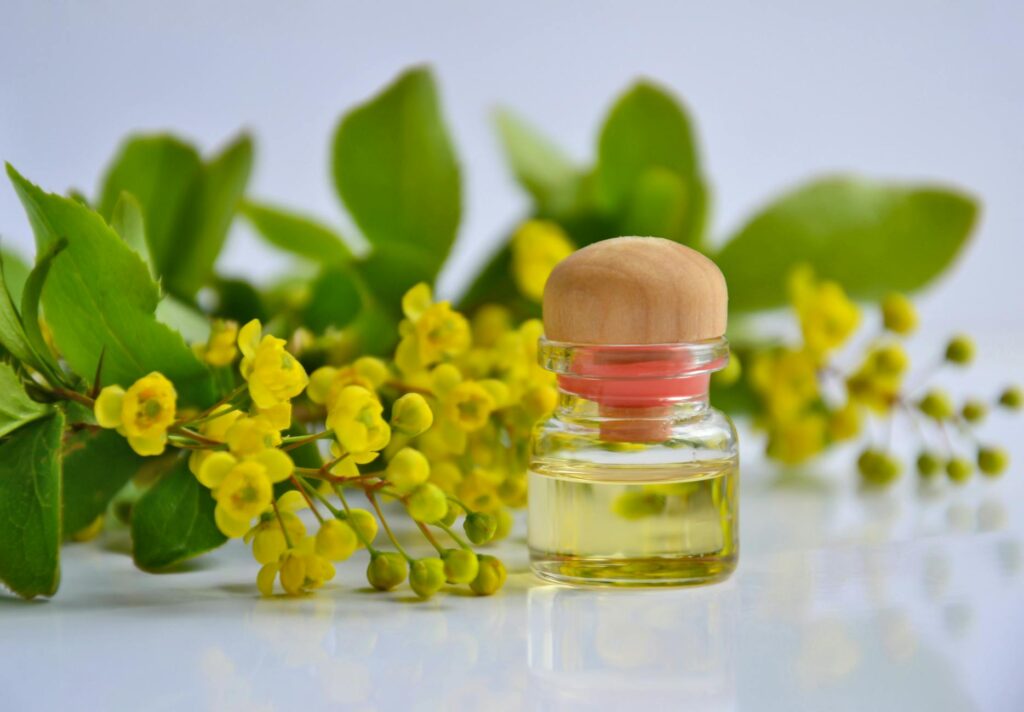
Benefits of Thyme Oil Safety
Introduction
Thyme oil, derived from the leaves and flowers of the Thymus vulgaris plant, has gained recognition for its diverse applications in aromatherapy, skincare, and culinary arts. As with any essential oil, understanding its properties, benefits, and safety considerations is crucial for anyone looking to incorporate thyme oil into their daily routine. This article delves into the safety aspects of thyme oil, exploring its benefits, common uses, and essential precautions to ensure a secure and effective experience.
What Is Thyme Oil Safety?
Thyme oil safety encompasses a range of practices and knowledge concerning the proper use, application, and storage of thyme essential oil. Essential oils, including thyme oil, are concentrated plant extracts that possess potent phytochemical properties. While they offer numerous benefits, their concentrated nature requires a thoughtful approach to usage. Safety guidelines help prevent adverse effects that may arise from improper application, dosage, or storage.
Key Benefits and Properties
Thyme oil is renowned for its rich composition of active compounds, each contributing to its therapeutic properties. Some of the primary constituents include:
- Thymol: A powerful antimicrobial agent that can help inhibit the growth of various bacteria and fungi.
- Carvacrol: Known for its antioxidant and anti-inflammatory properties, carvacrol is often studied for its potential health benefits.
- Linalool: A compound that imparts a pleasant scent and is associated with calming effects.
- Aromatherapy: Used in diffusers or during massages to promote relaxation and uplift mood.
- Cleaning Products: Its antimicrobial properties make it a valuable ingredient in natural cleaning formulations.
- Culinary Applications: In its diluted form, thyme oil can enhance flavors in dishes, though it should be used sparingly.
- Personal Care: Incorporated into lotions and creams for its skin-soothing properties.
- Diffusion: Adding a few drops to a diffuser can create a calming atmosphere, aiding relaxation and mental clarity.
- Inhalation: Direct inhalation from the bottle or a tissue can provide immediate effects, especially when dealing with respiratory discomfort.
- Topical Application: When diluted with a carrier oil, thyme oil can be massaged into the skin to target specific areas of concern, such as muscle tension or inflammation.
- Dilution: Always dilute thyme oil with a carrier oil before applying it to the skin. A common dilution ratio is 1-2 drops of thyme oil per teaspoon of carrier oil.
- Patch Test: Conduct a patch test prior to widespread use. Apply a small amount of diluted thyme oil on a discreet area of skin and monitor for any signs of irritation or allergic reaction.
- Pregnancy and Nursing: Pregnant or nursing individuals should consult a healthcare provider before using thyme oil, as the effects on fetal development and lactation are not well-studied.
- Children and Pets: Use caution when using thyme oil around children and pets. Always consult a professional for guidance on safe usage.
- Pre-existing Conditions: Individuals with specific health conditions, such as epilepsy or allergies to thyme, should avoid using thyme oil without professional guidance.
- Cool, Dark Place: Store thyme oil in a cool, dark place away from direct sunlight, heat sources, and humidity. This helps preserve its chemical integrity.
- Tightly Sealed Containers: Ensure the bottle is tightly sealed to prevent oxidation, which can degrade the oil’s quality.
- Shelf Life: Generally, thyme oil has a shelf life of 2-3 years when stored correctly. However, always check for changes in aroma, color, or viscosity before use.
Notable Benefits
1. Antimicrobial Properties: Thyme oil has been shown to possess strong antibacterial and antifungal qualities, making it a popular choice for natural cleaning solutions.
2. Respiratory Support: The oil is often used in steam inhalation to help ease respiratory discomfort due to colds or allergies.
3. Mood Enhancement: Thyme oil’s aromatic profile is believed to have uplifting effects on mood, promoting relaxation and reducing stress.
4. Antioxidant Effects: The presence of antioxidants in thyme oil helps combat oxidative stress, which is associated with various chronic conditions.
5. Skin Health: When diluted properly, thyme oil is sometimes used in skincare for its potential to soothe inflammation and promote a clear complexion.
Common Uses
Thyme oil’s versatility allows for a wide range of applications. Some common uses include:
Aromatherapy Applications
In the realm of aromatherapy, thyme oil can be used in various methods, including:
Safety Considerations
While thyme oil offers numerous benefits, it is essential to adhere to safety guidelines to prevent adverse reactions. Here are some key safety considerations:
Storage and Shelf Life
Proper storage is crucial to maintaining the potency and efficacy of thyme oil. Here are some tips for optimal storage:
Frequently Asked Questions
1. Can thyme oil be ingested?
Ingesting essential oils is a controversial topic, and thyme oil should only be consumed with professional guidance. It is crucial to ensure that the oil is food-grade and to adhere to recommended dosages.
2. Is thyme oil safe for pregnant women?
Pregnant women should consult a healthcare provider before using thyme oil, as safety during pregnancy is not well-established.
3. Can thyme oil be used on sensitive skin?
While thyme oil can be beneficial for skin health, it should always be diluted and tested on a small patch of skin first to check for any adverse reactions, especially for those with sensitive skin.
4. How can I use thyme oil for cleaning?
Thyme oil can be added to homemade cleaning solutions due to its antimicrobial properties. A mixture of water, vinegar, and a few drops of thyme oil can be effective for disinfecting surfaces.
5. Is thyme oil effective against mold?
Thyme oil, particularly due to its thymol content, is known for its antifungal properties. Adding thyme oil to cleaning solutions may help deter mold growth, but it should not be relied upon as the sole treatment for severe mold issues.
Conclusion
Thyme oil, with its rich array of benefits, offers an intriguing addition to the world of aromatherapy and natural wellness. Understanding thyme oil safety is paramount to harnessing its full potential while minimizing risks. By adhering to guidelines for dilution, application, and storage, users can enjoy the numerous advantages of thyme oil in a safe and effective manner. Whether used for its aromatic qualities, cleaning properties, or skin benefits, thyme oil can be a valuable ally in holistic health practices when approached with care and caution.