
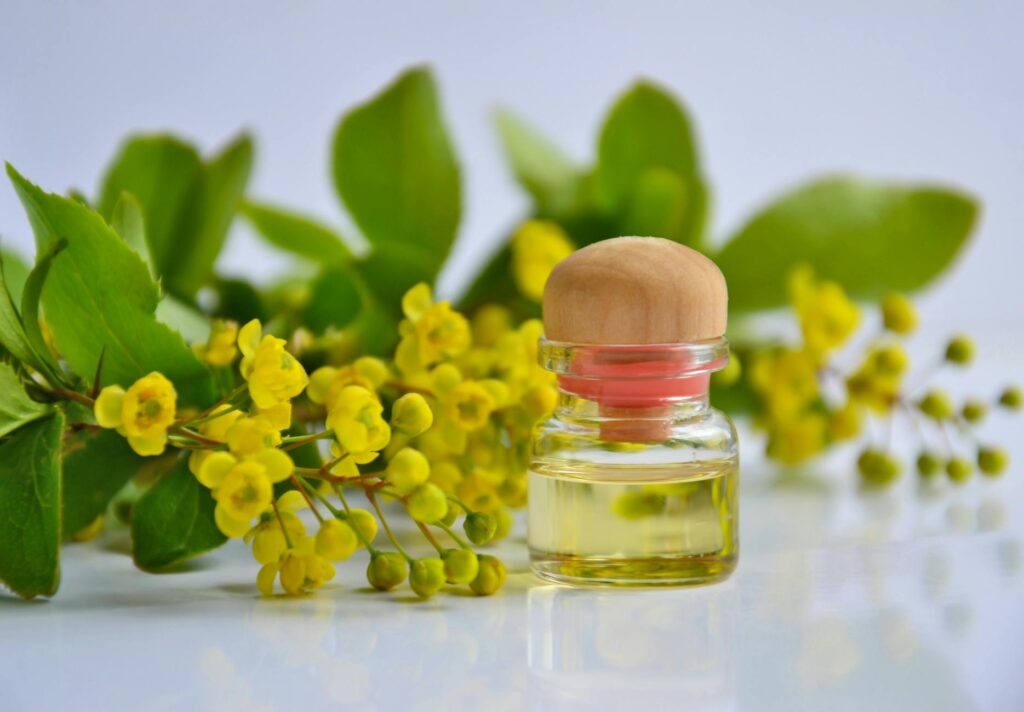
Benefits of Thyme Oil
Introduction
Thyme oil, derived from the leaves of the Thyme plant (Thymus vulgaris), has been cherished for centuries, not only as a culinary herb but also for its myriad therapeutic properties. Known for its robust aroma and versatile applications, thyme oil is a staple in both traditional and contemporary aromatherapy practices. This article delves into the origins, benefits, and uses of thyme oil, providing a comprehensive overview for those interested in its potential contributions to wellness and home care.
What Is Thyme Oil?
Thyme oil is an essential oil extracted from the leaves and flowering tops of the Thyme plant, a member of the mint family. The extraction process typically involves steam distillation, which captures the plant’s natural compounds while maintaining its aromatic qualities. Thyme oil is characterized by its warm, herbaceous scent, often described as earthy and slightly spicy.
The primary chemical constituents of thyme oil include thymol, carvacrol, and linalool, each contributing to its distinct aroma and potential benefits. Thymol, in particular, is associated with the oil’s antimicrobial properties, making it a subject of interest in both research and practical applications.
Key Benefits and Properties
Thyme oil is celebrated for its diverse range of properties, which include:
1. Antimicrobial: Thyme oil exhibits strong antibacterial and antifungal effects, attributed mainly to its high thymol content. This makes it a popular choice for natural cleaning products and personal care items.
2. Antioxidant: The oil contains antioxidants that help combat oxidative stress in the body, potentially promoting overall health by neutralizing free radicals.
3. Anti-inflammatory: Thyme oil may possess anti-inflammatory properties, which can contribute to its effectiveness in soothing minor skin irritations and promoting skin health.
4. Expectorant: Thyme oil is often used for its expectorant properties, which may help in relieving respiratory issues by promoting the expulsion of mucus.
5. Digestive Aid: Traditionally, thyme has been used to support digestive health. Thyme oil may contribute to improved digestion and relief from occasional digestive discomfort.
Common Uses
Thyme oil finds application in various domains, including:
- Aromatherapy: Used in diffusers or inhalation blends to create a calming environment.
- Massage: Often diluted with a carrier oil for use in therapeutic massages.
- Household Cleaning: Incorporated into DIY cleaning products for its antimicrobial properties.
- Personal Care Products: Found in shampoos, soaps, and lotions for its fragrance and potential benefits.
- Container: Store thyme oil in a dark glass bottle to protect it from light degradation.
- Temperature: Keep it in a cool, dry place away from direct sunlight and heat sources.
- Shelf Life: Generally, thyme oil has a shelf life of about 2 to 3 years when stored properly. However, always check for any changes in color, scent, or consistency before use.
Aromatherapy Applications
In the realm of aromatherapy, thyme oil is valued for its ability to promote emotional balance and clarity. Here are some common applications:
1. Diffusion: When diffused, thyme oil can fill a space with its warm aroma, creating a comforting ambiance. It is often combined with other oils like lavender or eucalyptus to enhance its effects.
2. Inhalation: Direct inhalation of thyme oil can be beneficial for respiratory support. Adding a few drops to a bowl of hot water and inhaling the steam is a common practice.
3. Massage Blends: Thyme oil can be blended with carrier oils, such as sweet almond or jojoba, for use in massages. This can help alleviate tension and promote relaxation.
4. Baths: Adding thyme oil to bathwater can create a soothing experience, promoting relaxation and a sense of well-being.
Safety Considerations
While thyme oil is generally considered safe when used as directed, certain precautions should be observed:
1. Skin Sensitivity: Always conduct a patch test before using thyme oil topically, as it may cause irritation in some individuals. Diluting the oil with a carrier oil can help minimize any potential reactions.
2. Pregnancy and Nursing: Pregnant or nursing individuals should consult a healthcare professional before using essential oils, including thyme oil.
3. Children: Thyme oil should be used with caution around children. It is advisable to seek guidance from a qualified aromatherapist or healthcare provider.
4. Interactions: Thyme oil may interact with certain medications. Individuals taking medications or with health conditions should consult a healthcare professional prior to use.
Storage and Shelf Life
To maintain the potency and aroma of thyme oil, proper storage is essential:
Frequently Asked Questions
1. Can thyme oil be ingested?
While some essential oils are safe for internal use, thyme oil is typically not recommended for ingestion without the guidance of a qualified health professional.
2. How can I incorporate thyme oil into my daily routine?
Thyme oil can be incorporated into your routine through diffusion, topical application (diluted), or by adding it to cleaning products or personal care items.
3. Is thyme oil safe for pets?
Essential oils can affect animals differently than humans. It is best to consult a veterinarian before using thyme oil or any essential oil around pets.
4. What other oils pair well with thyme oil?
Thyme oil blends well with other essential oils such as lavender, eucalyptus, rosemary, and citrus oils, creating harmonious and beneficial combinations.
5. Are there different types of thyme oil?
Yes, there are various types of thyme oil, including Thymus vulgaris (common thyme) and Thymus zygis (Spanish thyme). Each type may have slightly different properties and scents.
Conclusion
Thyme oil is a multifaceted essential oil with a rich history of use in culinary, medicinal, and aromatic applications. Its potent antimicrobial, antioxidant, and anti-inflammatory properties make it a valuable addition to various wellness practices. As with any essential oil, it is important to use thyme oil responsibly and be mindful of individual sensitivities. By understanding its benefits and applications, individuals can harness the power of thyme oil to enhance their daily lives and promote a sense of well-being.