
Benefits of Vetiver Oil Safety
Introduction
Vetiver oil, derived from the roots of the Vetiveria zizanoides plant, has been celebrated for centuries in various cultures for its aromatic and therapeutic properties. Known for its earthy, grounding scent, this essential oil is a staple in aromatherapy, perfumery, and traditional medicine practices. However, understanding the safety aspects of vetiver oil is crucial for its effective and responsible use. This article explores the concept of vetiver oil safety, its benefits, applications, and important safety considerations.
What Is Vetiver Oil Safety?
Vetiver oil safety refers to the guidelines and precautions that should be followed to ensure the safe use of this essential oil. Essential oils are highly concentrated extracts, and while they offer numerous benefits, they can also pose risks if not used correctly. Safety considerations encompass proper dilution, potential skin sensitivities, and storage practices to maintain the oil’s integrity.
Key Benefits and Properties
Vetiver oil is renowned for its diverse range of properties, which contribute to its popularity in various applications. Some of the key benefits include:
- Calming Effects: Vetiver oil is often used for its calming and grounding effects, making it suitable for stress relief and emotional balance.
- Antimicrobial Properties: Research indicates that vetiver oil possesses antimicrobial properties, which may help in certain applications, particularly in skincare.
- Anti-inflammatory Effects: The oil is known to have anti-inflammatory benefits that may assist in soothing irritated skin or reducing redness.
- Skin Nourishment: Vetiver oil can be beneficial for skin health, promoting a healthy complexion and aiding in the healing of minor wounds or scars.
- Insect Repellent: The earthy scent of vetiver oil is also known to deter certain insects, making it a natural choice for repellent formulations.
- Aromatherapy: Widely used in diffusers, vetiver oil is popular for creating a calming atmosphere in homes, yoga studios, and wellness spaces.
- Skincare: It is incorporated into creams, lotions, and serums for its skin-nourishing benefits.
- Perfumes: The rich, earthy scent of vetiver oil makes it a favorite base note in many fragrances.
- Massage Oils: Due to its relaxing properties, vetiver oil is often blended into massage oils to enhance the experience.
- Stress Relief: When diffused, vetiver oil can help alleviate feelings of anxiety and promote relaxation.
- Sleep Aid: Its calming aroma makes it a popular choice for those seeking to improve sleep quality. Adding a few drops to a diffuser before bedtime can create a tranquil environment.
- Meditation Enhancement: Vetiver oil is often used during meditation practices to enhance focus and grounding, helping individuals connect with their inner selves.
- Mood Stabilization: Inhaling vetiver oil can help stabilize emotions, making it beneficial for those who experience mood swings or emotional distress.
- Dilution: Essential oils should always be diluted before topical application. A typical guideline is to use a carrier oil (such as jojoba or coconut oil) to dilute essential oils to a concentration of 1-5%, depending on the intended use.
- Skin Sensitivity: Conduct a patch test before using vetiver oil on larger skin areas. Apply a diluted drop on a small area of skin and observe for any reactions over 24 hours.
- Pregnancy and Nursing: Pregnant and nursing individuals should consult a healthcare professional before using vetiver oil, as some essential oils can have effects that may not be safe during these times.
- Allergies: Individuals with known allergies to vetiver or other plants in the grass family should avoid using vetiver oil.
- Children: Essential oils should be used with caution around children. It is advisable to consult a pediatrician before using vetiver oil on or around young children.
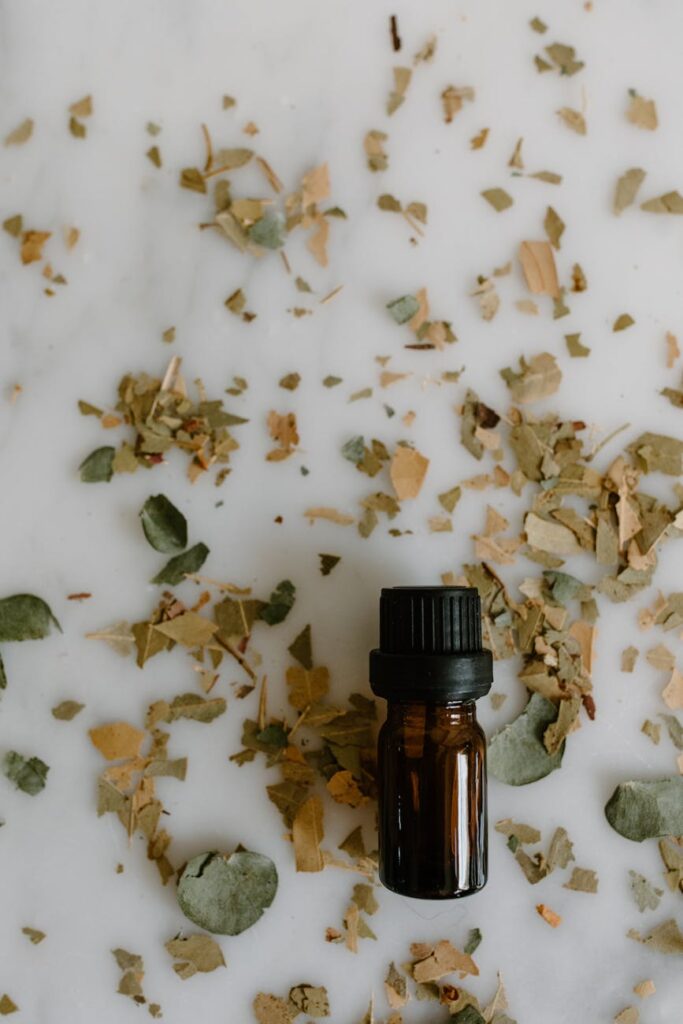
- Dark Glass Bottles: Store vetiver oil in dark glass bottles to protect it from light exposure, which can degrade the oil’s quality.
- Cool, Dry Place: Keep the bottle in a cool, dry place away from direct sunlight and heat sources to prolong its shelf life.
- Shelf Life: When stored correctly, vetiver oil can last for several years. However, it is advisable to check for any changes in aroma or consistency before use.
Common Uses
Due to its unique properties, vetiver oil finds various applications across different domains, including:
Aromatherapy Applications
In aromatherapy, vetiver oil is primarily used for its grounding and stabilizing effects on the mind and body. Here are some common applications:
Safety Considerations
While vetiver oil is generally safe for most individuals when used appropriately, there are important safety considerations to keep in mind:
Storage and Shelf Life
Proper storage is essential to maintain the quality and efficacy of vetiver oil. Here are some tips:
Frequently Asked Questions
1. Can vetiver oil be used in cooking or food products?
Vetiver oil is primarily used for therapeutic and aromatic purposes and is not generally recommended for culinary use. Always ensure that any essential oil used for ingestion is labeled as food-grade and consult a knowledgeable source.
2. Is vetiver oil safe for pets?
While vetiver oil is not toxic to pets, it is essential to use caution. Some essential oils can be harmful to animals, especially cats and certain dog breeds. It is best to consult a veterinarian before using vetiver oil around pets.
3. How can I incorporate vetiver oil into my skincare routine?
Vetiver oil can be added to your skincare routine by mixing it with a carrier oil (like almond or jojoba oil) and applying it to the skin. It can also be blended into creams or lotions. Always conduct a patch test first to check for skin sensitivity.
4. What are the differences between vetiver oil and other essential oils?
Vetiver oil has a unique earthy and woody aroma that distinguishes it from other essential oils. Its properties include strong grounding effects, which may not be present in other oils. Each essential oil has its own unique benefits and scent profiles, making them suitable for different applications.
5. Can I use vetiver oil in a diffuser?
Yes, vetiver oil can be effectively used in a diffuser to create a calming atmosphere. It can also be blended with other essential oils such as lavender or bergamot for added benefits.
Conclusion
Vetiver oil offers a multitude of benefits and applications, making it a cherished essential oil in the realms of aromatherapy, skincare, and natural wellness. However, understanding and adhering to safety guidelines is crucial for its effective use. With proper precautions, vetiver oil can be a valuable addition to your holistic lifestyle and self-care routines. Always remember to consult with knowledgeable sources or professionals when incorporating essential oils into your practices.