
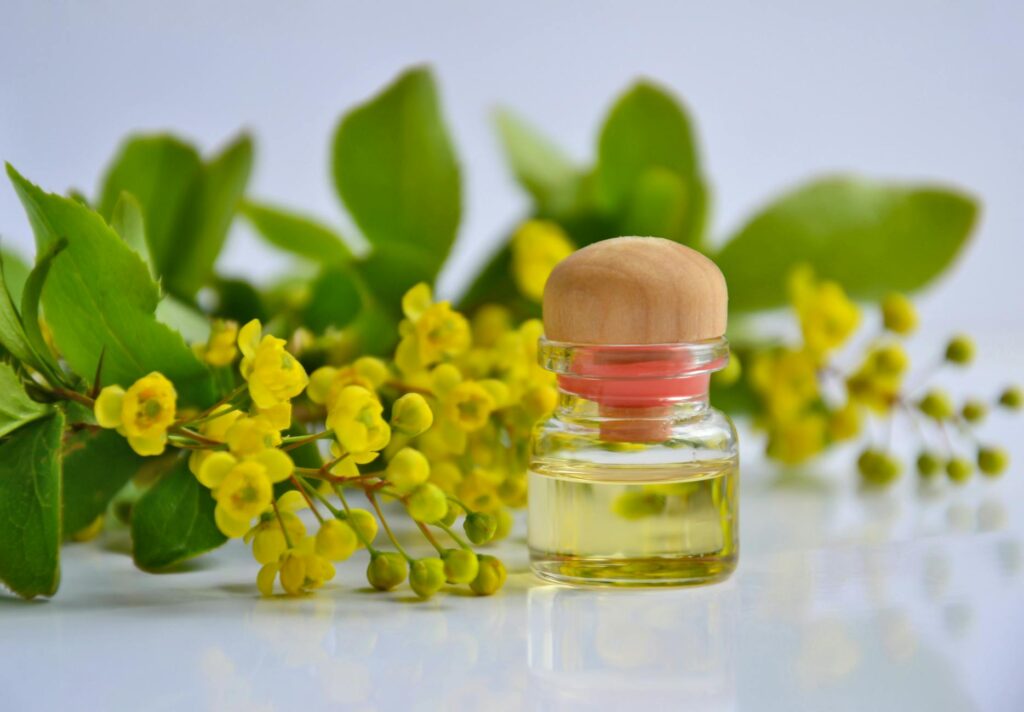
Benefits of Walnut Oil
Introduction
Walnut oil, derived from the seeds of the walnut tree (Juglans regia), has been valued for centuries for its culinary uses, nutritional profile, and therapeutic properties. With a rich history rooted in various cultures, walnut oil has gained popularity not only in kitchens but also in the realms of skincare and aromatherapy. This article delves into the nature of walnut oil, its benefits, applications, and safety considerations, providing a comprehensive overview for those interested in its multifaceted uses.
What Is Walnut Oil?
Walnut oil is obtained through the cold-pressing of walnuts, a method that preserves the oil’s delicate flavor and nutritional content. This oil can be classified into two main types: refined and unrefined. Unrefined walnut oil retains a more robust flavor and higher nutritional value, making it suitable for dressings and drizzling over dishes. Refined walnut oil, on the other hand, has a lighter flavor and higher smoke point, making it more appropriate for cooking at higher temperatures.
Rich in essential fatty acids, antioxidants, and vitamins, walnut oil has garnered attention for both its culinary and therapeutic applications. Its flavor profile is often described as nutty, warm, and slightly sweet, enhancing a wide variety of dishes.
Key Benefits and Properties
Nutritional Profile
Walnut oil is a rich source of omega-3 fatty acids, particularly alpha-linolenic acid (ALA), which plays a crucial role in heart health and overall wellness. The oil also contains omega-6 fatty acids, vitamin E, and phytosterols, which contribute to its antioxidant properties.
Antioxidant Properties
The presence of antioxidants in walnut oil, including vitamin E and polyphenols, helps neutralize free radicals in the body. This antioxidant action can help reduce oxidative stress and inflammation, potentially benefiting overall health.
Skin Benefits
Walnut oil is often used in skincare formulations due to its moisturizing properties. It can support skin health by providing essential fatty acids that help maintain the skin’s barrier function, leading to improved hydration and elasticity. Additionally, its anti-inflammatory and antibacterial properties may contribute to skin healing.
Common Uses
Culinary Applications
In the culinary world, walnut oil is prized for its distinctive flavor. It is commonly used in salad dressings, marinades, and dips, as well as drizzled over roasted vegetables or pasta. Walnut oil can also be used in baking, where its unique flavor can enhance cakes, muffins, and cookies.
Skincare and Beauty Products
Due to its moisturizing and nourishing properties, walnut oil is often found in various skincare products, such as creams, lotions, and serums. Its emollient nature helps soothe dry or irritated skin, making it suitable for topical applications.
Hair Care
Walnut oil can also be beneficial for hair health. Its rich composition can help nourish the scalp, promote hair growth, and impart shine to hair. Some formulations include walnut oil as a key ingredient in conditioners and hair masks.
Aromatherapy Applications
While walnut oil is not as commonly associated with aromatherapy as other essential oils, it can still be used as a carrier oil for diluting essential oils before topical application. Its mild nutty aroma can complement a variety of essential oils, providing a soothing and grounding effect.
Blending with Essential Oils
When used as a carrier oil, walnut oil can dilute stronger essential oils, making them safe for topical application. It blends well with oils such as lavender, rosemary, and cedarwood, creating aromatic blends that can support relaxation and emotional well-being.
Massage
Incorporating walnut oil into massage therapies can enhance the experience due to its smooth texture and nourishing properties. The oil glides easily over the skin, making it suitable for various massage techniques.
Safety Considerations
While walnut oil is generally regarded as safe for culinary and topical use, there are some important considerations to keep in mind:
- Allergies: Individuals with nut allergies should avoid walnut oil, as it can trigger allergic reactions.
- Patch Test: It is advisable to perform a patch test before using walnut oil topically, particularly for those with sensitive skin.
- Consultation: If unsure about using walnut oil in a skincare routine or diet, it’s best to consult with a healthcare professional or skin specialist.
- Cool and Dark Place: Store walnut oil in a cool, dark place, away from direct sunlight and heat, to prolong its shelf life.
- Sealed Container: Always keep the oil in a tightly sealed container to minimize exposure to air, which can lead to oxidation.
- Refrigeration: For extended shelf life, consider refrigerating walnut oil, particularly if it is unrefined. This can help maintain its flavor and nutritional properties.
Storage and Shelf Life
Proper storage of walnut oil is essential to maintain its quality and prevent rancidity. Here are some tips for storage:
The shelf life of walnut oil can vary depending on its refinement and storage conditions, but unrefined walnut oil typically lasts around 6 to 12 months, while refined walnut oil can last up to 18 months.
Frequently Asked Questions
Is walnut oil suitable for cooking?
Yes, walnut oil is suitable for cooking, especially for low to medium heat applications. Refined walnut oil has a higher smoke point and is better suited for frying or sautéing, while unrefined walnut oil is best used in dressings and drizzles.
Can walnut oil be used on the skin?
Absolutely. Walnut oil is often used in skincare for its moisturizing and nourishing properties. It can be applied directly to the skin or used as a carrier oil for essential oils.
How does walnut oil benefit hair?
Walnut oil can nourish the scalp and hair, promoting hydration and shine. It is often included in hair care products for its beneficial properties.
Are there any side effects of walnut oil?
While walnut oil is generally safe, individuals with nut allergies should avoid it. Additionally, performing a patch test is recommended for those with sensitive skin.
How should walnut oil be stored?
Walnut oil should be stored in a cool, dark place, preferably in a tightly sealed container. Refrigeration can help prolong its shelf life, especially for unrefined varieties.
Conclusion
Walnut oil is a versatile and beneficial oil that finds applications in culinary, skincare, and aromatherapy realms. With its rich nutritional profile and numerous therapeutic properties, walnut oil is a valuable addition to both diets and personal care routines. By understanding its benefits, uses, and safety considerations, individuals can make informed choices about incorporating walnut oil into their lives. Whether drizzled over a salad, used in a skincare formulation, or blended in an aromatherapy session, walnut oil offers a wealth of advantages for those who seek natural and holistic options.