
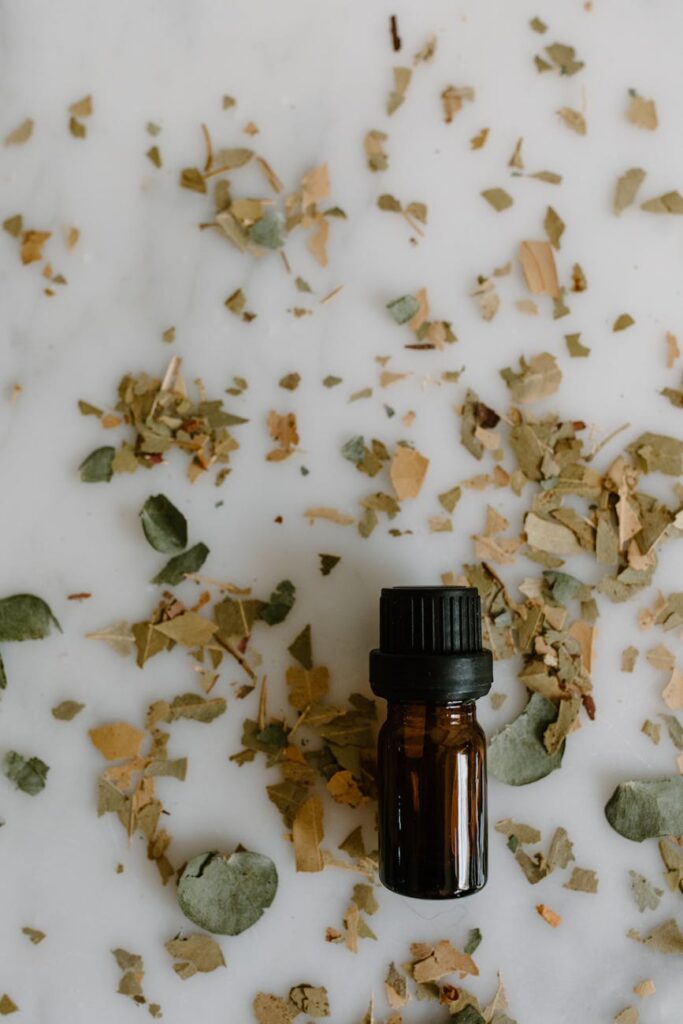
Benefits of Wintergreen Oil
Introduction
Wintergreen oil, derived from the leaves of the Gaultheria procumbens plant, has been utilized for centuries in traditional medicine and aromatherapy. With its refreshing and invigorating scent, this essential oil is celebrated not only for its aromatic properties but also for its diverse applications in various domains. Understanding the benefits and uses of wintergreen oil can enhance our appreciation for this unique botanical extract.
What Is Wintergreen Oil?
Wintergreen oil is an essential oil extracted primarily from the leaves of the wintergreen plant, a perennial herb native to North America. The extraction process typically involves steam distillation or solvent extraction, yielding a clear to pale yellow oil. The primary active compound in wintergreen oil is methyl salicylate, which is known for its distinctive minty aroma and numerous properties.
The plant itself is characterized by its glossy, dark green leaves, small white flowers, and red berries. It thrives in cool, moist environments, often found in wooded areas. Beyond its aromatic appeal, wintergreen has historical significance, having been used by Indigenous peoples for medicinal purposes.
Key Benefits and Properties
Wintergreen oil possesses several notable properties, making it a subject of interest for aromatherapy enthusiasts and natural product advocates. Some key benefits include:
1. Analgesic Properties: The presence of methyl salicylate is linked to its analgesic effects, which may help alleviate discomfort in muscles and joints. This property has made wintergreen oil a popular ingredient in topical pain relief products.
2. Anti-inflammatory Effects: Wintergreen oil is often noted for its potential anti-inflammatory properties. It may assist in reducing swelling and inflammation when applied to the skin in a diluted form.
3. Antimicrobial Activity: Some studies suggest that wintergreen oil exhibits antimicrobial properties, which can be beneficial in preventing infections in minor cuts and abrasions.
4. Respiratory Support: The invigorating scent of wintergreen oil may help in opening up the airways and promoting easier breathing, making it a common choice in respiratory blends.
5. Mood Enhancement: The fresh and uplifting aroma of wintergreen is often associated with mood enhancement and mental clarity, making it a suitable addition to aromatherapy practices.
Common Uses
Wintergreen oil is utilized in a variety of applications, including:
- Topical Analgesics: Due to its analgesic and anti-inflammatory properties, wintergreen oil is frequently found in muscle rubs and topical ointments designed to relieve tension and discomfort.
- Aromatherapy Blends: The oil’s refreshing scent is often incorporated into diffusers and personal inhalers to create an uplifting atmosphere and promote mental clarity.
- Cosmetic Products: Wintergreen oil may be included in certain cosmetic formulations, such as lotions and creams, for its pleasant scent and potential skin benefits.
- Household Cleaners: Its antimicrobial properties make wintergreen oil a suitable ingredient in natural cleaning products, contributing both to efficacy and fragrance.
- Dilution: Wintergreen oil should always be diluted with a carrier oil before topical application to minimize the risk of skin irritation. Typically, a dilution ratio of 1-3% is recommended.
- Skin Sensitivity: Conduct a patch test before using wintergreen oil on larger skin areas to ensure no adverse reactions occur.
- Inhalation: While inhalation of wintergreen oil is generally safe in small amounts, excessive inhalation can lead to respiratory irritation. Use it in moderation.
- Avoid During Pregnancy: Pregnant individuals should avoid using wintergreen oil due to its potential effects on the body.
- Keep Away from Children: Wintergreen oil should be stored out of reach of children and used with caution, as ingestion can lead to toxicity.
- Storage Conditions: Keep wintergreen oil in a cool, dark place, away from direct sunlight and heat sources. A dark glass container is preferred to protect it from light exposure.
- Shelf Life: When stored correctly, wintergreen oil can last for several years. However, it is advisable to check for any changes in scent, viscosity, or color before use, as these may indicate deterioration.
Aromatherapy Applications
In aromatherapy, wintergreen oil is often used for its invigorating and refreshing scent. Here are some common applications:
1. Diffusion: Adding a few drops of wintergreen oil to a diffuser can create an energizing environment, perfect for enhancing focus and concentration.
2. Inhalation: For a quick mood boost or respiratory support, inhaling the scent directly from the bottle or using a personal inhaler can be effective.
3. Massage Blends: When diluted with a carrier oil, wintergreen oil can be used in massage practices, particularly for targeting sore muscles and areas of tension.
4. Bath Products: Adding wintergreen oil to bath salts or oils can create a soothing and revitalizing bath experience, promoting relaxation and relief from muscle discomfort.
Safety Considerations
While wintergreen oil offers numerous benefits, it is essential to consider safety precautions when using it:
Storage and Shelf Life
To preserve the quality and efficacy of wintergreen oil, proper storage is crucial:
Frequently Asked Questions
1. Can wintergreen oil be ingested?
Wintergreen oil is not recommended for ingestion due to the potential for toxicity. It should only be used externally or in diffusers.
2. Is wintergreen oil safe for children?
Wintergreen oil should be avoided in children under the age of 2. For older children, it should be used with caution and under the guidance of a qualified professional.
3. What are some alternatives to wintergreen oil?
Alternatives to wintergreen oil include peppermint oil, eucalyptus oil, and ginger oil, each offering unique benefits and scents.
4. How can I add wintergreen oil to my skincare routine?
Wintergreen oil can be added to skincare routines by diluting it in a carrier oil or incorporating it into homemade lotions and creams, always ensuring to perform a patch test first.
5. Can wintergreen oil help with headaches?
While some individuals find relief from headaches using wintergreen oil in topical applications or aromatherapy, results can vary, and it is important to consult with a qualified practitioner for personalized recommendations.
Conclusion
Wintergreen oil is a versatile essential oil with a rich history and a wide range of applications. From its analgesic and anti-inflammatory properties to its uplifting aroma, it remains a popular choice among those interested in natural wellness practices. By understanding its benefits, uses, and safety considerations, individuals can incorporate wintergreen oil into their routines effectively and responsibly. Whether used in aromatherapy, topical applications, or household products, wintergreen oil continues to be a valuable addition to the world of essential oils.